London is extraordinary among world cities for the quality and quantity of its free experiences. The national museums are all free by government policy, the royal parks are public, and the Thames riverbank provides kilometres of free walking through one of history's great cities. Here are the best free things to do in London in 2026.
The Free National Museums
London's national museums are all permanently free thanks to a UK government policy adopted in 2001: the British Museum (8 million visitors annually, the world's largest general museum, housing the Rosetta Stone, Elgin Marbles, and the Sutton Hoo helmet), the National Gallery (one of the world's great art museums, over 2,300 works from Leonardo to Van Gogh), the Tate Modern (international contemporary art in the former Bankside Power Station), the Natural History Museum (77 million natural history specimens including the famous Blue Whale skeleton), the Science Museum (history of science and technology, free IMAX shows excluded), the Victoria and Albert Museum (world's largest decorative arts and design museum), the National Portrait Gallery, the National Maritime Museum (Greenwich), and the Wallace Collection (Old Masters in a 19th-century townhouse). Together these constitute an unrivalled free cultural resource that no other city in the world matches in aggregate quality.
Southbank and Tate Modern Riverbank Walk
The Thames Southbank from Westminster Bridge to Tower Bridge, approximately 3km, provides London's finest free urban walk: past the Royal Festival Hall (free to enter, free concerts in the foyer at lunchtimes), the National Theatre (free foyer exhibitions and performances), the BFI Southbank (free BFI Mediatheque and archive screenings), the Tate Modern (free permanent collection), the Globe Theatre (exterior and free grounds), the Clink Prison Museum (paid), and the Borough Market (free to browse, Monday-Sunday), culminating at Tower Bridge. The Southbank's street performers, book market under Waterloo Bridge, and skate park beneath the Queen Elizabeth Hall provide additional free entertainment along the route.
Royal Parks: Hyde Park and Regent's Park
London's eight Royal Parks are all free to enter at all times. Hyde Park (142 hectares, free) provides the Serpentine lake, the Serpentine Gallery (free), the Diana Memorial Fountain, and Speakers' Corner (the traditional free speech forum where anyone can speak publicly on any topic, Sunday mornings). Regent's Park (166 hectares, free) provides the Queen Mary's Rose Garden (free, most spectacular June-July), the boating lake, and the Open Air Theatre (paid performances). Greenwich Park (free) provides the best free elevated view of London from the Royal Observatory hill, with the Canary Wharf skyline and the Thames visible across the city.
Borough Market and Portobello Road
Borough Market near London Bridge (open Monday-Saturday, free to browse) is London's most celebrated food market and one of the oldest in Britain (documented since 1014). Walking through Borough Market is free; the market provides the finest overview of British and international artisan food products in the country with samples often available. Portobello Road Market in Notting Hill (free to browse, Saturday 9am-7pm is the main antiques market day) is London's most famous street market for antiques, vintage clothing, and collectibles in 2km of stalls through the Notting Hill streets.
Hampstead Heath and the City of London Walk
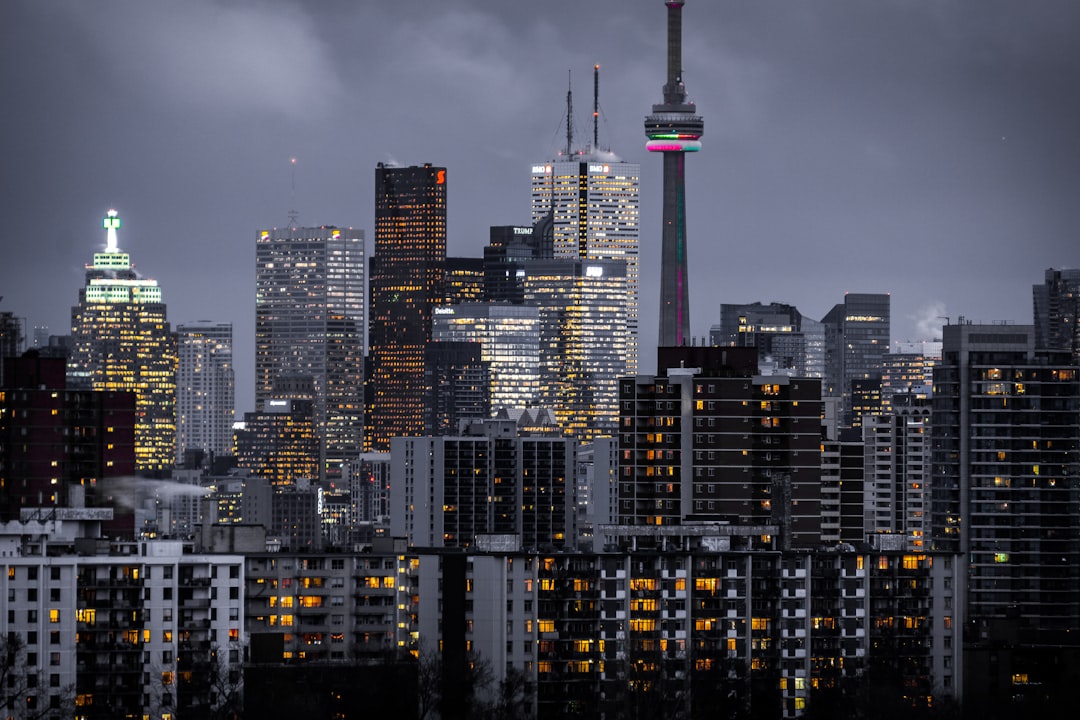
Hampstead Heath (320 hectares, free) in North London provides the finest hilltop free view of the London skyline from Parliament Hill (98m), with the City of London, the Shard, and the BT Tower visible across the basin of the Thames. The Heath's swimming ponds (small entry fee), woodland walks, and meadow landscapes provide a complete free half-day away from the urban fabric. The City of London free walk through the medieval street plan (within the ancient Roman walls) past Christopher Wren's 51 city churches (most free to enter) and the Bank of England's fortress exterior provides a concentrated free historical architecture tour.
Practical Tips
London's Contactless payment (bank card or phone) provides pay-as-you-go access to the Underground, bus, and DLR at the same rates as the Oyster card. The daily cap (approximately £7.70 for zones 1-2) provides significant savings over individual fares. The Elizabeth Line (Crossrail) connects Heathrow Airport to central London in 35 minutes (approximately £12.80). Free London's museums have timed entry booking recommended for peak times (particularly the British Museum and Natural History Museum on weekends and school holidays).
This article was compiled by AI and screened before publishing. See our editorial standards.