London is one of the world's most photographed cities and yet continues to reward photographers who look beyond the postcard clichés: for every Tower Bridge shot, there are a hundred quieter compositions in the city's parks, markets, galleries, and residential neighbourhoods that are equally compelling. Here are the best photography spots in London for 2026.
Tower Bridge: Blue Hour Reflection
Tower Bridge (1894), London's most iconic landmark (and frequently confused with London Bridge, the adjacent but visually unremarkable bridge), provides the city's finest blue-hour photography when photographed from the south bank of the Thames: the combination of the Victorian Gothic towers (illuminated in white-gold lighting after dark) and their reflection in the Thames, with the City of London's glass towers in the background, creates one of Europe's most powerful urban photography compositions. The best south-bank shooting positions are the More London Riverside promenade (directly downstream from the bridge) and the Queen's Walk between London Bridge and Tower Bridge. Blue hour (20-40 minutes after sunset) when the bridge is lit and the sky is deep blue provides the optimal Tower Bridge photograph. The bridge itself (the glass walkway at the top is open to ticket holders until 9:30pm in summer) provides a view over the Thames and the Shard to the west and east respectively.
Primrose Hill: London Skyline at Dusk
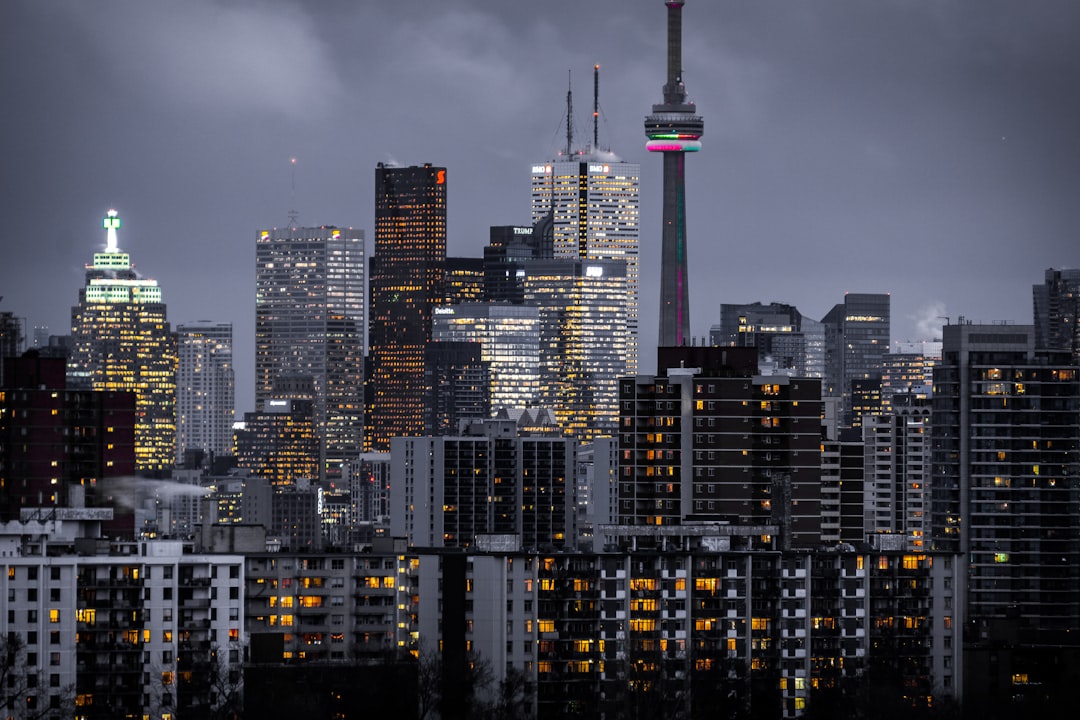
Primrose Hill (the 63-metre drumlin hill in Regent's Park, north London), provides London's finest panoramic skyline photograph: from the hill's summit, the Central London skyline extends across the south horizon, with the Shard (310m), the BT Tower, the Gherkin (Swiss Re Tower), the Walkie-Talkie (20 Fenchurch Street), Canary Wharf, and the BT Tower all visible simultaneously in a single wide-angle frame. The sunset from Primrose Hill (facing southwest and south from the summit) provides the most dramatic skyline photography, when the sun sets to the west behind the Chiltern hills and the sky above the London skyline transitions through the full orange-pink-blue spectrum. A 70-200mm telephoto lens compresses the skyline elements into a tighter composition; a 24-35mm captures the full width of the horizon.
Borough Market: Pre-Opening Produce Photography
Borough Market (London Bridge, the oldest food market in London, trading since at least the 13th century), particularly the pre-opening hour (the market opens to the public at 10am Monday-Saturday, but the wholesale produce deliveries occur from 7am), provides London's finest food and produce market photography: the vegetable, cheese, charcuterie, and speciality food stalls create a concentrated colour and texture photography environment under the Victorian railway arches of the market shed. The railway arch structure provides a classic cast-iron and brick framing element above the market stalls. Arriving at 9:30am (when stall holders are setting up but before the crowds) provides the most accessible shooting conditions.
Tate Modern: Turbine Hall and Thames View
The Tate Modern (Bankside, south bank, in the converted Bankside Power Station), particularly the Turbine Hall (the former boiler hall of the power station, 155 metres long and 35 metres high), provides London's finest contemporary art photography space: the Turbine Hall's annual commission (the large-scale temporary installation that occupies the full hall space each autumn-winter) is one of the world's most photographed contemporary art environments. The Tate Modern's Level 10 viewing gallery (Blavatnik Building, free access) provides the finest elevated Thames view in London: the full sweep from the Millennium Bridge to Tower Bridge, with St Paul's Cathedral dome rising above the north bank, is one of the definitive London panoramas.
Hampstead Heath: Dawn Mist Photography
Hampstead Heath (320 hectares, the highest natural point in London at Parliament Hill, 98 metres), particularly in the autumn and winter months when dawn mist fills the Heath's ponds and the valleys between the hills, provides London's finest natural landscape photography within the city: the Heath's ancient oaks, the morning mist, and the London skyline visible from Parliament Hill combine in a composition that is unique among the world's great capital cities. Parliament Hill (the southeastern corner of the Heath) provides the classic silhouette London skyline photograph over the mist-filled foreground of the Heath's meadows. Dawn photography (arriving before first light, approximately 30 minutes before sunrise) provides the most mist-rich conditions in autumn (September-November).
Practical Photography Tips
London's overcast northern-latitude light (51°N) actually benefits building and street photography by reducing harsh shadows in the narrow streets of the City and the historic neighbourhood lanes; the overcast diffused light is ideal for the Georgian and Victorian brick architecture that dominates London's residential areas. A weather-sealed camera is recommended for London's unpredictable rain. The Oyster Card provides unlimited Tube access to reach all photography locations efficiently. Blue hour in London in summer extends until 10:30pm (British Summer Time), providing extraordinary extended photography windows in June and July.
This article was compiled by AI and screened before publishing. See our editorial standards.