News
Best Time to Visit London: Complete Weather Guide
Discover the best time to visit London with our definitive weather guide. Learn seasonal patterns, what to pack, and when conditions are ideal for exploring.
4 min read
Updated 1 h ago
News
Discover the best time to visit London with our definitive weather guide. Learn seasonal patterns, what to pack, and when conditions are ideal for exploring.
4 min read
Updated 1 h ago
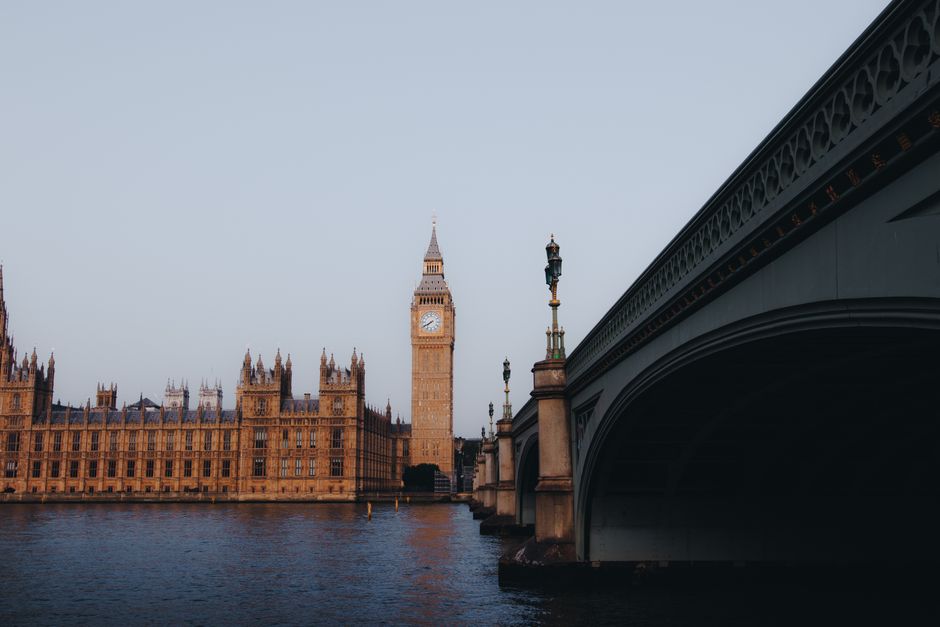
Finding the best time to visit London requires understanding the city's distinct seasonal weather patterns. This comprehensive guide covers current conditions, weekly forecasts, and seasonal insights to help you plan the perfect London trip.
As of June 2026, London is experiencing late spring conditions heading into early summer. Current temperatures typically range between 15–20°C (59–68°F), with gradually increasing daylight hours approaching the summer solstice. This week expects mixed conditions typical of English June weather: occasional showers interspersed with sunny spells, light to moderate winds, and humidity building gradually.
The 7-day outlook shows variable conditions across the coming week. Early in the week, expect scattered showers with temperatures around 16–18°C. Mid-week clearing is likely, bringing warmer, drier conditions reaching 19–21°C. Weekend weather may see increasing cloud cover with temperatures moderating to 17–19°C. Overall precipitation risk sits at 40–50% across the week, so waterproof layers remain essential.
Spring (March–May) marks the awakening of London's parks and gardens. Average temperatures climb from 8–12°C in March to 12–17°C by May. Spring offers longer daylight hours and lower rainfall than winter, though conditions remain unpredictable. Royal parks bloom spectacularly, making this ideal for photography and outdoor exploration. Pack layers, as temperature swings are common.
Summer (June–August) represents the absolute best time to visit London. Temperatures range from 18–23°C, with June and July offering the longest daylight—sunset doesn't occur until after 21:00. Summer brings reliable dry spells, though occasional showers still occur. The season attracts peak tourist crowds and higher accommodation prices, but outdoor festivals, rooftop bars, and open-air cinema compensate for crowds. This is when London truly comes alive.
Autumn (September–November) delivers crisp, pleasant weather as summer fades. September remains warm (15–20°C), while October and November cool to 10–15°C. Autumn brings manageable crowds, spectacular foliage in Hyde Park and Regent's Park, and cultural events returning post-summer. Rain increases slightly in November, but September remains excellent for visiting.
Winter (December–February) transforms London into a festive wonderland but brings cold, grey conditions. Temperatures drop to 5–10°C, with frequent rain and occasional frost. However, Christmas markets, festive decorations, and lower tourist crowds create unique charm. Winter requires thermal clothing, waterproof outerwear, and comfortable walking shoes for wet pavements.
London experiences a temperate oceanic climate strongly influenced by Atlantic weather systems and the Gulf Stream. This results in mild winters compared to continental locations at similar latitudes, but also means weather is notoriously changeable and unpredictable.
Annual Temperature Range: January averages 5°C; July averages 21°C. Extreme heat rarely exceeds 30°C, while extreme cold seldom drops below –5°C.
Rainfall Distribution: London receives approximately 650mm annually, relatively modest for the UK. Rainfall spreads throughout the year rather than concentrating in specific seasons. October through January sees the wettest conditions, while May and June are relatively drier.
Humidity and Wind: Atlantic influences create moderate humidity year-round and consistent westerly winds. Humidity peaks in summer but rarely becomes oppressive due to cooling breezes.
For London visitors in June 2026: while it's Australian winter in the southern hemisphere (perfect for escaping cold), London experiences optimal conditions—warm, long-day early summer weather that makes exploring this vast, walkable city genuinely pleasant.
While the Australian Bureau of Meteorology doesn't cover London, the UK Met Office (metoffice.gov.uk) provides authoritative forecasts. For longer-range planning, visit:
The best time to visit London genuinely depends on your preferences: summer for guaranteed warmth and events, autumn for pleasant weather and fewer crowds, spring for blooming gardens, or winter for festive magic. However, June through September offers the most reliable, comfortable conditions for typical sightseeing.
Ready to plan your London adventure? Stay updated with The Daily London for real-time weather updates, seasonal recommendations, and insider tips on making the most of London's climate throughout your visit.
This article was compiled by AI and screened before publishing. See our editorial standards.
About this article
Published by The Daily London
Spread the word
Daily brief
Free, in your inbox before 7am. Weekdays.
Before you go
The day's London news in a 2-minute read. Free, weekday mornings.