Business
London's Office Market Faces Perfect Storm of Headwinds in 2026
Remote working, rising costs and uncertain demand are testing the resilience of the capital's commercial property sector.
3 min read
Updated 8 min ago
Business
Remote working, rising costs and uncertain demand are testing the resilience of the capital's commercial property sector.
3 min read
Updated 8 min ago

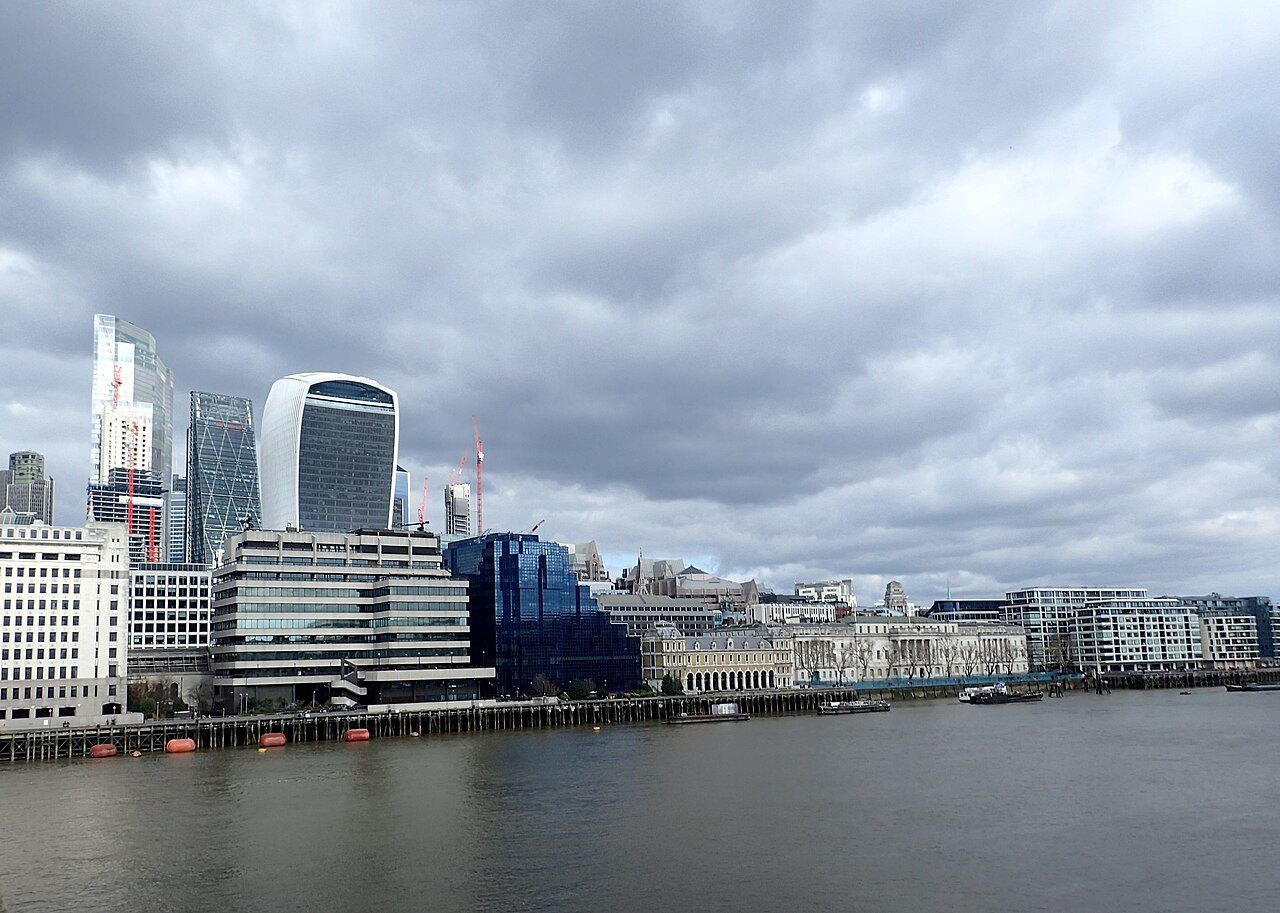
London's commercial property market is confronting a formidable set of challenges as 2026 progresses, with office vacancy rates and financing costs creating a squeeze that landlords and developers have not experienced in over a decade.
The headwinds are particularly acute in prime office districts. Across the City of London and Canary Wharf, average asking rents have softened by approximately 8-12% since the start of the year, according to recent market assessments. Meanwhile, in less established areas like Old Street and King's Cross—traditionally positioned as growth corridors—demand for conventional office space remains stubbornly weak, with some landlords struggling to fill space that would have commanded premium rates five years ago.
The structural shift toward hybrid and remote working arrangements continues to weigh heavily. Major financial services firms and technology companies have consolidated their London footprints, returning keys to landlords on both the Square Mile's narrow streets and along the Thames in Nine Elms. This trend has created a cascading effect: increased supply, reduced competition for tenants, and mounting pressure on asset valuations.
Interest rate persistence compounds the problem. Debt servicing costs for commercial mortgages remain elevated, making refinancing considerably more expensive for property owners. Institutional investors that would typically absorb distressed assets are now applying far more rigorous underwriting standards, creating a squeeze in the secondary and tertiary markets.
Planning authorities across London are responding to this dislocation by making conversions from office to residential use simpler—a recognition that the previous model of endless office expansion may be obsolete. The City of London Corporation has already granted dozens of permitted development rights for conversion projects, signalling acceptance that the old paradigm is shifting irreversibly.
Operational expenses present another pinch point. Service charges, property taxes, and compliance costs—particularly post-pandemic safety upgrades and net-zero carbon targets—have risen sharply. A mid-sized office building in Fitzrovia or Bloomsbury now faces annual running costs that significantly exceed historical benchmarks, further compressing returns for landlords.
Some segments remain resilient. High-specification, sustainably-certified space in genuinely prime locations still attracts serious interest, though at lower rental growth than historically typical. Flexible workspace operators continue their expansion, though their model faces questions about profitability as expansion slows.
The consensus among commercial property agents is cautious: the market is unlikely to recover lost ground quickly. Structural oversupply, changing workplace behaviours, and financing constraints suggest that London's office sector will face headwinds well into 2027 and beyond. Landlords banking on a swift return to pre-pandemic occupancy patterns may need to reassess their strategies entirely.
This article was compiled by AI from the sources linked above and screened before publishing. See our editorial standards.
Business
Business
Business
Business
About this article
Published by The Daily London
Spread the word
Daily brief
Free, in your inbox before 7am. Weekdays.
The Daily Network — independent news worldwide