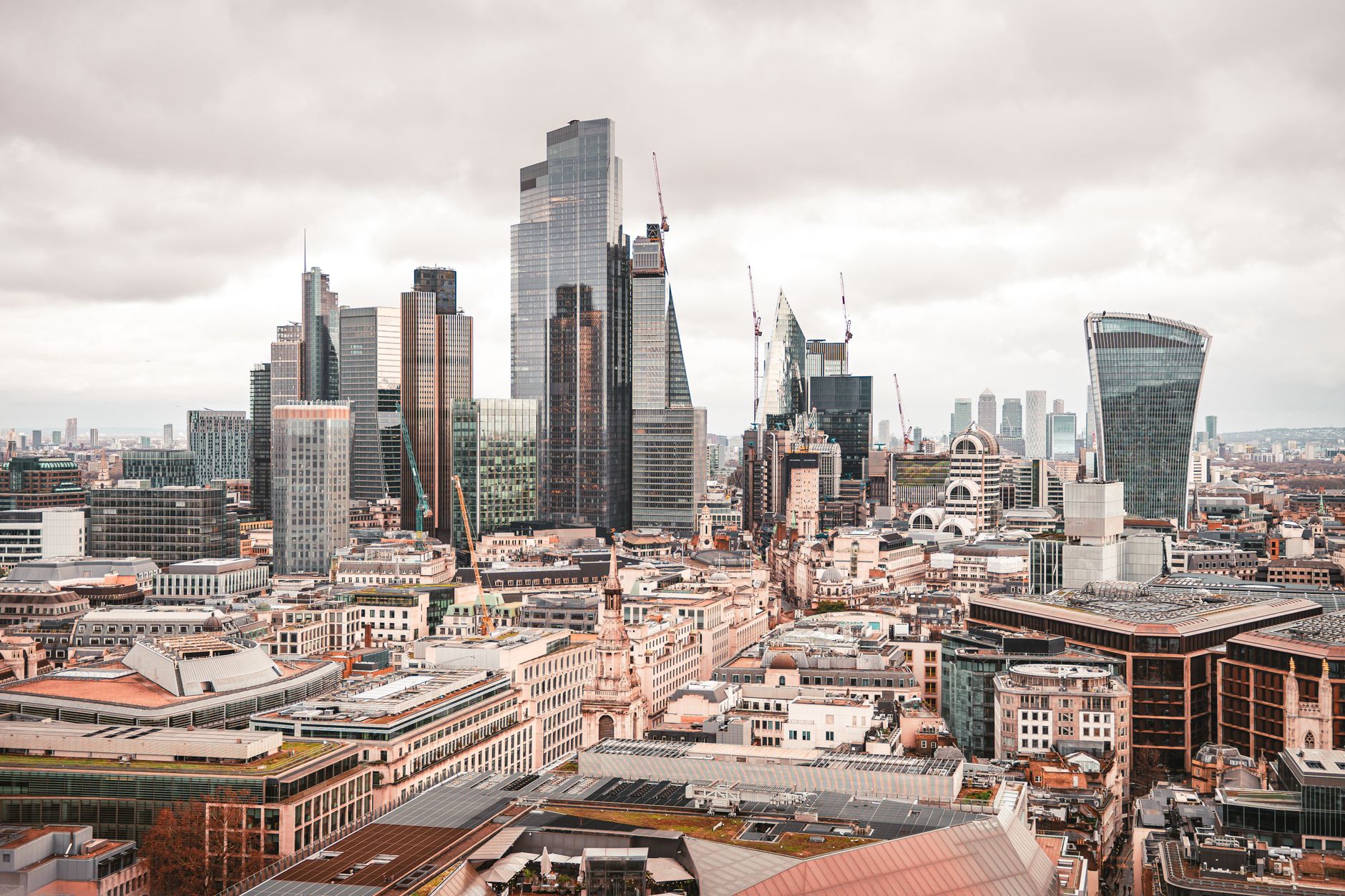
The past fortnight has delivered a masterclass in market volatility for London's business community. With geopolitical flashpoints from the Middle East to South Asia dominating headlines, and Trump administration policies creating unpredictable ripple effects, enterprises across the capital are recalibrating their investment strategies and hedging their bets with newfound caution.
On the ground in Canary Wharf and the City's traditional financial districts, the anxiety is palpable. Commercial property vacancy rates in prime London locations—particularly around the Square Mile and Mayfair—have ticked upward to 8.4%, up from 7.2% a year ago, as firms reassess their real estate footprint. Tech and professional services companies that expanded aggressively during the post-pandemic boom are now consolidating, with several major players quietly reducing headcount or consolidating office space.
But it's not all caution. Forward-thinking businesses are identifying opportunities within the turbulence. Energy sector investors, watching Middle East geopolitical manoeuvres closely, are diversifying renewable portfolios—a trend reflected in increased activity at venture capital firms headquartered along the South Bank. Meanwhile, firms with strong emerging market exposure are reassessing supply chain vulnerabilities following regional tensions.
Cost pressures remain relentless. A coffee in a Shoreditch startup hub now averages £3.80—a 12% year-on-year increase. Commercial rents in sought-after neighbourhoods like Fitzrovia and King's Cross continue their upward march, with Grade A office space fetching £85-95 per square foot annually. For hospitality and retail operators already contending with staffing costs and energy bills, these headwinds create genuine margin compression.
The investment community itself is exhibiting cautious optimism. Private equity firms are sitting on substantial dry powder, but deployment remains selective. According to business surveys from the London Chamber of Commerce, only 31% of mid-market firms plan significant capital expenditure in the next six months—down from 47% last year. Conversely, defensive sectors like professional services, legal technology, and cybersecurity continue attracting steady investor interest.
For London businesses, the message is clear: this isn't the moment for aggressive expansion, but neither is paralysis warranted. Companies that maintain financial flexibility, monitor geopolitical developments closely, and invest strategically in operational efficiency will be best positioned to capitalise when the current uncertainty lifts. The capital's resilience—built over centuries—will be tested, but those paying attention to market signals now will emerge stronger.
This article was compiled by AI from the sources linked above and screened before publishing. See our editorial standards.