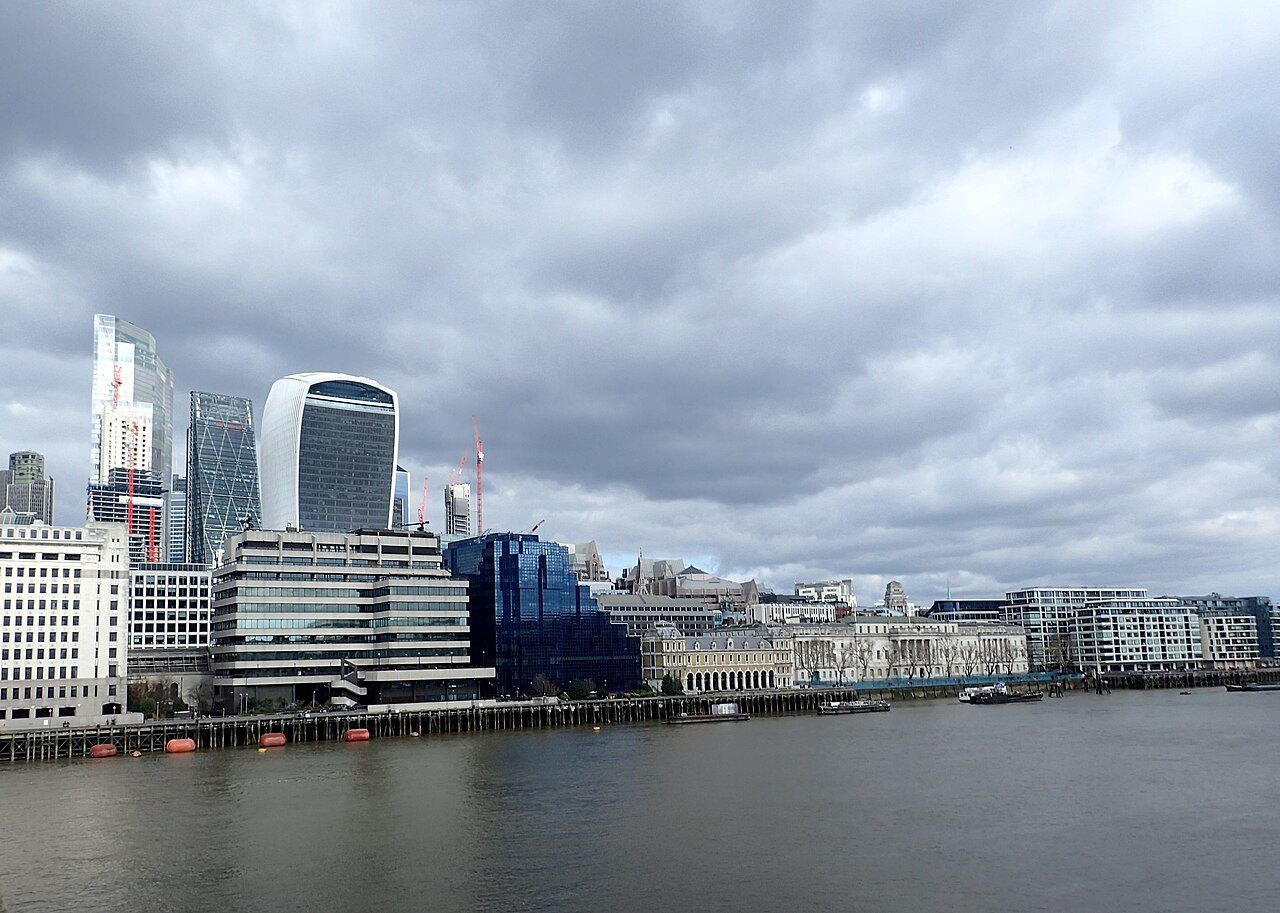
Walk into any warehouse along the Thames Gateway and you'll find supply chain managers glued to news feeds from Tehran, Washington and Beijing. For London's import-export sector—worth an estimated £87 billion annually—the current geopolitical landscape has become as critical to business planning as weather forecasts once were.
The latest escalations between the US and Iran have sent tremors through London's logistics hubs. At Tilbury docks, one of Europe's busiest container ports just 25 miles east of the City, shipping agents report a 12-15% surge in insurance premiums for vessels transiting the Strait of Hormuz. For small to mid-sized businesses relying on Asian component imports, that translates directly to the bottom line.
"We're seeing lead times stretch from six weeks to ten," explains one operations director at a Canary Wharf-based electronics distributor, requesting anonymity. "When you're operating on 3-4% margins, that's the difference between profit and loss."
The impact ripples through neighbourhoods far beyond the docks. In Shoreditch's tech quarter, startup founders who source hardware from Vietnam and Malaysia are reassessing inventory strategies. Fashion businesses in the Garment District around Newington Green face similar pressures—containerised shipments from Bangladesh and India now carry geopolitical risk premiums that didn't exist two years ago.
Lloyd's of London, the centuries-old insurance market in the Square Mile, has become a de facto bellwether for global stability. Underwriters there are repricing risk across multiple sectors simultaneously—energy, shipping, manufacturing—creating a compounding effect that eventually reaches High Street businesses.
Some firms are adapting with strategic resilience. Nearshoring initiatives are gaining traction, with manufacturers exploring Turkish and Eastern European suppliers to reduce exposure to Asian supply chains. Businesses are also diversifying port dependencies—not just Tilbury and Southampton, but exploring Rotterdam connections and alternative logistics routes.
Yet London's position as a global financial hub cuts both ways. The City's forex traders and commodity brokers benefit from volatility, and companies with strong balance sheets can absorb temporary shocks. Smaller operators struggle more visibly. A survey by the London Chamber of Commerce in April found 58% of member firms reported increased operational costs directly attributable to geopolitical uncertainty.
As tensions persist—whether between superpowers, regional powers, or over resources—London's business community remains locked in a holding pattern. The city's legendary adaptability will be tested as these global currents run deeper and longer than many anticipated.
This article was compiled by AI from the sources linked above and screened before publishing. See our editorial standards.