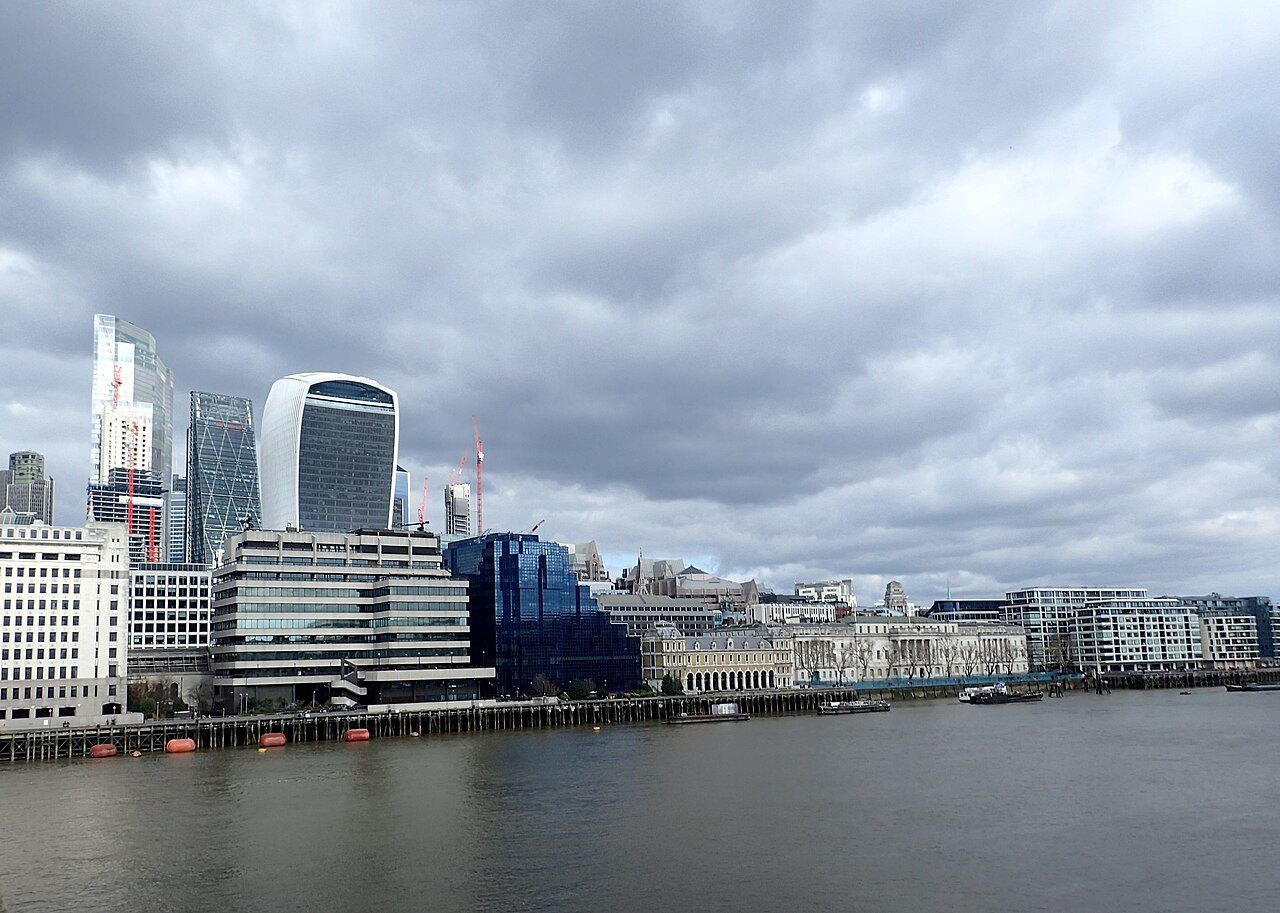
Walk down Silicon Roundabout in Shoreditch and you'll see cranes, new office blocks, and venture capital flowing like never before. Yet step into a Waitrose on King's Road in Chelsea, or grab a coffee in Soho, and the pinch on household budgets feels just as real. This paradox—booming investment alongside squeezed living standards—reveals how modern London's economy operates on two fundamentally different tracks.
Recent data tells a revealing story. Foreign direct investment into London's technology and fintech sectors surged 23% in the first half of 2026, according to preliminary figures from the Greater London Authority. Middle Eastern sovereign wealth funds and Asian institutional investors have been particularly active, snapping up stakes in AI startups clustered around Canary Wharf and Old Street. This capital inflow undoubtedly underpins London's global competitiveness.
But here's the disconnect that matters to ordinary Londoners. While investment pounds chase high-growth opportunities, the cost of living in residential neighbourhoods from Clapham to Walthamstow has continued its upward march. Rental yields in Zone 1 properties now average £2,100 monthly for a one-bedroom flat—up 8% year-on-year. Transport costs, energy bills, and grocery prices have similarly outpaced wage growth for most workers outside the financial and tech sectors.
Understanding this requires grasping how economic indicators work. Investment flows are measured by tracking capital deployment into businesses and assets—they signal future growth potential and investor confidence. Cost of living metrics, by contrast, measure what households actually spend on necessities. The two aren't always correlated because investment capital concentrates in specific sectors and locations, while living costs affect everyone universally.
The Bank of England's latest quarterly inflation report flagged this tension explicitly. While core inflation has settled around 2.1%, housing costs remain elevated, and wage growth in non-financial sectors has lagged at roughly 1.8% annually. This squeeze is particularly acute for London's public sector workers, NHS staff at major hospitals, and service industry workers across Westminster and the West End.
For investors, the lesson is clear: London remains a magnet for global capital seeking exposure to fintech, green technology, and creative industries. For residents, the message is more sobering—economic indicators suggest growth is real, but it's unevenly distributed. The investment flows enriching shareholders in Mayfair aren't automatically translating into improved affordability for families in Bethnal Green.
This is the London economy in 2026: dynamic, globally connected, yet increasingly bifurcated. Reading the indicators correctly means acknowledging both realities.
This article was compiled by AI from the sources linked above and screened before publishing. See our editorial standards.