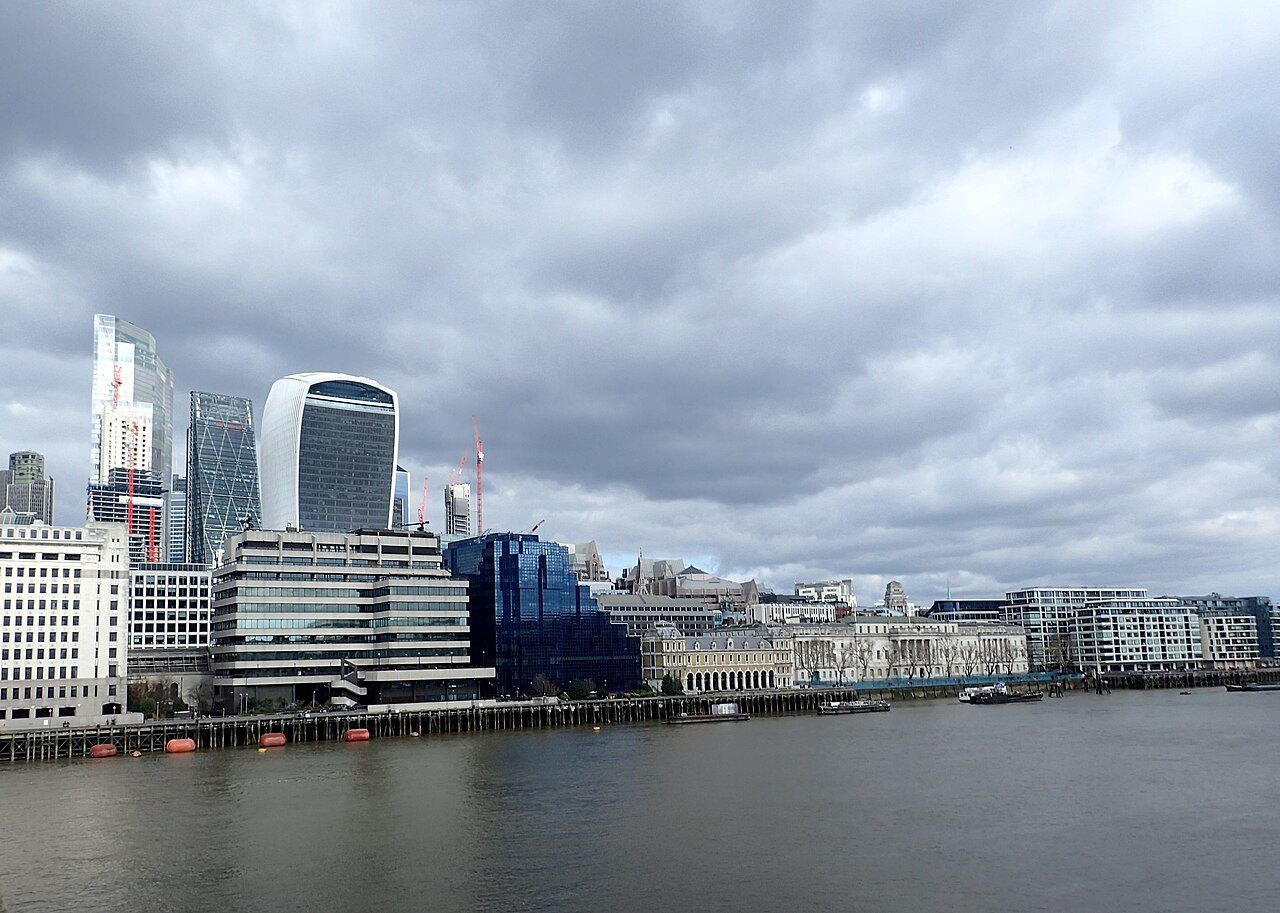
London's commercial property sector is navigating treacherous waters as multiple headwinds converge to dampen investor appetite and reshape the office landscape in 2026. After years of relative stability, landlords and developers are confronting a cocktail of economic pressures that show little sign of easing.
The City's prime office yields have compressed to uncomfortable levels, with Grade A space in the Square Mile now commanding rents that fail to justify investment returns against current lending costs. Major institutional investors have grown noticeably cautious, with acquisition volumes in London's core business districts running 30 per cent below 2024 levels, according to recent market analysis. The Canary Wharf estate, once a symbol of London's financial resilience, has seen several major tenants renegotiate downwards or consolidate their footprints, signalling broader corporate caution.
Persistent hybrid and remote working patterns continue to plague the sector. Despite corporate rhetoric about in-office collaboration, occupancy rates across the West End and South Bank remain volatile. Landlords are increasingly offering incentives—from rent-free periods to refurbishment concessions—just to retain tenants, compressing margins across the board. The pressure is particularly acute for secondary stock, where several office buildings along the Old Street corridor and around King's Cross remain substantially vacant.
Regulatory headwinds compound these challenges. Stricter environmental compliance standards mean older buildings require expensive retrofitting to meet net-zero targets by 2030. Retrofitting costs for Victorian and Edwardian office buildings in Mayfair and Clerkenwell often exceed £2,000 per square metre—a significant burden for owners with limited cash flow.
Interest rate persistence is another critical factor. Unlike the post-pandemic spike, elevated borrowing costs appear structural. Refinancing existing debt becomes a painful proposition for overleveraged owners, whilst development financing remains expensive, slowing new supply. Several speculative schemes in Nine Elms and Battersea have been shelved or redesigned as residential-heavy mixed-use projects rather than pure office developments.
Yet not all segments suffer equally. Flexible workspace operators remain active, and buildings offering premium amenities and genuine sustainability credentials attract flight-to-quality interest. The British Library's neighbouring developments and regeneration schemes around Tottenham Court Road show selective demand persists for exceptional locations with genuine tenant appeal.
For now, London's office market remains in transition. The combination of structural workplace change, financial constraints and regulatory burden means that 2026 will likely be defined by repricing and consolidation rather than expansion. Smaller, specialist operators and investors with dry powder may find opportunity, but the broader sector faces a lengthy correction.
This article was compiled by AI from the sources linked above and screened before publishing. See our editorial standards.