Business
World in Flux Sends Mixed Signals to London's Tourism Economy
From Tehran's funeral crowds to Trump's travel crackdown, a turbulent global summer is reshaping who visits London, where they spend, and how much.
4 min read
Updated 1 h ago
Business
From Tehran's funeral crowds to Trump's travel crackdown, a turbulent global summer is reshaping who visits London, where they spend, and how much.
4 min read
Updated 1 h ago
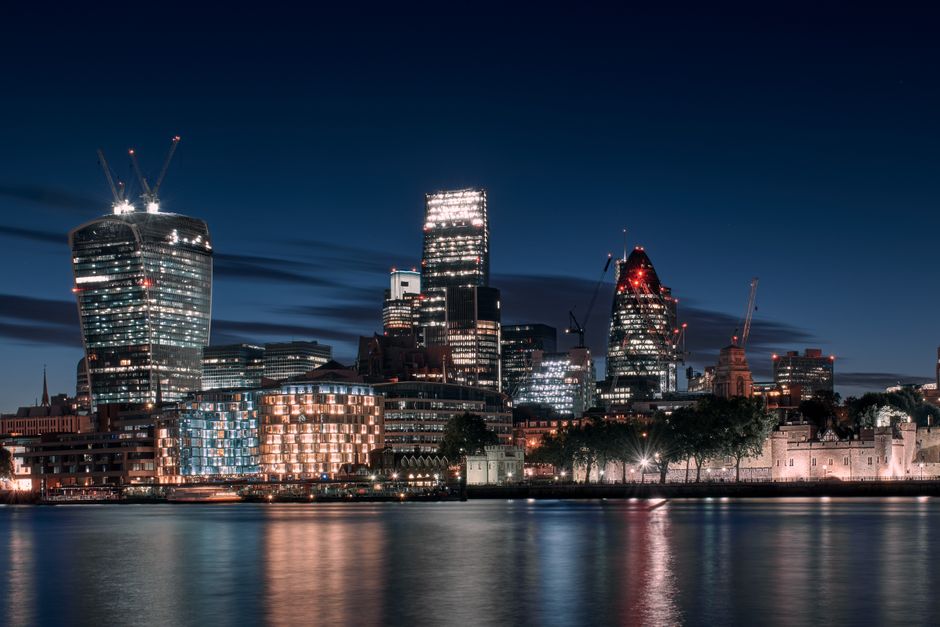
London's visitor economy is heading into its busiest fortnight of the year with a peculiar problem: footfall is up, but the mix of tourists arriving at Heathrow has shifted sharply enough to alarm retailers and hoteliers in equal measure. The capital drew 21.7 million overseas visitors in 2025, generating roughly £16.4 billion in spending, according to VisitBritain figures. Whether 2026 matches that depends heavily on decisions made in Washington, Tehran and Lima — not in Westminster.
The timing matters because July and August account for nearly 35 percent of annual leisure tourism revenue in central London, according to the London Chamber of Commerce. A shortfall in high-spending transatlantic arrivals cannot be easily offset by volume from elsewhere, and right now the transatlantic pipeline is constricted. Tighter US entry screening under the Trump administration's expanded travel protocols has spooked outbound American travellers, with many opting for destinations requiring less documentation friction. Mexico has been a clear beneficiary, according to tourism industry data circulating this week. London is not Mexico, but it is competing for the same discretionary holiday budgets.
The death of Ayatollah Khamenei and the uncertainty now surrounding Iranian political succession has already dampened a modest but commercially significant flow of Iranian diaspora visitors who typically pass through London in summer months, visiting family in Kensington and spending heavily in Knightsbridge. Harrods, which tracks its own customer origin data internally, declined to comment for this article, but luxury retail analysts covering the Old Brompton Road corridor say foot traffic from Middle Eastern visitors softened noticeably during the last ten days of June. That trend is unlikely to reverse quickly given the funeral crowds in Tehran and the leadership vacuum now consuming elite attention inside the Islamic Republic.
Offsetting some of that pressure is a quiet boom in Latin American arrivals, partly driven by Peru's newly concluded presidential election. Keiko Fujimori's victory, confirmed weeks after polling day, has settled a period of acute business uncertainty in Lima, and Peruvian high-net-worth families who deferred European travel plans during the dispute are now booking. Travel management companies serving the South American market report a spike in long-haul premium cabin enquiries to Heathrow for late July and August, with central London hotels — particularly those clustered around Mayfair and the Strand — seeing late-stage corporate bookings from Lima and Bogotá.
The response from operators on the ground is pragmatic. The Southbank Centre rolled out its Summer on the Southbank programme on June 28 with pricing that explicitly targets domestic and near-European visitors — day-passes for outdoor events start at £12 — rather than relying on the US and Gulf visitor who historically arrived pre-booked and pre-spent. The Victoria and Albert Museum extended its Tuesday evening openings through to 9pm for the whole of July, a move timed to capture European visitors arriving on afternoon Eurostar services into St Pancras.
The broader industry numbers are not alarming, but they are flashing amber. VisitBritain's forward-booking index for London accommodation in July 2026 sits approximately 4 percent below the equivalent point in 2025, according to figures shared with travel trade members last month. Average daily hotel rates in Zone 1 have held around £245, but occupancy discounting is beginning to appear on platforms like Booking.com for mid-week stays in the third week of July — unusual at this point in the season.
For smaller operators — the independent restaurants on Exmouth Market, the guided walking tour companies departing from Tower Hill every morning at 10am — the practical advice from the New West End Company, which represents over 600 businesses across Oxford Street, Regent Street and Bond Street, is to lean into domestic day-trippers and near-European visitors arriving via Eurostar until the transatlantic picture stabilises. The company has urged members to accept contactless payment in euros at the till, a small friction-reducer that studies suggest increases average transaction value by around 8 percent among continental European visitors. It is the kind of granular adjustment that distinguishes the businesses that will bank a strong August from those that will merely survive it.

Business

Business

Business

Business
About this article
Published by The Daily London
Spread the word
Daily brief
Free, in your inbox before 7am. Weekdays.
Before you go
The day's London news in a 2-minute read. Free, weekday mornings.