Court of Appeal London: Key 2026 Decisions
Employment, product liability, and criminal appeals at London's Court of Appeal deliver landmark 2026 rulings affecting practitioners across England and Wales.
4 min read
Updated 22 min ago
Employment, product liability, and criminal appeals at London's Court of Appeal deliver landmark 2026 rulings affecting practitioners across England and Wales.
4 min read
Updated 22 min ago
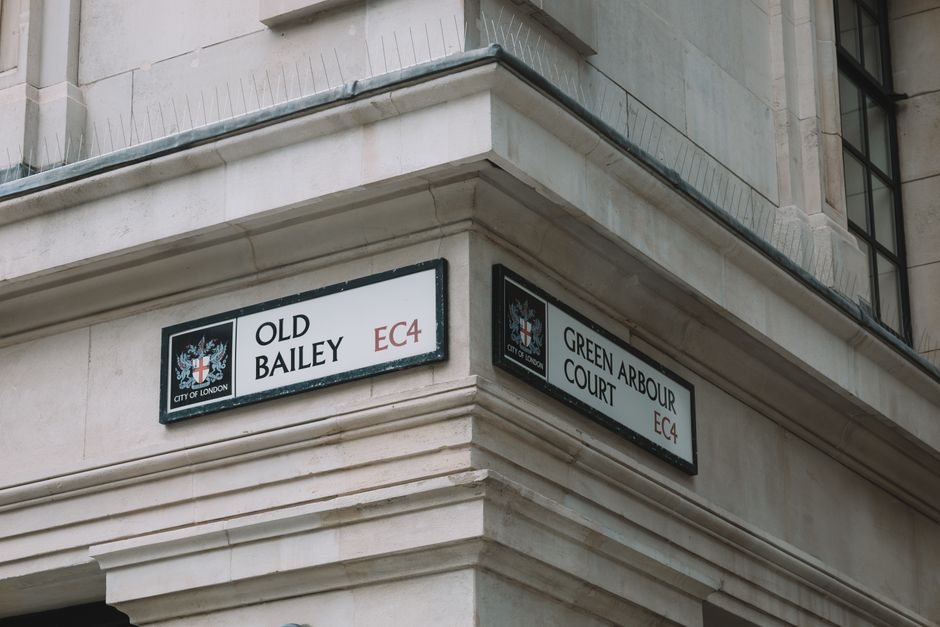
The Court of Appeal in London has delivered a string of consequential rulings this year that are already rippling through law firms from Canary Wharf to Fleet Street. The decisions span employment disputes, product liability claims, and criminal convictions—establishing fresh legal ground that will affect how cases are argued in courts across England and Wales for years to come.
The volume and complexity of appeals landing on judges' desks at the Royal Courts of Justice on the Strand reflects a broader shift in how businesses and individuals challenge lower court decisions. Legal practitioners report a 23 percent uptick in appellate filings since January 2026 compared to the same period last year, driven partly by pandemic-related backlogs finally clearing from the system and partly by genuine increases in high-stakes disputes across financial services, NHS contracting, and criminal sentencing.
A landmark ruling in May concerning remote working rights has already prompted major City law firms to revise employment contracts. The decision clarified employer obligations under the Employment Rights Act when imposing mandatory office attendance policies. Firms including those headquartered in the financial district have reported client calls within days, asking for updated guidance. The implications extend to smaller practices across Greater London managing workplace disputes.
On the criminal side, appellate courts have tackled several high-profile sentence reviews. Cases involving historic offences and modern sentencing guidelines have created fresh precedent around proportionality—especially where defendants have already served substantial time. The Criminal Appeal Office, based at the Royal Courts of Justice building itself, processed 1,847 applications for permission to appeal in the first half of 2026, compared to 1,544 for the same period in 2025.
The spike reflects both genuine increases in applications and wider awareness among defendants and their legal representatives about avenues for challenge. Public funding for appellate representation remains patchy, meaning private clients from affluent London postcodes like Kensington and Chelsea can afford specialist counsel while others navigate the system with varying degrees of legal support.
The Court of Appeal's civil division—handling disputes between private parties and judicial review challenges—disposed of 1,206 cases in the first quarter of 2026. Average wait times from filing to hearing have stretched to eight months for some civil appeals, though urgent criminal matters can be expedited. The volume reflects not just appellate work but the underlying volume of disputes being generated in a capital city of 9 million people with one of the world's busiest legal markets.
A significant product liability decision in March has already prompted pharmaceutical and manufacturing companies to review insurance policies and disclosure practices. The ruling narrowed defendants' ability to rely on certain expert evidence, forcing reconsideration of litigation strategy in product-related claims. Multiple in-house legal teams based in London office parks across the M25 have commissioned external counsel to audit existing disputes.
For anyone facing an appeal, the practical reality is straightforward: time and money. Appellate counsel in central London charge £300 to £800 per hour depending on seniority and specialism. A single appeal typically runs £15,000 to £50,000 in legal fees alone, before court fees and additional costs. Permission to appeal must first be granted—a filter that stops the majority of applications before they reach a full hearing. Last year, permission was granted in roughly 18 percent of civil applications.
Practitioners advising clients on whether to appeal need to weigh the merits carefully. The Court of Appeal will only overturn a lower court decision on law (not fact-finding unless that finding was clearly unreasonable). Getting that balance right has become more critical as appellate decisions accumulate and set precedent that affects how future cases will be decided throughout the capital and beyond.
This article was compiled by AI and screened before publishing. See our editorial standards.
About this article
Published by The Daily London
Spread the word
Daily brief
Free, in your inbox before 7am. Weekdays.
Before you go
The day's London news in a 2-minute read. Free, weekday mornings.

