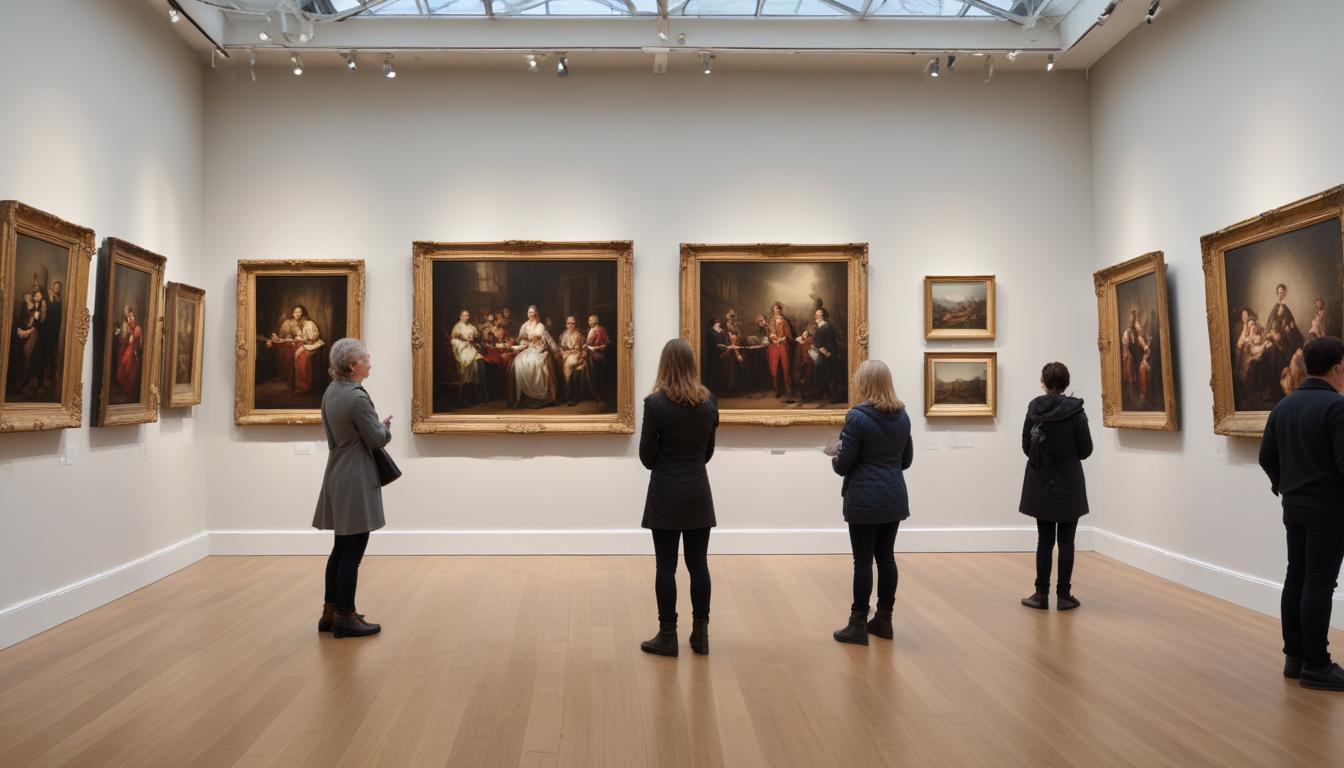
The Grassroots Revolution Reshaping London's Theatres and Cinema Halls
A new wave of community-led initiatives is democratising performing arts across the capital, turning neglected venues into cultural anchors for underserved neighbourhoods.
This article was generated by AI from the linked public sources. The Daily London is independently owned and covers London news free from advertiser or sponsor influence. Read our editorial standards →
Walk past the shuttered Ritzy Cinema on Coldharbour Lane in Brixton on any given evening, and you'll spot clusters of volunteers painting murals, installing new seating, and testing projection equipment. What was nearly lost to corporate consolidation is being reclaimed by the very community it once served. This scene—replicated in pockets across London—represents a profound shift in how the city approaches theatre, film, and performance.
Over the past eighteen months, grassroots collectives have launched ambitious restoration projects in underinvested areas. In Peckham, the Coptic Community Centre on Rye Lane has transformed its basement into a 60-capacity black-box theatre, hosting experimental work by emerging playwrights and performers. Ticket prices hover around £8—deliberately undercutting West End standards—while maintaining artistic ambition. Across the Thames, Waltham Forest Council's partnership with independent producers has resulted in free outdoor screening seasons across its parks, attracting 15,000+ attendees annually since 2024.
What distinguishes this movement from charity-driven models is its insistence on equity and creative control. The Dalston Cultural Alliance, a coalition of residents, artists, and cultural workers, has compiled a detailed map of 47 underused performance spaces across East London, partnering with local councils to convert them into affordable rehearsal studios and screening rooms. Membership costs £25 annually—with fees waived for those on means-tested benefits—yet the organisation has already reached 2,300 members.
The shift reflects deeper anxieties about London's cultural infrastructure. Major venues have faced programming pressures; ticket prices at flagship theatres have climbed 23% since 2020, according to Arts Council England data. Meanwhile, entire neighbourhoods—particularly outer zones and post-industrial areas—lack reliable access to live performance. Young people aged 16-24 in outer London boroughs attend live theatre less than half as frequently as their central London counterparts.
Crucially, these movements aren't nostalgic. Organisations like the South London Theatre Cooperative actively commission work exploring migration, class, and identity—issues that major stages sometimes struggle to centre. The Hackney Attic, a converted Victorian loft space, has become known for hosting intimate film festivals curated by diaspora communities, drawing audiences who might never venture into traditional cinema chains.
As funding remains contested and commercial pressures intensify, these community-driven models offer a parallel vision: one where cultural participation isn't a luxury good, but a neighbourhood constant. Whether it proves sustainable remains unclear. What's undeniable is that London's performing arts landscape is being remade not from above, but from within its own communities.
This article was compiled by AI from the sources linked above and screened before publishing. See our editorial standards.
Covering culture in London. This article was generated by AI from the linked sources and was not reviewed by a human editor before publishing. See our editorial standards.