Walk past the Roundhouse in Camden on any given evening this month, and you'll catch fragments of conversation that map the whole world: Afrobeats spilling from one rehearsal space, a Bengali theatre company running lines in another, electronic musicians testing synths in a third. This isn't unusual for London anymore. It's the baseline.
The summer festival season—now stretching from June through September across the capital—has quietly become the most honest gauge of what London actually is in 2026. Not the heritage narratives of the guidebooks, not the financial-district swagger of the Square Mile, but something messier and more alive: a city where creative identity is being constantly remade by the people who live here.
Consider the numbers. The South Bank Centre's summer programming alone draws roughly 400,000 visitors, but what matters more is the composition. This year's lineup includes the Ovalhouse's queer theatre festival, the National's outdoor Shakespeare season, and the Southbank Fringe—a deliberately anarchic counterpoint to the main programme. They coexist, sometimes uneasily. They define each other.
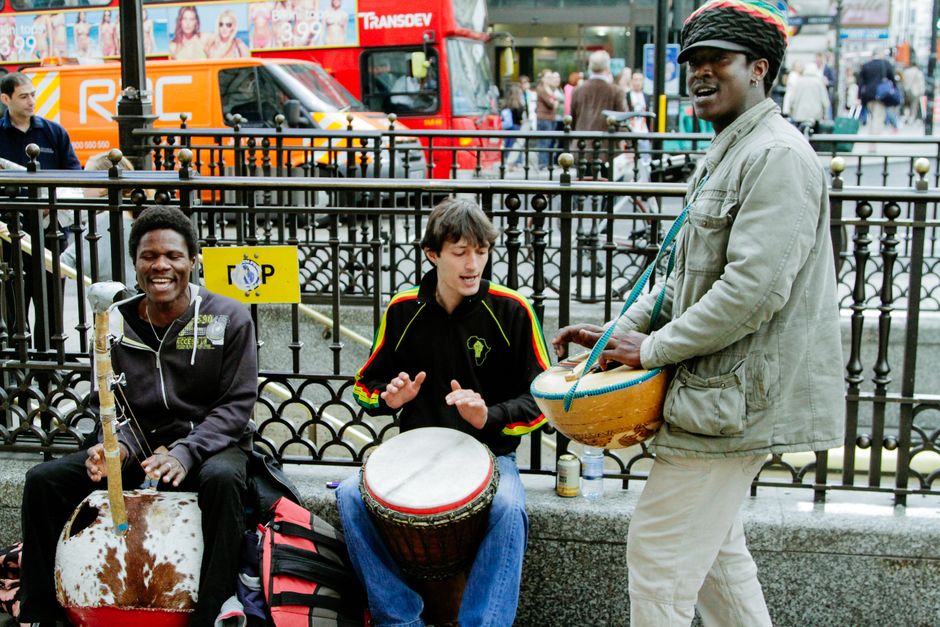
Meanwhile, across the river, Hackney Downs has become an unofficial creative corridor. The Vortex jazz club hosts nightly sessions, while the independent venues dotting Stoke Newington High Street—Arcola Theatre, The Nest—programme experimental work that the West End wouldn't touch. Dalston has its street festivals, Peckham its rooftop cinema circuits. Brixton Academy remains a proving ground for emerging artists.
What's striking is the deliberate resistance to curation from above. London's festival culture isn't being dictated by corporate sponsors (though they exist). Instead, it's being shaped by artists' collectives, diaspora communities, and independent programmers who've learned that a city's cultural identity emerges from what people actually want to make and see, not what institutions think they should consume.
The Cape Verde World Cup excitement mentioned in some circles reflects this shift too—communities using London's cultural infrastructure to celebrate their own narratives. That's new, or rather, it's a return to something more authentic.
Ticket prices remain prohibitive for many: West End theatre averaging £45-80, festival passes £30-50. It's a genuine problem, one the South Bank and Arts Council England are grappling with through reduced-price schemes. But the sheer proliferation of free events—outdoor screenings, street performances, community festivals in parks—suggests the city is trying.
By September, when the festival season winds down, London will have hosted hundreds of events across dozens of neighbourhoods. The identity they collectively express is less a fixed thing than a direction of travel: towards a city that makes space for the strange, the new, and the stubbornly local.
This article was compiled by AI from the sources linked above and screened before publishing. See our editorial standards.