How Fashion Design is Redefining London's Creative Identity
From Shoreditch studios to Savile Row workshops, the capital's designers are reshaping what it means to be a global creative hub in 2026.
3 min read
From Shoreditch studios to Savile Row workshops, the capital's designers are reshaping what it means to be a global creative hub in 2026.
3 min read
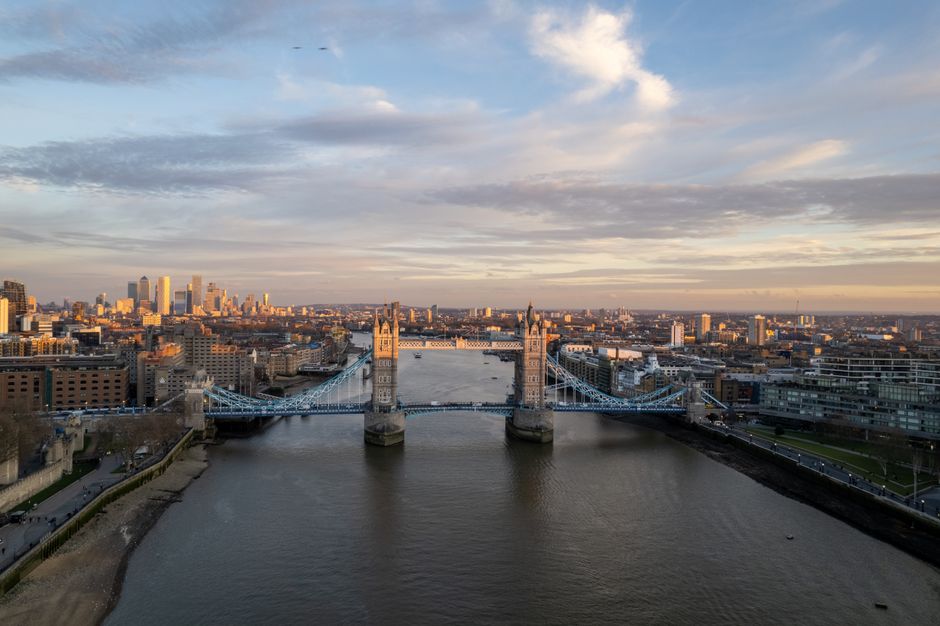
Walk through Shoreditch on a Tuesday morning and you'll witness something unmistakably London: a young designer in vintage Adidas trainers unlocking a converted warehouse studio, ready to sketch the next collection that might define a generation. This scene, repeated across districts from Bethnal Green to Brixton, encapsulates how fashion design has become the cultural backbone of contemporary London—not merely as an industry, but as the primary lens through which the city now defines itself creatively.
The numbers tell a compelling story. London's creative industries contributed £22.7 billion to the UK economy last year, with fashion design accounting for roughly 18 percent of that figure. But statistics fail to capture what's truly happening: a fundamental shift in how Londoners see their city. Fashion design has become more than manufacturing or retail. It's become the visible language of London's identity—one that's inclusive, boundary-pushing, and distinctly rooted in the capital's neighbourhoods.
The infrastructure supporting this identity is now substantial. The British Fashion Council's base near Soho remains the organisational heart, while graduate programmes at Central Saint Martins and the Royal College of Art continue producing the world's most ambitious young designers. But the real action increasingly happens in the spaces between: the pop-up studios of Hackney Wick, the independent showrooms clustering around Brick Lane, and the collaborative workspaces of Peckham where designers from fifty nationalities share cutting tables and sewing machines.
Savile Row, traditionally synonymous with bespoke tailoring, has undergone its own reinvention. The street now hosts a mixture of heritage ateliers and experimental studios where designers are reimagining what British tailoring means for a digital-native generation. This coexistence—between centuries-old craft and cutting-edge innovation—has become quintessentially London.
What distinguishes London's fashion scene from competitors like Paris or Milan is its deliberate embrace of plurality. There is no single London aesthetic; instead, there are hundreds. This pluralism has become the city's creative signature. A designer working in Dalston might reference Jamaican dancehall aesthetics, Nigerian textiles, and East London council estate practicality in a single collection. That fusion is not incidental—it's exactly what London fashion communicates about the city itself.
As the capital looks toward regeneration projects across Nine Elms and King's Cross, fashion design is shaping how these spaces function culturally. Creative hubs are being built alongside housing and commercial development, intentionally positioning design as central to London's future identity. The message is clear: this city doesn't merely produce fashion. This city is fashion—restless, collaborative, and forever reinventing itself.
This article was compiled by AI from the sources linked above and screened before publishing. See our editorial standards.
About this article
Published by The Daily London
Spread the word
Daily brief
Free, in your inbox before 7am. Weekdays.
The Daily Network — independent news worldwide