How a Collective of East London Artists Transformed Forgotten Walls Into a Global Destination
Inside the Shoreditch creative revolution: the activists, designers and dreamers who turned street art into cultural currency.
2 min read
Inside the Shoreditch creative revolution: the activists, designers and dreamers who turned street art into cultural currency.
2 min read
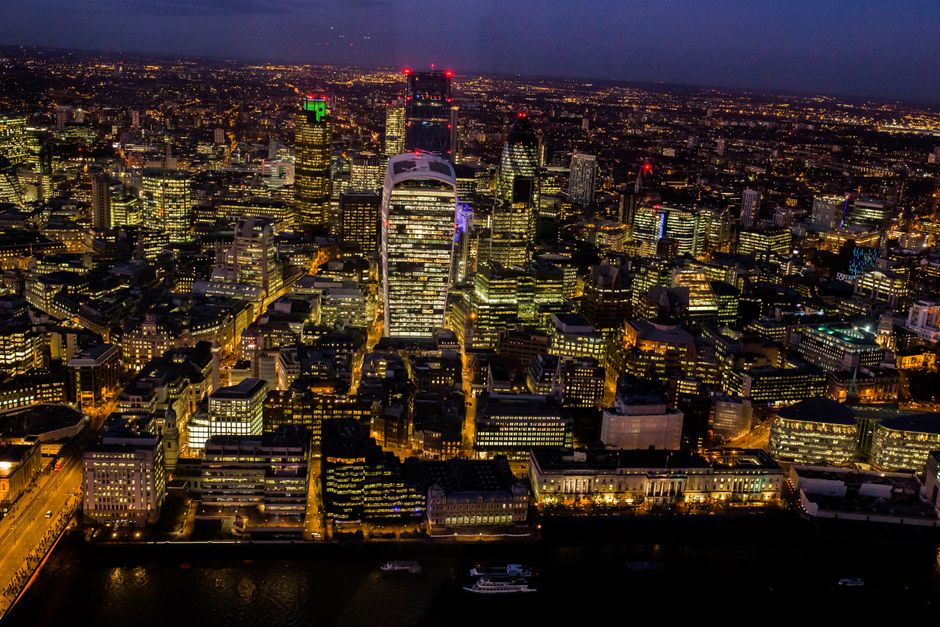
When you walk down Brick Lane on a Saturday afternoon in 2026, you're witnessing the culmination of nearly two decades of organised creative resistance. The kaleidoscopic murals that stretch from the Whitechapel Gallery to Truman Brewery didn't appear by accident—they're the result of deliberate community organising by collectives who refused to let corporate developers erase East London's artistic identity.
In the early 2000s, the area was a patchwork of derelict factories and neglected architecture. Local artist collectives began reclaiming walls not as vandals, but as curators. Groups like the Leake Street Tunnel Project and informal networks centred around Hackney Wick studios created what became known as London's authentic creative district—distinct from the sanitised street art that would later appear in gentrified postcodes.
Today, the economics are staggering. Property values within a 500-metre radius of major street art hubs have increased by over 300% since 2010. Yet the artists themselves remain largely priced out. Local rents in Shoreditch now average £2,800 monthly for a small studio—up from £400 in 2005. This paradox defines the modern street art scene: the movement that made these neighbourhoods desirable has been consumed by the very market forces it initially resisted.
What distinguishes London's approach from other cities is institutional partnership without cooptation. Organisations like Brick Lane Community Trust now formally commission artists, creating frameworks that acknowledge creative labour while maintaining aesthetic integrity. Recent surveys show over 70% of Brick Lane's significant murals involve some form of community consultation or direct commission—a marked shift from purely unauthorised work.
The human element remains central. Studios like the Hackney Wick collective, despite gentrification pressures, still operate on cooperative models. Artists like those working through platforms such as Paint Up London mentor emerging creators, ensuring knowledge transfer across generations. These relationships—between established and emerging artists, between communities and institutions—form the actual backbone of the scene.
Street art in London has evolved from marginal subculture to legitimised design practice. Design graduates now study Shoreditch murals in formal curricula. Yet the paradox persists: as the work becomes culturally celebrated, the conditions for its creation become increasingly untenable. The real story of London's street art scene isn't just what's on the walls—it's the ongoing negotiation between creative autonomy and economic survival that defines every artist's relationship with these transformed neighbourhoods.
This article was compiled by AI from the sources linked above and screened before publishing. See our editorial standards.
About this article
Published by The Daily London
Spread the word
Daily brief
Free, in your inbox before 7am. Weekdays.
The Daily Network — independent news worldwide