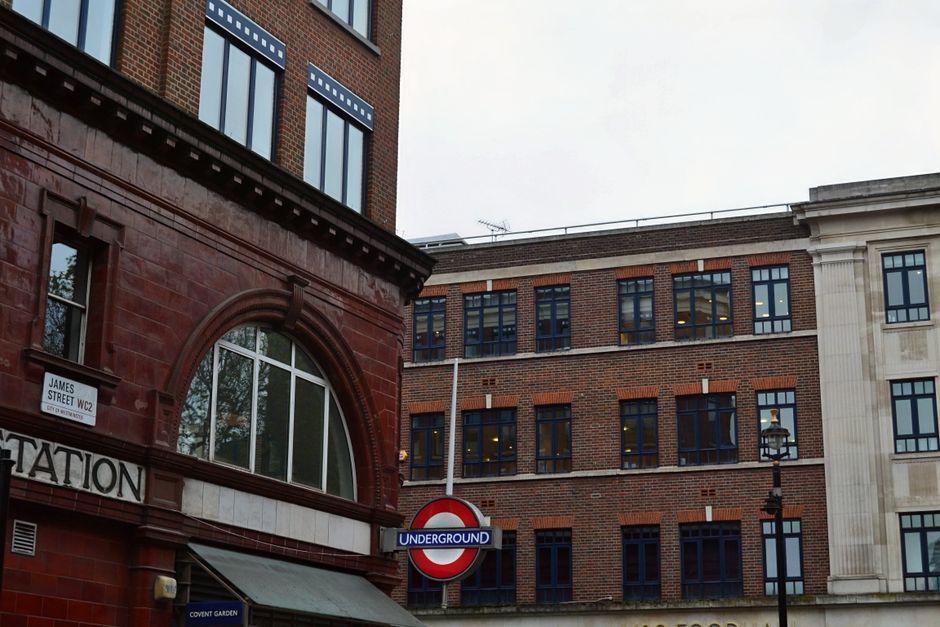
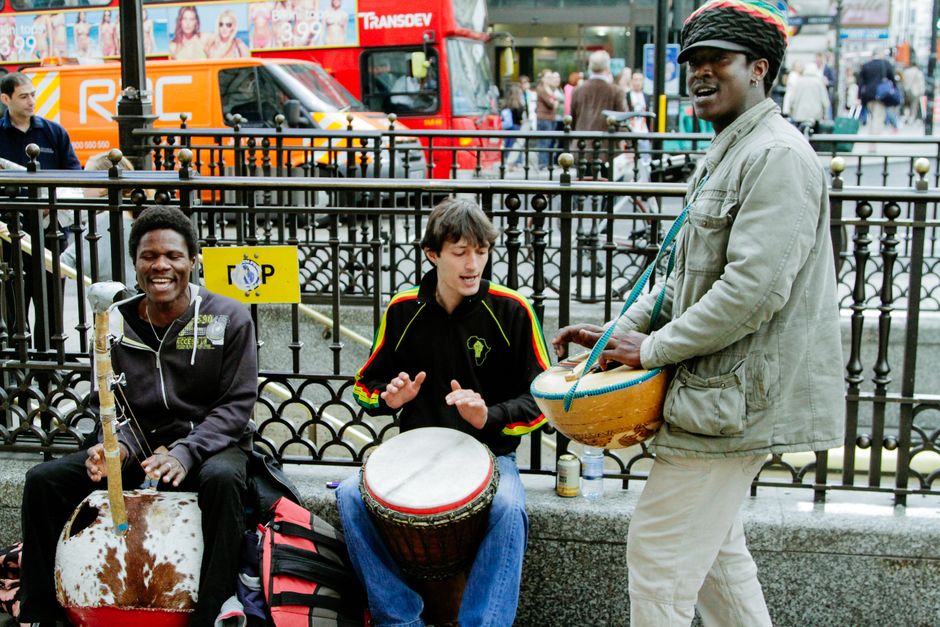
In 1982, when squatters first colonised the Victorian warehouses along Curtain Road, Shoreditch was a place London's cultural establishment ignored. Derelict factories, abandoned textile workshops, and crumbling Georgian townhouses awaited demolition or redevelopment. Instead, they became studios. The grime-encrusted brick walls of what would become the Old Street corridor attracted musicians, artists, and photographers priced out of Soho and Camden. They didn't ask permission.
That spirit of creative occupation defined the next four decades. By the 1990s, venues like Cargo and Barbican's BITE Programme were programming experimental theatre and electronic music that major institutions wouldn't touch. The streets themselves became galleries: street artists transformed railway arches and blank facades into a living archive of British subcultural expression. Property values were negligible enough that a studio could cost £200 monthly.
Today's Shoreditch tells a more complicated story. The Barbican Centre, constructed in 1982 amid fierce local resistance, is now widely celebrated as a cultural institution—its brutalist architecture transformed from eyesore to icon. The Centre now hosts 1.5 million visits annually, with ticket prices ranging from £10 to £45 for major productions. Artists' lofts have metamorphosed into luxury apartments fetching £1.2 million for a one-bedroom conversion.
Yet the neighbourhood's creative DNA persists, albeit transformed. Organisations like the Hackney Pirates—operating since 2009 in Hackney Wick, just across the canal—continue the tradition of artist-led youth development, now on the heritage trail. The Roundhouse in nearby Camden, established in 1966, evolved from underground music venue to an institution training 6,000 young people annually in creative practice. Street Level at the Barbican preserves living memory of the original squatter culture through photography and oral history projects.
The tension is real. Heritage conservation battles emerge annually over development proposals. Residents and artists debate whether Shoreditch's history is being preserved or sanitised for affluent consumption. Yet cultural transmission continues—the Open Source Gallery collective still occupies railway arches; independent record shops cluster around Brick Lane; young practitioners still migrate east seeking affordability and creative freedom.
Shoreditch's evolution mirrors London's broader identity crisis: how does a global city honour its rebellious cultural origins while sustaining the economic conditions that birthed them? The answer, perhaps, lies not in nostalgia but in defending the spaces—physical and economic—where the next generation can occupy, create, and transform.
This article was compiled by AI from the sources linked above and screened before publishing. See our editorial standards.