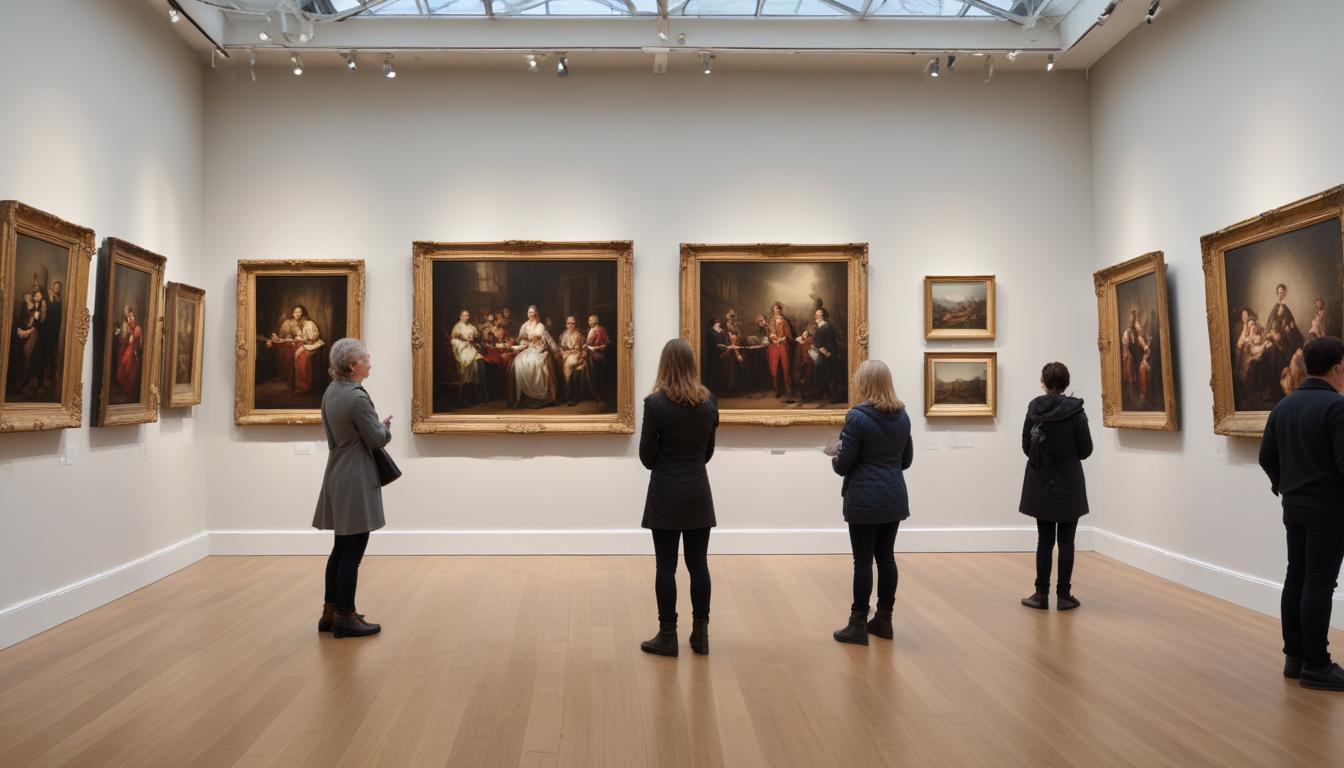
Walk past the National Gallery on Trafalgar Square any afternoon this week and you'll find something unusual: controlled queuing systems, timed ticketing, and visitors debating whether £20 is reasonable for a blockbuster show. Meanwhile, ten miles east in Hackney, a converted warehouse on Dalston Lane has just announced it's free entry, with a rotating programme of emerging artists that locals are discussing with the intensity usually reserved for the South Bank.
The shift is palpable. London's cultural establishment—long defined by its postcard institutions—is facing unexpected competition from neighbourhood galleries, artist collectives, and experimental spaces that have proliferated across zones 2 and 3 since the pandemic. Gallery Weekend London, which wrapped earlier this month, saw record footfall to smaller venues, with Whitechapel Gallery recording a 34 per cent increase in visits to their East End location compared to last year's summer season.
"There's a real fatigue with the blockbuster model," explains one regular visitor to venues along Commercial Street. The economics are straightforward: a Picasso exhibition at a major institution now commands entry fees approaching central London restaurant prices. By contrast, the independent galleries clustering around Bethnal Green and Shoreditch are experimenting with radical access—pay-what-you-wish evenings, outdoor installations, and pop-ups that feel responsive to immediate neighbourhood conversations rather than five-year curatorial plans.
The numbers tell the story. Since 2023, over 60 artist-led galleries have opened across North London and East London, according to the latest Creative Industries Federation report. Instagram engagement with smaller London galleries has nearly tripled, suggesting younger audiences are actively seeking alternatives to the exhausting Heritage Mile experience.
What's driving this? Partly economics—commercial rents in South Kensington make institutional art feel ever more distant from working London life. But there's also genuine curatorial boldness. Venues like those concentrated around Hackney Downs and the developing creative quarter near King's Cross are mounting exhibitions about migration, climate emergency, and hyperlocal history with the agility that major institutions, bound by donor relationships and board expectations, simply cannot match.
The conversation happening in London right now isn't about whether the National Gallery is still excellent—it obviously is. It's about whether excellent art must live in marble halls. This summer, Londoners appear to be voting with their feet, and their wallets, for something messier, closer to home, and decidedly less polished.
This article was compiled by AI from the sources linked above and screened before publishing. See our editorial standards.