Summer Festival Season Is Reshaping What It Means To Be a Londoner
From Southbank's experimental theatre to Hackney's hip-hop takeovers, the city's calendar has become the blueprint for modern British identity.
3 min read
From Southbank's experimental theatre to Hackney's hip-hop takeovers, the city's calendar has become the blueprint for modern British identity.
3 min read
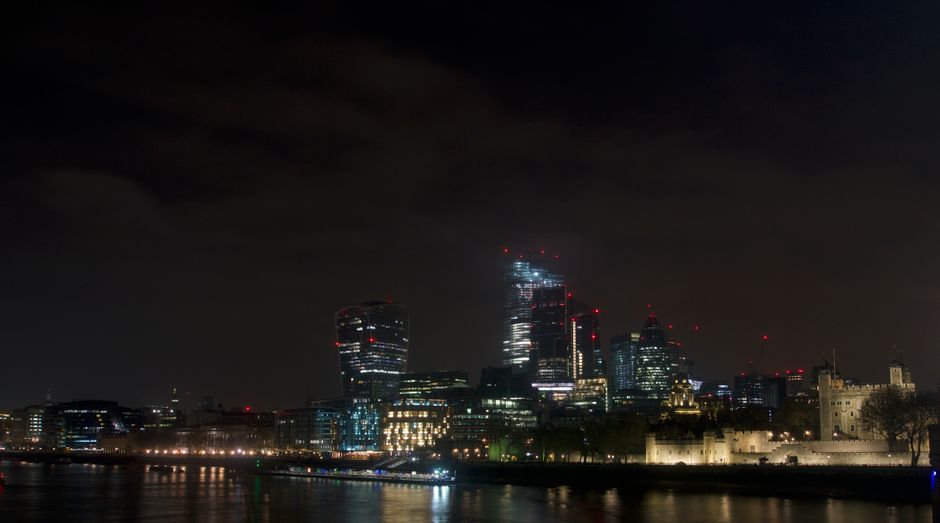
Walk through Southbank Centre on any given evening this summer and you'll witness something quietly revolutionary: London's festival season has stopped being a collection of discrete events and become a continuous assertion of who this city actually is.
The numbers tell part of the story. Greater London Council data shows festival attendance has grown 34 per cent since 2022, with over 2.8 million visits to major cultural events expected across 2026. But the real shift is qualitative. The festivals happening now—from the Barbican's month-long digital arts programme to Printworks' immersive installations in Hackney Wick—are no longer importing templates from elsewhere. They're defining London on London's terms.
Consider the geography. While the South Bank remains a cultural anchor, the city's creative identity is increasingly polycentric. Shoreditch and Dalston have become genuine rivals to the West End, with independent venues like Roundhouse in Camden and smaller theatres in Islington commanding audiences that once automatically gravitated south. The Night Time Industries Association notes that out-of-centre cultural spending now accounts for 41 per cent of London's creative economy—a dramatic rebalancing from five years ago.
What's particularly striking is the fusion happening at street level. Street art walks in Leake Street now feed directly into formal gallery programming. The Notting Hill Carnival, though technically August, casts its anticipatory shadow over June's smaller neighbourhood festivals, establishing a clear cultural hierarchy that prioritises community voices. Meanwhile, the Pride festivities anchored around Christopher Isherwood Way have expanded to reflect London's evolving understanding of identity itself—less monolithic parade, more distributed celebration across multiple venues in Soho, King's Cross, and Vauxhall.
Programming costs reveal another truth: £850 tickets for West End theatre productions sit alongside £15 festival fringe performances, creating genuine cultural democracy. Arts Council England figures show that 63 per cent of London festival-goers earn under £35,000 annually—evidence that the calendar is serving actual Londoners, not just tourists.
The festivals also function as a form of collective memory-making. In an era of political uncertainty and demographic churn, these events stake claims about what Londoners believe in. LGBTQ+ visibility, racial equity, ecological consciousness, experimental art—the summer calendar reads like a manifesto for the city's self-understanding.
By autumn, we'll have attended dozens of festivals. What matters is that we'll have done so as participants in something larger: the ongoing construction of London's identity. The city isn't simply hosting events anymore. It's using them to tell itself who it is.
This article was compiled by AI from the sources linked above and screened before publishing. See our editorial standards.
About this article
Published by The Daily London
Spread the word
Daily brief
Free, in your inbox before 7am. Weekdays.
The Daily Network — independent news worldwide