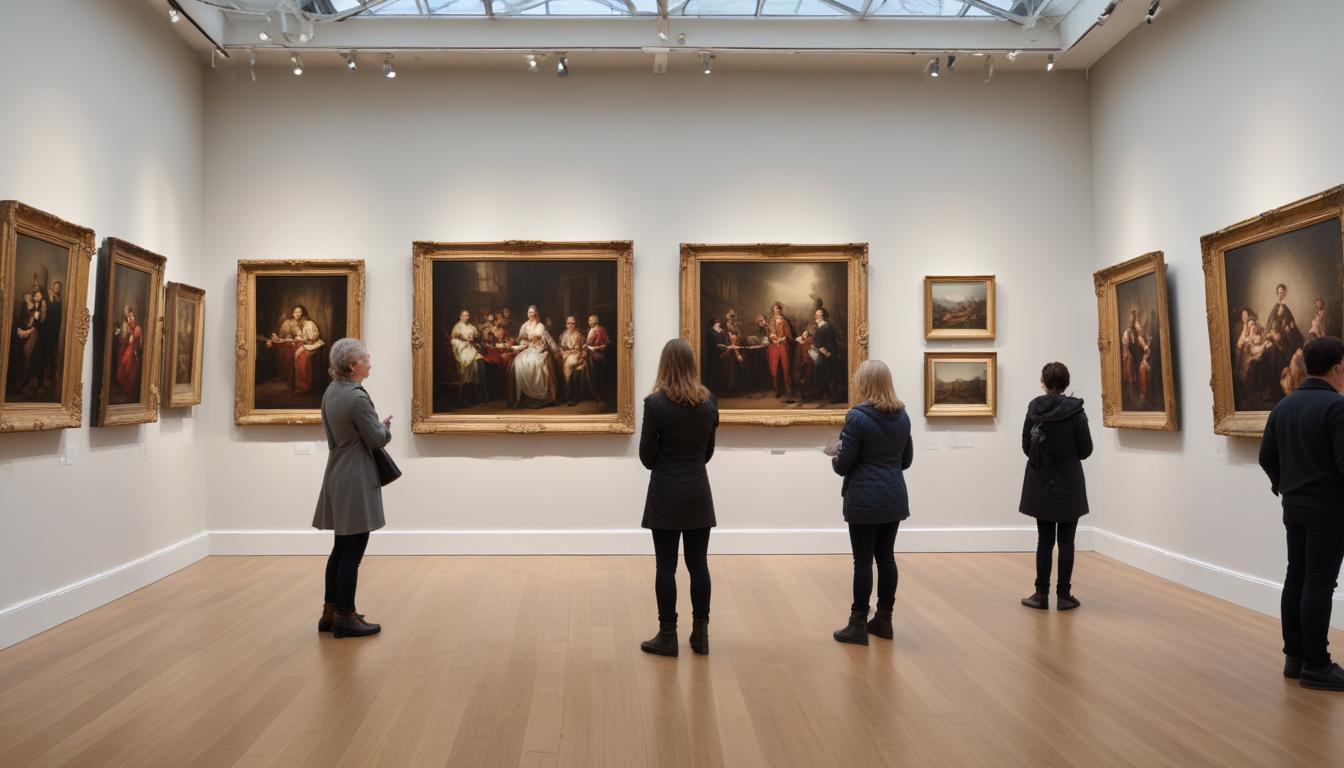
London's cultural institutions punch well above their weight on the global stage, attracting over 50 million gallery and museum visits annually. But navigating the capital's sprawling art world requires strategy—especially given the sheer density of world-class venues clustered across distinct neighbourhoods.
The South Kensington corridor remains the heavyweight champion. The British Museum on Great Russell Street draws nearly 8 million visitors yearly, though many queue for hours without advance booking. A smarter move: secure a timed entry slot online beforehand. The adjacent National Gallery on Trafalgar Square houses works by Caravaggio, Botticelli and Rembrandt—all free to view. Just north, the Wallace Collection on Manchester Square offers intimate galleries with lesser-known Old Masters, plus fewer crowds than its institutional cousins. Entry is free, though donations are encouraged.
For contemporary work, Shoreditch has emerged as the East London alternative. White Cube's flagship space on Bermondsey Street showcases established names, while smaller independent galleries dot the railway arches under Brick Lane, where experimental installations and emerging artists command attention. Prices vary wildly—expect £8-15 for commercial gallery entry, though many spaces are free.
The Barbican Centre on Silk Street remains essential for cross-disciplinary programming: contemporary art exhibitions sit alongside theatre, music and film. Its current summer slate combines visual works with performance pieces. Admission to the galleries runs £15-20, with combined tickets available.
A practical primer: most major institutions now offer digital guides and augmented reality experiences via mobile apps, reducing the need for bulky printed materials. South Kensington's triumvirate—the British Museum, V&A and Natural History Museum—can consume an entire day if you're thorough; visit during weekday mornings to avoid weekend queues that regularly stretch beyond an hour.
The Tate duo deserves dedicated visits. Tate Britain on Millbank focuses on British art across five centuries, while Tate Modern in a converted Bankside Power Station showcases international contemporary work. Free entry to permanent collections makes both exceptional value; both operate shuttle boats along the Thames between locations.
Finally, emerging venues merit investigation. Saatchi Gallery in Chelsea, Whitechapel Gallery in Aldgate, and smaller independent spaces across Bethnal Green showcase tomorrow's collectors' priorities today. Many charge £10-12 admission, though opening hours vary seasonally.
Book ahead, visit during quieter weekday afternoons, and mix canonical institutions with nimbler contemporary spaces. London's art ecosystem rewards curiosity over guidebook compliance.
This article was compiled by AI from the sources linked above and screened before publishing. See our editorial standards.