From Music Halls to Digital Stages: How London's Performing Arts Scene Reinvented Itself
A century of transformation has taken London's theatre district from Victorian splendour to a thriving ecosystem of experimental venues, pop-ups, and immersive experiences.
This article was generated by AI from the linked public sources. The Daily London is independently owned and covers London news free from advertiser or sponsor influence. Read our editorial standards →
Walk down Drury Lane today and you're treading on the same cobbles where Victorian audiences queued for the Lyceum Theatre in the 1880s. Yet the performing arts landscape surrounding that historic stretch—and across London broadly—bears little resemblance to the rigid, class-stratified world of a century ago. The evolution from that era to now tells a story of reinvention, near-collapse, and unexpected resilience.
The West End's golden age, centred on Shaftesbury Avenue and Theatre Royal Drury Lane, dominated London's cultural life through much of the twentieth century. But by the 1970s, as cinema and television siphoned audiences away, many venues faced closure. What saved London's theatrical heart wasn't nostalgia—it was radical democratisation. The arrival of fringe theatre in converted warehouses across Islington and Hackney in the 1980s, alongside subsidised venues like the National Theatre and Royal Shakespeare Company, created a two-tier system that persists today: commercial West End productions alongside experimental, often ticket-cheaper alternatives.
The numbers reflect this shift. Pre-pandemic, London's theatres collectively generated around £1.3 billion annually, yet fewer than half of those revenues came from the West End proper. Southbank Centre, encompassing the Royal Festival Hall and Queen Elizabeth Hall, emerged as the capital's cultural anchor following the 1951 Festival of Britain. By the 2020s, it was hosting 2 million visitors yearly, blending theatre, music, dance, and visual art in ways unimaginable to Victorian impresarios.
The pandemic, paradoxically, accelerated evolution rather than halting it. Venues like the Young Vic in Waterloo and the Almeida in Islington pivoted to streaming; many discovered that digital performance could reach audiences far beyond their red-velvet seats. Today, that hybrid model—simultaneous in-person and online offerings—remains standard. Ticket prices have become contentious: West End shows regularly exceed £50, yet the proliferation of £15-20 preview performances and subsidised fringe venues in Soho Theatre and Bush Theatre keeps live performance accessible.
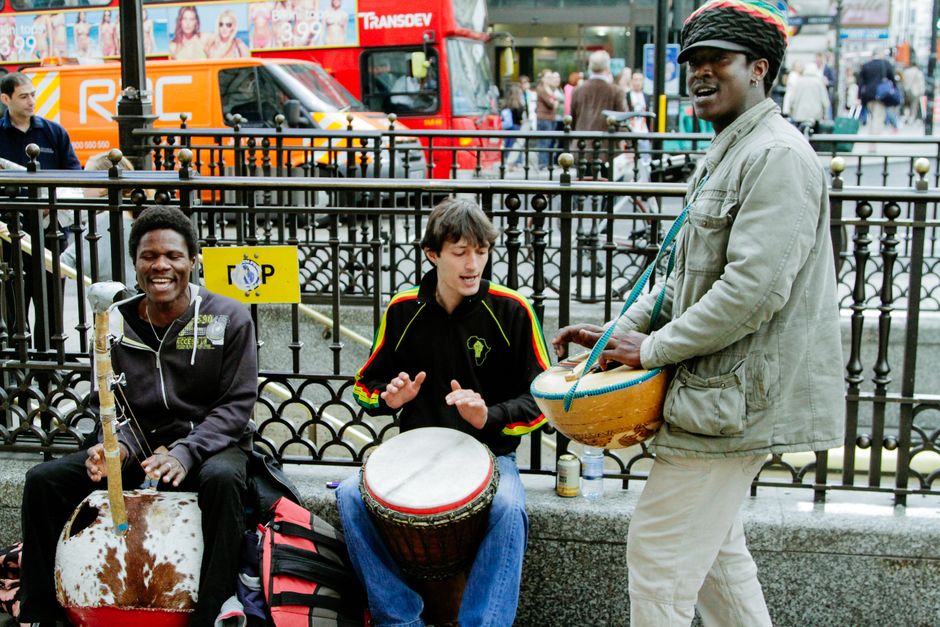
Perhaps most significantly, the geographic centre of gravity has shifted. While the West End remains economically dominant, artistic innovation now clusters across multiple neighbourhoods. The Barbican Estate hosts cutting-edge dance; Sadler's Wells remains Europe's pre-eminent dance venue; Borough and Southwark have become hotspots for immersive theatre. This decentralisation represents London's performing arts coming of age—no longer dependent on a single geographic or economic model, but sustained by a genuinely plural ecosystem that encompasses everything from Shakespeare's reconstructed Globe to pop-up performances in railway arches.
This article was compiled by AI from the sources linked above and screened before publishing. See our editorial standards.
Covering culture in London. This article was generated by AI from the linked sources and was not reviewed by a human editor before publishing. See our editorial standards.