Walk down Brick Lane on any Saturday and you'll encounter a paradox that defines contemporary London. Victorian warehouses—once industrial arteries, then squatter havens, then galleries—now house independent bookshops, textile studios, and experimental theatres. This isn't heritage frozen in aspic. It's heritage actively remade.
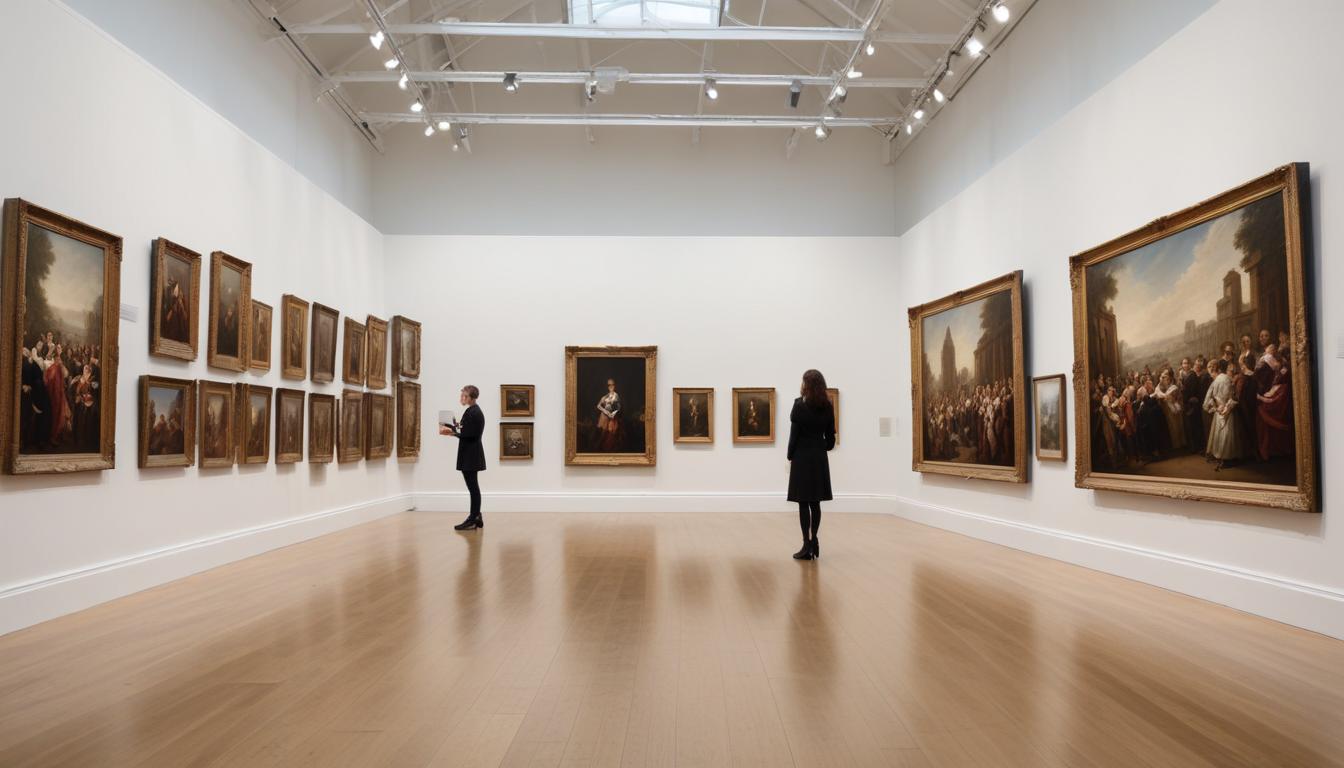
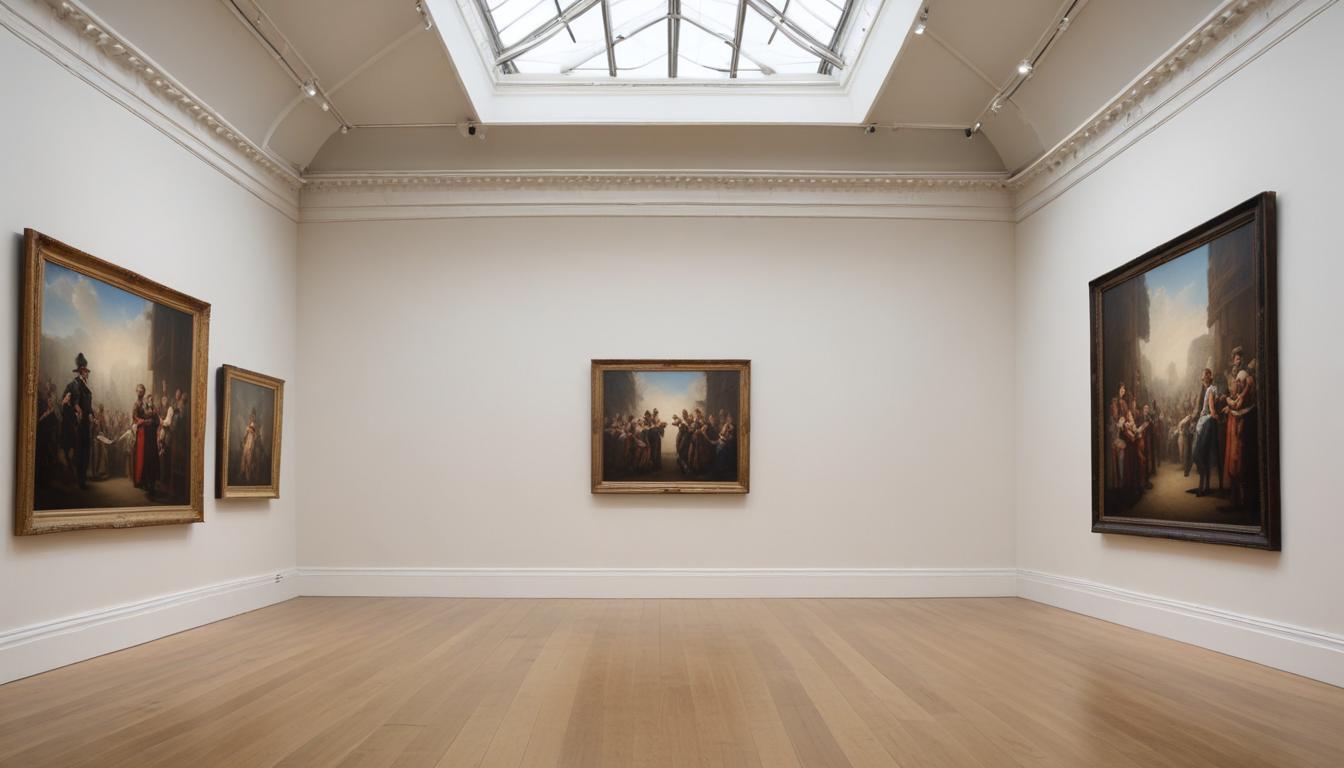
The transformation reflects a broader truth: London's creative identity in 2026 is increasingly built on consciously excavating and reimagining what came before. The Barbican Centre's recent focus on post-war East End photography; the Geffrye Museum's redesignated focus on domestic histories from communities across seven centuries; the sprawling archival projects at the Bishopsgate Institute—these aren't nostalgic exercises. They're creative fuel.
"Local history isn't decorative," says the heritage sector broadly. Museums report visitor numbers climbing steadily—the Museum of London Docklands now draws 350,000 annually—as Londoners seek grounding in an increasingly fractured city. But the real action happens beyond institutional walls.
In Peckham, young creatives have transformed the archive culture into participatory projects. Southwark's Community Libraries network—some charging under £2 for local history workshops—have become unexpected creative hubs where residents, artists, and researchers collide. Neighbourhood groups in Hackney and Waltham Forest are digitising oral histories, creating layered maps of arrival, displacement, and belonging that inform everything from theatre productions to public art commissions.
This matters because London's cultural output has historically struggled with a paradox: global reach, local rootlessness. The city exports music, theatre, and fashion globally while too often treating its own neighbourhoods as backdrops rather than sources. That's shifting. Young choreographers working in Stratford draw explicitly from the area's postwar Caribbean migration stories. Independent publishers across Clerkenwell are archiving overlooked literary histories from immigrant communities. Street artists in King's Cross reference the area's queer activism legacy in their work.
The economic stakes are real too. Heritage tourism contributes roughly £15 billion annually to London's economy, but increasingly, visitors and residents alike want depth over monuments. They want stories that explain how Shoreditch became Shoreditch, why Dalston's character shifted, what Bengali Street actually means. That appetite creates space—and justification—for sustained investment in local archiving, community curation, and heritage interpretation that centres diverse voices.
By 2026, London's most compelling cultural work isn't happening despite the city's layers of history. It's happening because of them. The past, properly understood, has become the present's most vital creative resource.
This article was compiled by AI from the sources linked above and screened before publishing. See our editorial standards.