Access for All: The Community-Led Movement Rethinking London’s Culture
With the cost of living still biting, grassroots collectives and independent venues are stripping away ticket barriers across the capital.
3 min read
With the cost of living still biting, grassroots collectives and independent venues are stripping away ticket barriers across the capital.
3 min read
Londoners woke up this morning to a city where the price of entry is increasingly becoming a voluntary contribution. From the brutalist corridors of the Barbican to the repurposed warehouses of Peckham, a quiet but firm movement is dismantling the paywall culture that defined the last decade of the capital’s arts scene.
Economic pressure is the primary catalyst. With London’s core inflation figures still hovering around the 3.5 percent mark, many residents have been priced out of traditional leisure. In response, a coalition of independent curators, artist-run spaces, and community land trusts have moved to reclaim the city’s public-facing cultural output. This shift isn't about charity; it’s about a fundamental redefinition of the city as a shared resource rather than a commercial product.
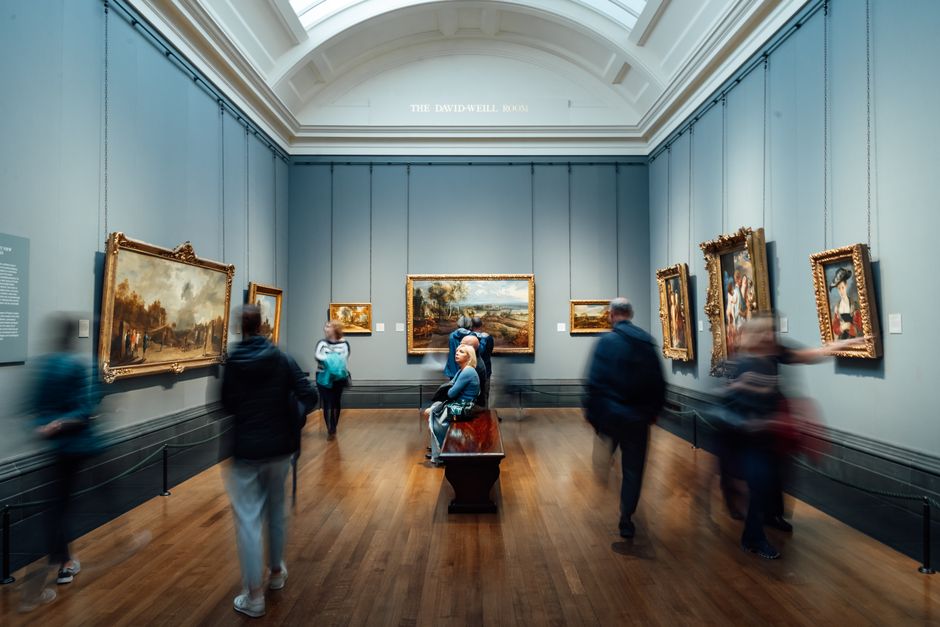
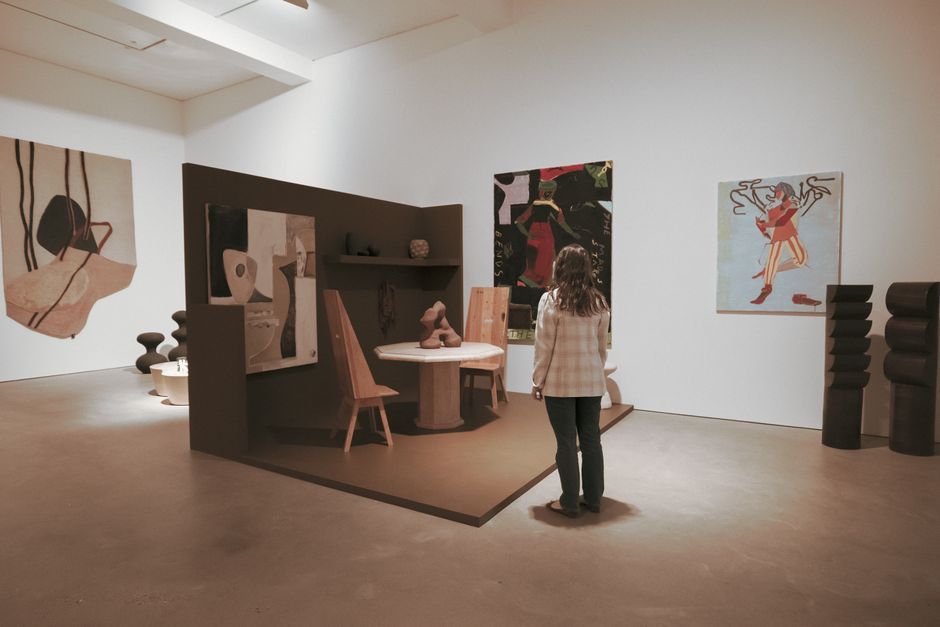
The transformation is most visible in districts like Bermondsey and Dalston. The 'Open Doors Collective,' a network of 42 artist studios, launched their summer 'Pay-What-You-Can' initiative this week. Visitors to their current exhibition on Maltby Street can view works by local painters without the standard £15 entry fee that would have applied last year. This aligns with the mission of venues like The Free Word Centre, which has doubled its schedule of open-access literary salons since January.
Financial data from the Mayor of London’s Cultural Recovery Fund shows a 22 percent increase in grant applications that specifically mandate a 'zero-cost' access tier. The shift is tactical. By removing ticket barriers, these organisations report a 40 percent rise in foot traffic during weekday afternoons. For the small businesses surrounding these venues, such as the bakeries on Druid Street or the coffee shops near Ridley Road Market, the increased circulation of residents provides a necessary boost to local trade.
Participation in this movement requires a bit of local navigation. Many of the best experiences are now found on curated platforms like the 'London Free Map,' an independent digital guide updated weekly by volunteers. This afternoon, the Serpentine Gallery in Kensington Gardens is hosting a series of un-ticketed artist talks, a direct response to the community-led demand for non-transactional cultural engagement.
For those looking to engage today, the advice from local organizers is to look beyond the major West End box offices. Check the daily feeds of the 'Community Culture Network' via their Telegram channel for last-minute, donation-based performances. If you are near Soho or Fitzrovia, drop into the smaller galleries on Gresse Street; many have abandoned their appointment-only policies in favor of open-door hours from 11:00 AM to 6:00 PM. As the heatwaves continue to make enclosed, expensive spaces less attractive, the city’s move toward open-air, low-cost community engagement is proving to be more than a trend—it is a necessity for a functional, vibrant London.
About this article
Published by The Daily London
Spread the word
Daily brief
Free, in your inbox before 7am. Weekdays.
Before you go
The day's London news in a 2-minute read. Free, weekday mornings.