This article was generated by AI from the linked public sources. The Daily London is independently owned and covers London news free from advertiser or sponsor influence. Read our editorial standards →
London’s outdoor event season has effectively ground to a halt this July. By 10:00 a.m. today, authorities in Greenwich and Lambeth confirmed the cancellation of four major public celebrations due to the extreme heatwave pushing temperatures toward 36 degrees Celsius. This sudden shift away from open-air festivals marks a permanent change in how the capital manages its creative identity, moving from the chaotic spontaneity of street-level gatherings to a rigid, climate-controlled model.
The Cost of Indoor Conversion
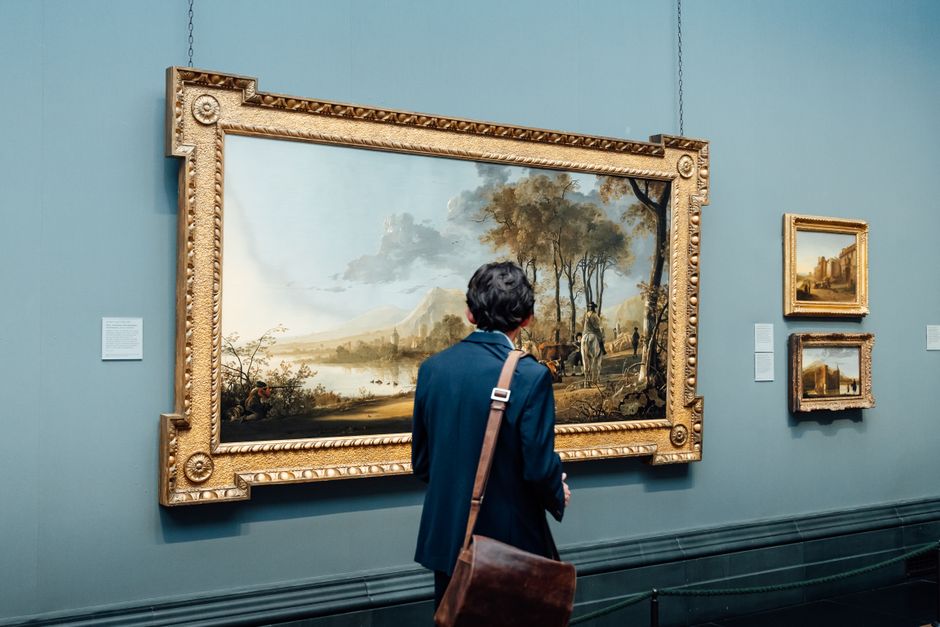
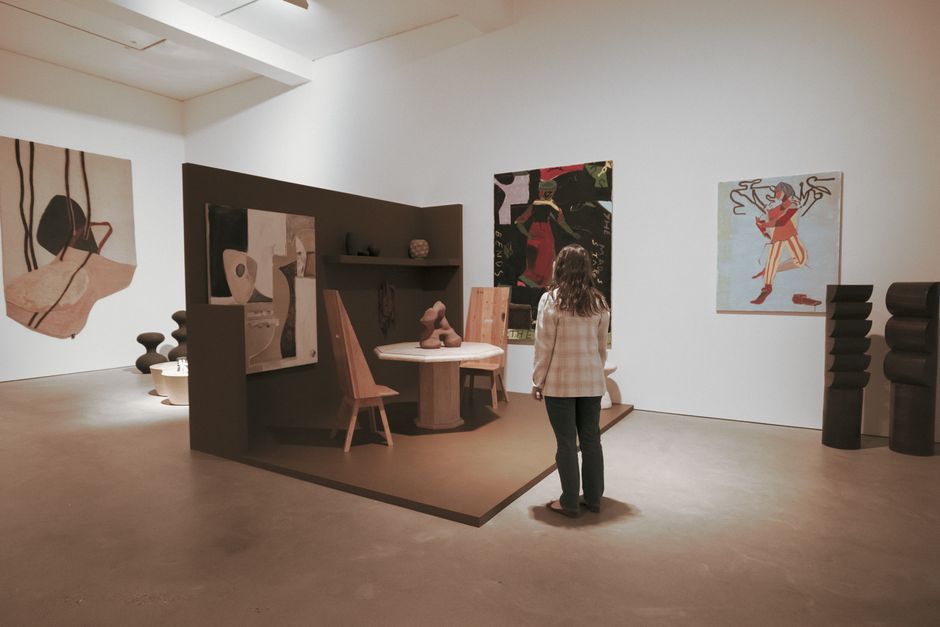
The city's cultural leaders are now pivoting toward permanent gallery spaces and retrofitted industrial venues. At the Barbican Centre, curators have expedited a shift toward long-term, interior-focused installations to offset the loss of revenue from canceled park-based events. The Southbank Centre has announced a 40% increase in bookings for its air-conditioned foyer spaces, prioritising climate-resilient programming over traditional riverside performances. This is not merely a reaction to the weather; it is a financial recalibration of the city’s summer economy.
Data from the Greater London Authority suggests that large-scale outdoor events contributed roughly £1.2 billion to the local economy in 2025. This year, that figure is projected to drop by at least 25% if current heat advisories persist through the end of the month. Tickets for major indoor exhibitions in Shoreditch and Mayfair have seen a corresponding price hike of £15 on average, as venues pass on the cost of running industrial-grade cooling systems and increased insurance premiums for high-occupancy events.
A New Aesthetic for the Capital
The aesthetic of a London summer is changing in real-time. Where once the sound of steel drums on Portobello Road defined the mid-year pulse, the city is now defined by the hum of cooling units and the quiet concentration of indoor digital art galleries. The Victoria and Albert Museum has become a sanctuary, reporting record-breaking foot traffic as visitors abandon the scorched asphalt of Exhibition Road for climate-managed collections.
This reliance on internal spaces creates a divide in accessibility. Community-run arts programs in boroughs that lack significant public infrastructure are struggling to find indoor alternatives, threatening to hollow out the grassroots scene that once defined the city’s creative output. As we move into the second week of July, organisers are advising ticketholders to check the 'London Summer Status' portal on the city’s official website before travelling. If the heat persists, the rest of the 2026 calendar will likely be forced into the shadows of the city’s vast, subterranean, and air-cooled archives.
Covering culture in London. This article was generated by AI from the linked sources and was not reviewed by a human editor before publishing. See our editorial standards.