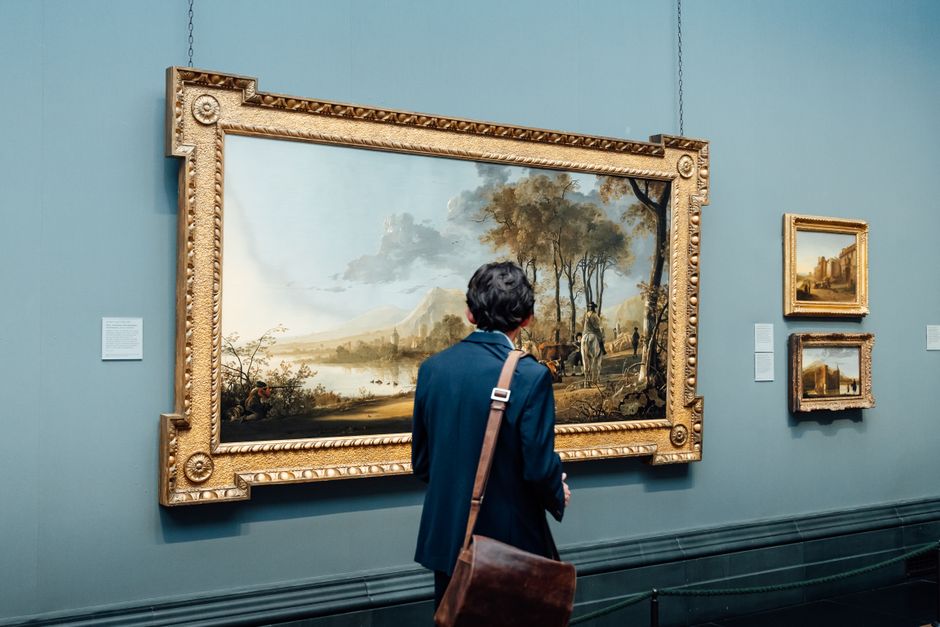
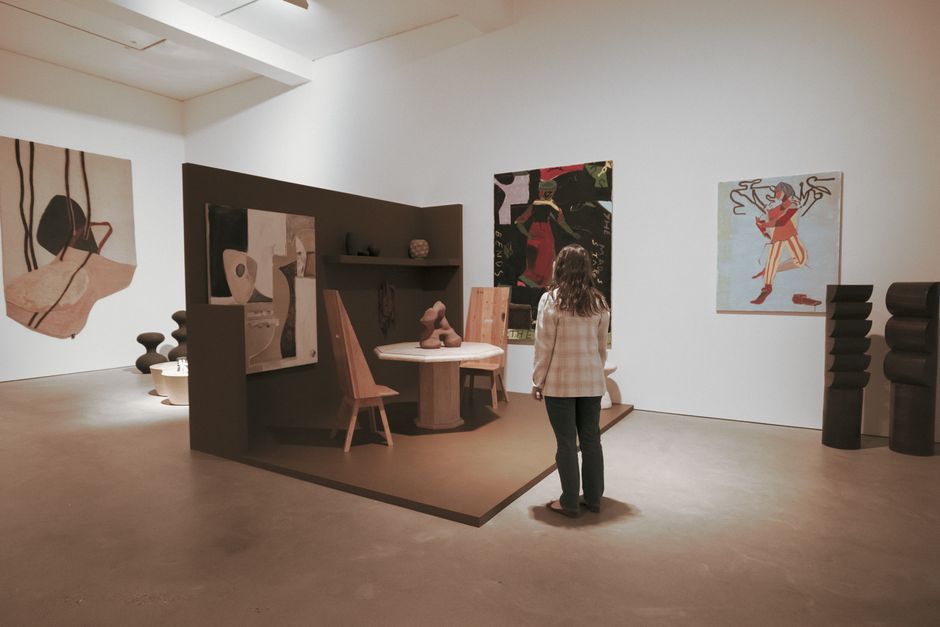
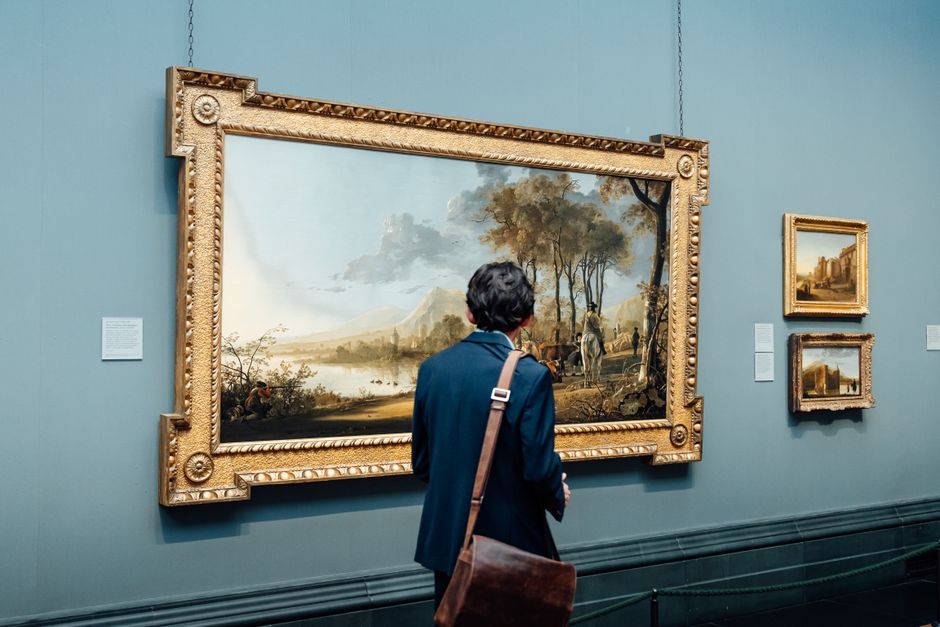
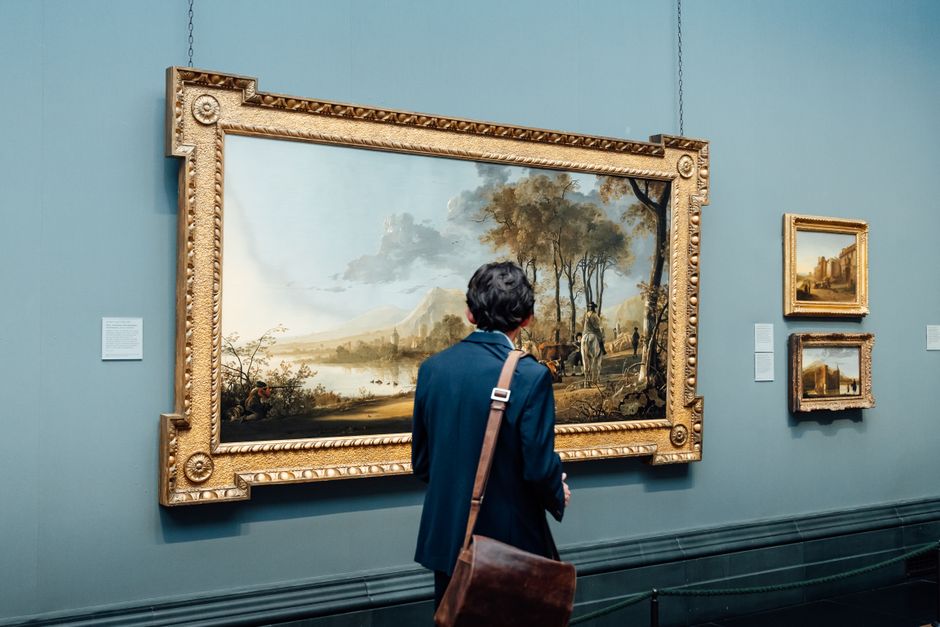
London's free cultural offerings don't materialise by accident. On a sweltering Saturday like today—when temperatures have cancelled Fourth of July celebrations in American cities from Washington DC to Philadelphia—the city's network of museums, galleries and public spaces remain open precisely because a constellation of underfunded organisations and volunteer teams have spent months negotiating with councils, fundraising for basic operations, and cobbling together programming on budgets that would shame most private institutions.
The Barbican Centre in Silk Street charges nothing for access to its foyer and circulation spaces, where exhibitions rotate quarterly. Tate Modern offers free entry to permanent collections across all five floors of its converted power station in Southwark, drawing 5.8 million visitors annually according to its last published figures. These are the marquee names. But the real infrastructure of free culture runs through smaller venues that few Londoners name first: the Whitechapel Gallery in Aldgate, which charges no admission despite mounting a comprehensive contemporary art programme; the Institute of Contemporary Arts on The Mall, where £3.50 buys a day pass; the City of London Corporation's free open-air concert series that runs through summer parks across the Square Mile.
The Money Question Nobody Asks
All of this costs money. The Arts Council England distributed £1.5 billion across the sector in the 2024-25 financial year—a figure that sounds substantial until divided among 900-plus regularly funded organisations. Major institutions like the National Gallery and the British Museum benefit from endowments and government grants that dwarf the per-visitor spending available to smaller galleries. The South London Gallery, which operates on a £1.2 million annual budget and serves the Peckham area, relies on a combination of Arts Council funding, private donations, and revenue from ticketed evening events to subsidise its free daytime programming.
Organisers working in London's secondary tier of cultural venues describe the calculus plainly. Keep entry free and expand audience reach. Charge for special events—late-night openings, talks, workshops—to bankroll the free programming. Recruit volunteers relentlessly. Accept that staffing levels will remain tight. The Wellcome Collection in Bloomsbury, which receives substantial funding from the Wellcome Trust but operates its permanent galleries without admission charges, employs roughly 90 full-time staff across all departments. Compare that to a mid-sized independent gallery in Bethnal Green or Shoreditch, which might field a director, two part-time curators, and a rotating roster of four or five volunteers.
Why This Matters Right Now
Global tourism patterns have shifted markedly since earlier this year. As travel restrictions tighten in some regions and discretionary spending contracts elsewhere, London's cultural attractions face unpredictable footfall. The Museum of London, which moved from the Barbican to a new purpose-built venue in West Smithfield in 2024, designed its operating model assuming consistent visitor numbers in the 200,000-plus range. Free entry removes price as a barrier during uncertain economic periods. It also repositions London's cultural sector as accessible infrastructure rather than luxury commodity.
The practical reality is that most Londoners—and most tourists choosing between cities this summer—will never know the names of the people who keep these spaces functioning. Programme managers at smaller venues work under perpetual deadline pressure. Development officers spend hours pursuing grant applications with acceptance rates hovering around 15 percent. Volunteer coordinators build community programming by cold-calling local schools, community centres, and arts groups. None of this appears on promotional materials or exhibition announcements.
If you're looking for something free to do in London today, the advice remains straightforward: check individual venue websites for today's hours and any special closures due to heat. Many institutions adjust summer hours to open earlier and close earlier, avoiding peak afternoon temperatures. Outdoor spaces—the Serpentine galleries in Hyde Park, the sculpture courts at the National Gallery's surrounding plazas, the open terraces at South Bank—operate independently of air-conditioned buildings. The people who programmed these spaces, hired the staff, and convinced councils to allow them to remain free did so knowing that access, not revenue, was the primary measure of success.