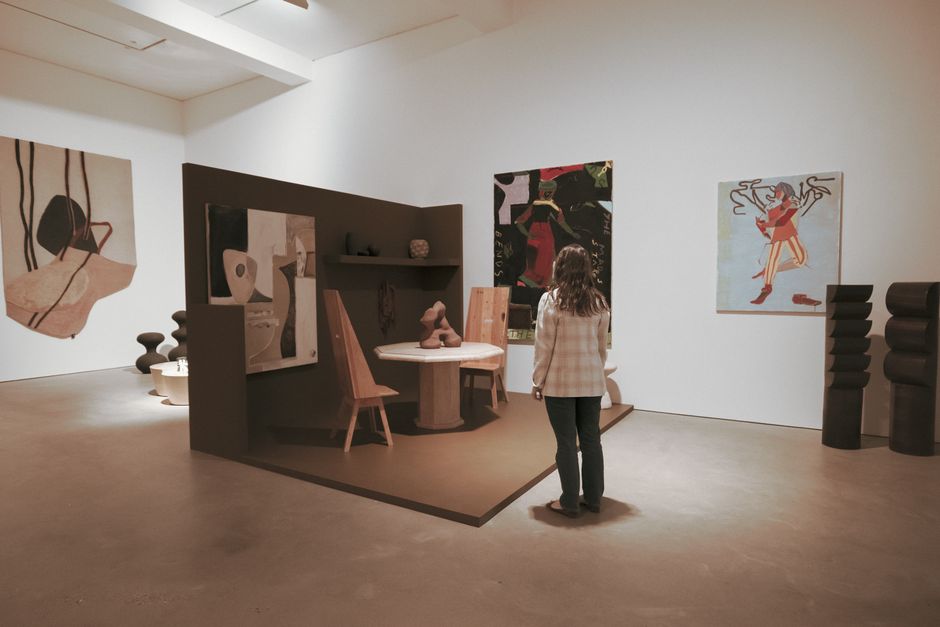
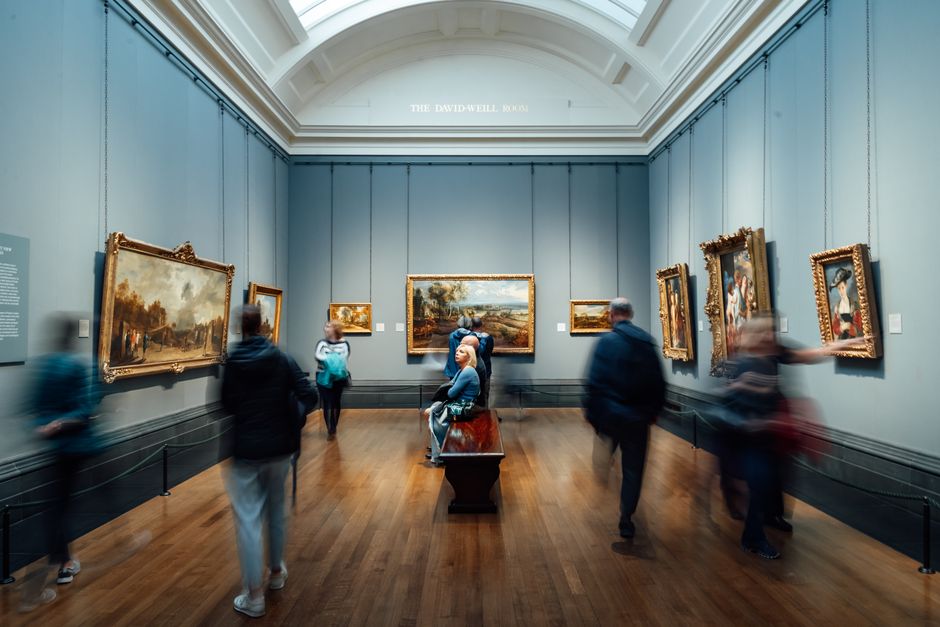
London saw a remarkable turnout this weekend as free cultural events, ranging from art exhibitions to music performances, drew thousands across the city. This surge in no-cost cultural programming reflects a growing movement spearheaded by community groups and local organisations committed to accessibility and inclusivity in the arts.
In a city where admission prices to galleries and theatres often soar above £15 per ticket, the rise of free cultural activities addresses urgent concerns about economic inequality and aims to keep London’s vibrant arts scene alive and open to all residents. With inflation hovering around 7% in June, many Londoners face financial pressures that limit their participation in paid cultural activities, pushing the demand for alternative, free offerings.
Community-led Initiatives Plant Roots Across Neighbourhoods
Institutions like The Trampery on Old Street are hosting open studio days free to the public, showcasing emerging artists and inviting dialogue without a price barrier. Meanwhile, the Southbank Centre continues its longstanding annual "Festival of the Free," featuring free concerts, poetry readings, and workshops, serving as a vital hub on the Thames for diverse audiences. The collective effort stretches beyond centrally located venues: in Tottenham, the Bread and Roses community centre organises free weekly film nights and theatre workshops aiming to reconnect residents after years of social fragmentation.
Behind these events is a network of volunteers and local activists who champion cultural access as a fundamental right, not a luxury. Organisations such as London Cultural Commons and Art Not Adds have mobilised hundreds of volunteers this year, securing funding from grassroots crowdfunding and small-scale grants to keep experiences free without sacrificing quality.
Data Underscores a Shift Toward Cultural Equity
According to City Hall figures released in May, free cultural events in London increased by 25% between 2024 and 2026, with attendance figures rising to an estimated 1.3 million participants citywide last year. This is a significant uptick given the slight decline in paid attendance reported by major venues, which many attribute to rising living costs. Notably, 60% of participants in these free events are from boroughs with median incomes below the London average of £38,700, indicating a positive reach into less affluent communities. The Mayor’s Culture Strategy, refreshed this spring, also signals commitments to foster ‘a city where culture is free and accessible where possible,’ allocating an additional £5 million for community arts funding over the next two years.
Industry insiders note that this movement is also redefining how cultural success and impact are measured, shifting focus from ticket sales to social inclusion, community engagement, and sustainable funding models.
For Londoners keen to take part, upcoming opportunities abound: the monthly Hackney Community Arts Fair on Charlotte Road offers free workshops starting July 10, while the Greenwich Thames Festival will feature a weekend of free outdoor concerts on September 12-13 along the riverfront. Many of these events operate on a drop-in basis, removing barriers of registration or prior experience.
As London's free cultural scene gathers momentum, it’s clear this is more than a series of isolated events—it represents a grassroots call for a more equitable, participatory cultural future that truly belongs to every corner of the metropolis.