London’s Mid-Summer Pulse: The story behind the scene and the people who created it
While international headlines focus on crises in Monaco and Tehran, London’s independent cultural producers are staging a defiant return to the streets.
3 min read
While international headlines focus on crises in Monaco and Tehran, London’s independent cultural producers are staging a defiant return to the streets.
3 min read
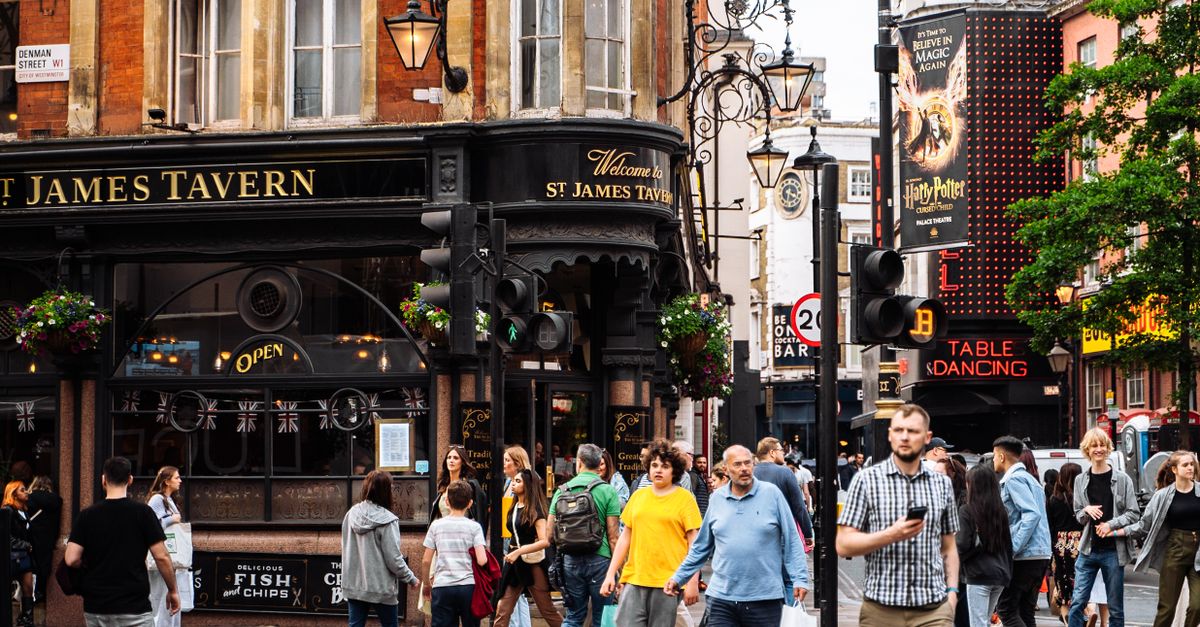
This weekend, the Southbank Centre and the nomadic creative collective known as 'The Concrete Bastion' will open the gates to the third annual Thames Fringe Festival. Despite a summer marked by record-breaking heat waves and regional instability, organisers have cleared the necessary permits for 42 distinct performances spanning from Waterloo Bridge down to the OXO Tower. The focal point is a kinetic sculpture installation titled 'Low Tide/High Hope,' constructed entirely from reclaimed plastic recovered from the river during the May cleanup operations.
Planning for this event began in October, long before the current climate of anxiety pushed outdoor programming to the brink. Sarah Jenkins, the logistics lead for the Borough of Lambeth’s Arts Council, spent six months coordinating with the Port of London Authority to ensure safety protocols for a predicted crowd of 15,000. The primary hurdle was not talent, but heat mitigation. With 2026 climate modelling predicting a peak of 34 degrees Celsius on Saturday afternoon, the organisers have retrofitted three permanent water refilling stations along the Queen’s Walk and invested £12,000 into high-capacity industrial cooling fans housed within the main performance tents.
Behind the scenes, the story is one of sheer persistence. The core production team, a group of 14 freelance technicians and stage managers, has operated on a shoestring budget of £85,000—a figure that would have seemed modest before the inflation spikes of early spring. By partnering with independent craft breweries in Bermondsey to sponsor the vendor stalls, they have managed to keep entry prices at a fixed £5, ensuring that the event remains accessible despite the rising cost of event insurance, which has ballooned by 22% since last July.
Local businesses are betting heavily on the foot traffic. 'The Anchor' pub in Bankside has extended its service hours until 1:00 AM for the Saturday night finale, a move the manager says is essential to recoup losses sustained during the transport strikes of June. The event is more than a concert; it serves as a litmus test for London’s ability to host mass gatherings during a period of heightened security alerts. The Metropolitan Police have confirmed a visible presence, though they have agreed to keep the security perimeter 'light-touch' to preserve the festival’s intimate, neighbourhood character.
For those attending, the advice from the organisers is practical: hydrate early and use the Jubilee line to access the site, as road closures are already in effect around Belvedere Road. If the forecast holds, the Sunday evening headline act—a 40-piece brass ensemble from the Royal Academy of Music—will perform as the sun sets over the Houses of Parliament. It is a calculated act of normalcy in a year that has felt anything but. Should you find yourself near the river, the first workshops begin at 10:00 AM on Saturday, and the site map is currently live on the Lambeth municipal portal for those planning their routes.
About this article
Published by The Daily London
Spread the word
Daily brief
Free, in your inbox before 7am. Weekdays.
Before you go
The day's London news in a 2-minute read. Free, weekday mornings.