A Weekend of Resilience: How These London Events Are Defining the City’s Creative and Cultural Identity
From Southbank installations to independent gallery pop-ups, London’s cultural calendar this weekend proves the capital is prioritizing local narrative over global spectacle.
This article was generated by AI from the linked public sources. The Daily London is independently owned and covers London news free from advertiser or sponsor influence. Read our editorial standards →
London’s cultural pulse is shifting away from the hyper-commercialized festivals of previous years, settling instead into a more localized, community-focused rhythm this Fourth of July weekend. As the mercury climbs and traditional outdoor programming falters elsewhere, the capital is hosting a series of indoor and adaptive cultural events that emphasize the city’s post-pandemic reliance on neighborhood-level artistic identity.
The Pivot to Hyper-Local Curation
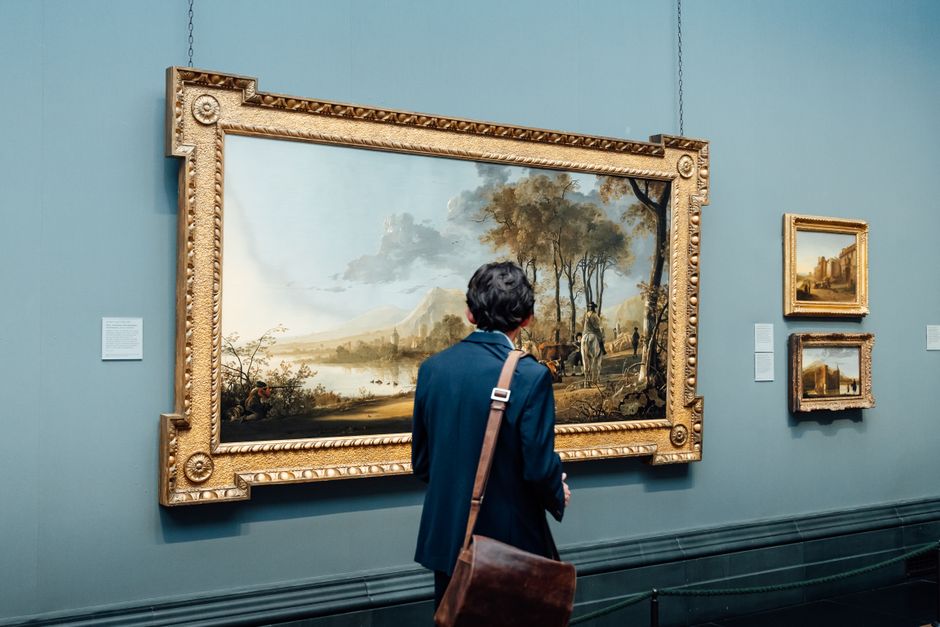
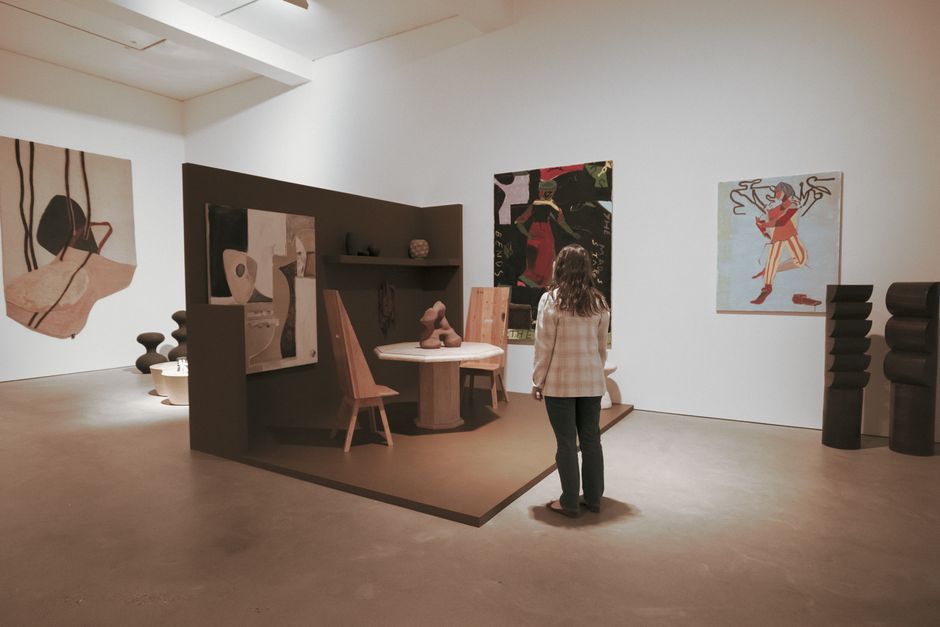
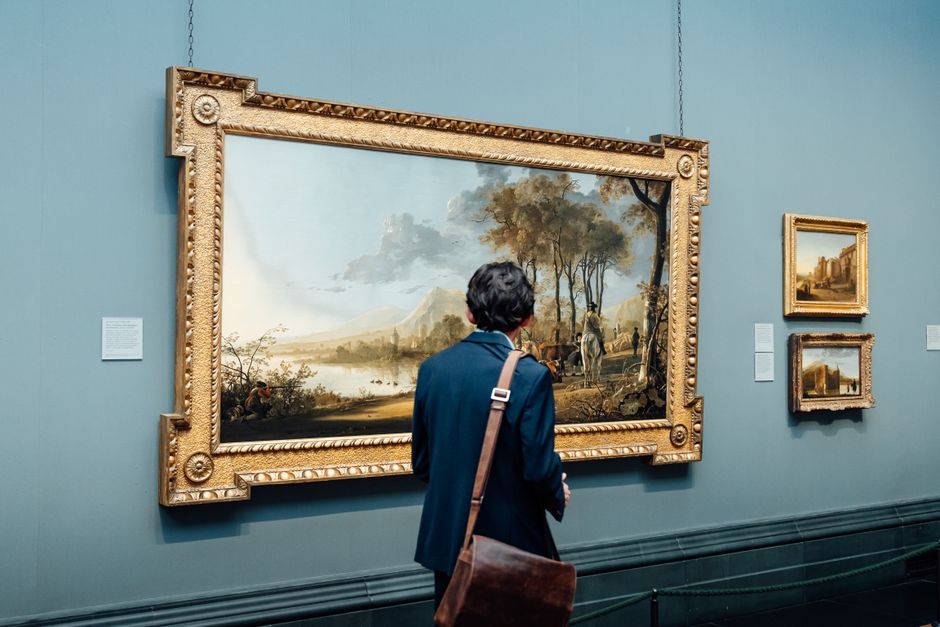
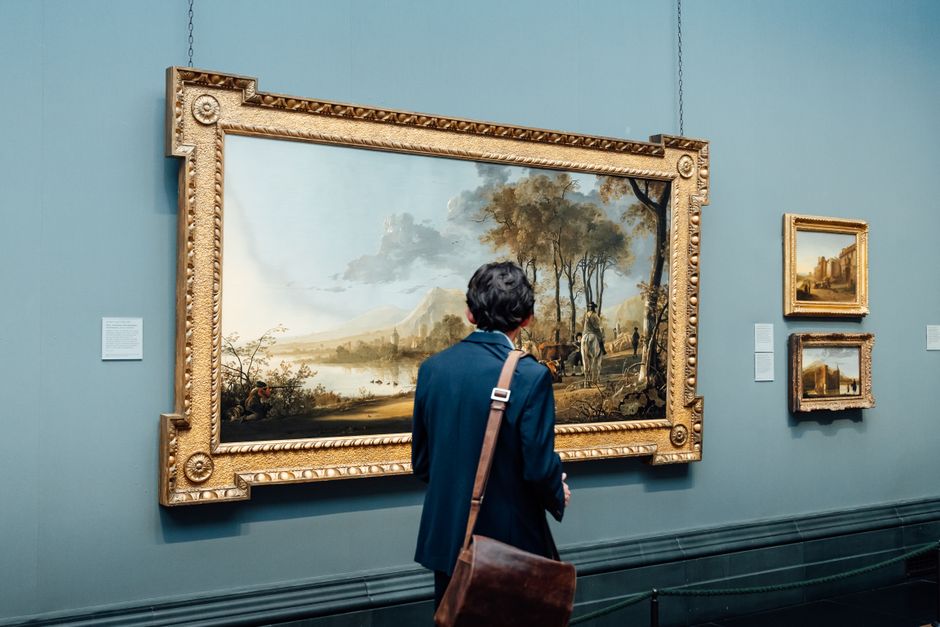
The Royal Festival Hall and the surrounding Southbank Centre complex have pivoted their programming strategy to focus heavily on domestic talent, prioritizing London-based collectives over international touring acts. This weekend’s 'Metropolitan Voices' exhibition, curated by the London Arts Forum, occupies three galleries in the Hayward Gallery and features work exclusively from artists residing within the M25. The shift is unmistakable; by focusing on the grit and specific geography of boroughs like Tower Hamlets and Lambeth, these institutions are moving toward a model where the venue acts as a community anchor rather than a neutral gallery space.
This sentiment is echoed in Peckham, where the Bussey Building and the neighboring Copeland Park complex are hosting an independent print fair. Unlike the high-entry-fee art fairs that dominated the city a decade ago, these stalls are charging entry fees of £5—or nothing at all—making participation accessible to a wider demographic. The focus here is on tangible craft: zines, screen prints, and small-batch textiles that reflect the aesthetic of South East London’s creative ecosystem.
Economic Realities and Creative Sustainability
The numbers reveal a tightening of the belt, but also a hardening of resolve. According to data from the Greater London Authority’s cultural audit, public funding for community-led art projects has seen a 12% reduction in real terms since 2024. Despite this, ticket sales for independent, venue-led events in Hackney and Walthamstow have surged by 18% over the last quarter. This data suggests that Londoners are increasingly voting with their wallets for local creative goods rather than expensive, big-ticket imports. The average spend on a Saturday night out in the city has dropped to £64 per person, as patrons trade expensive West End dinners for street food markets and ticketed underground performances.
For those looking to engage with the city’s shifting identity this weekend, skip the crowded tourist hubs in Leicester Square. Instead, head to the Barbican Centre on Saturday for their late-night architecture tours, or check the listings for the independent cinema circuit in Dalston, which is showcasing a documentary series on London’s evolving transport infrastructure. Expect these smaller, venue-specific experiences to continue as the dominant cultural trend for the remainder of the summer. Pack water, carry a portable battery, and keep an eye on transport alerts; the city’s infrastructure is straining under the heat, but the creative output remains remarkably cool.
Covering culture in London. This article was generated by AI from the linked sources and was not reviewed by a human editor before publishing. See our editorial standards.