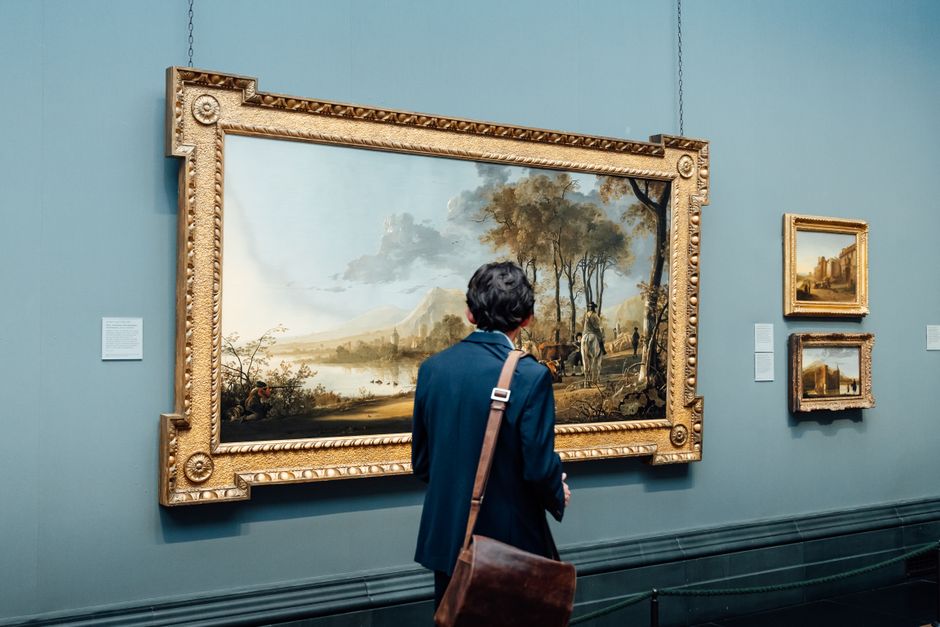
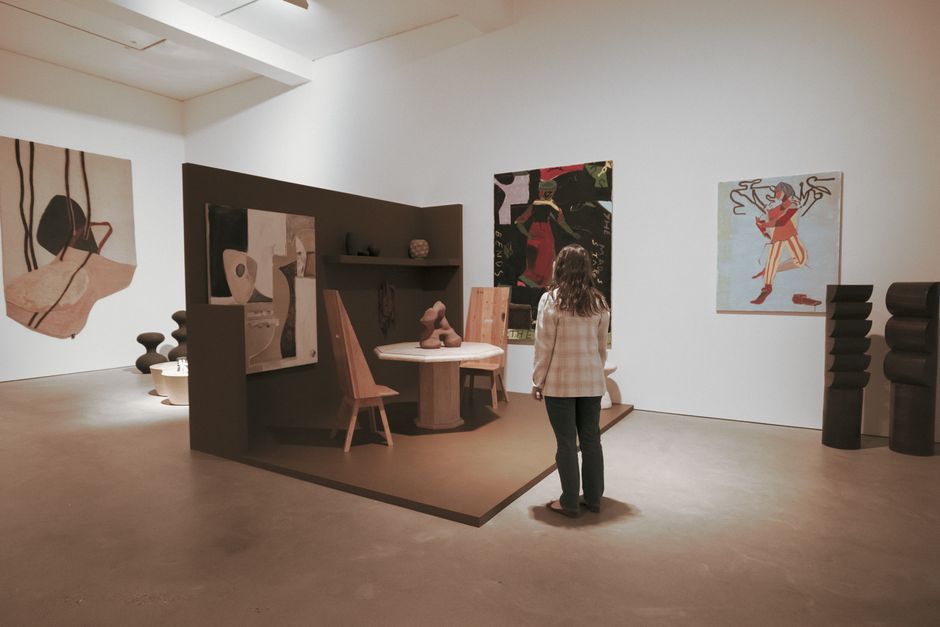
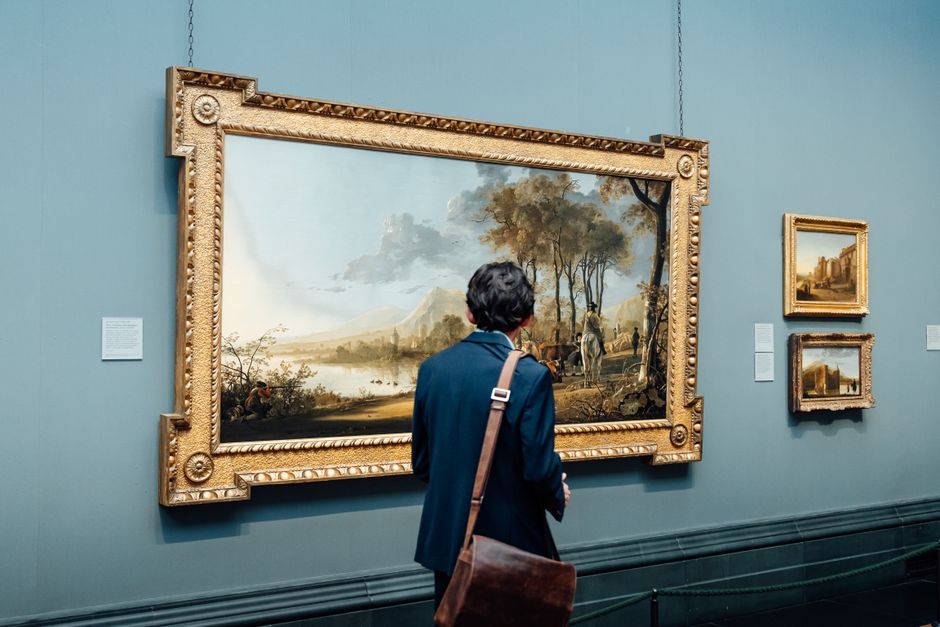
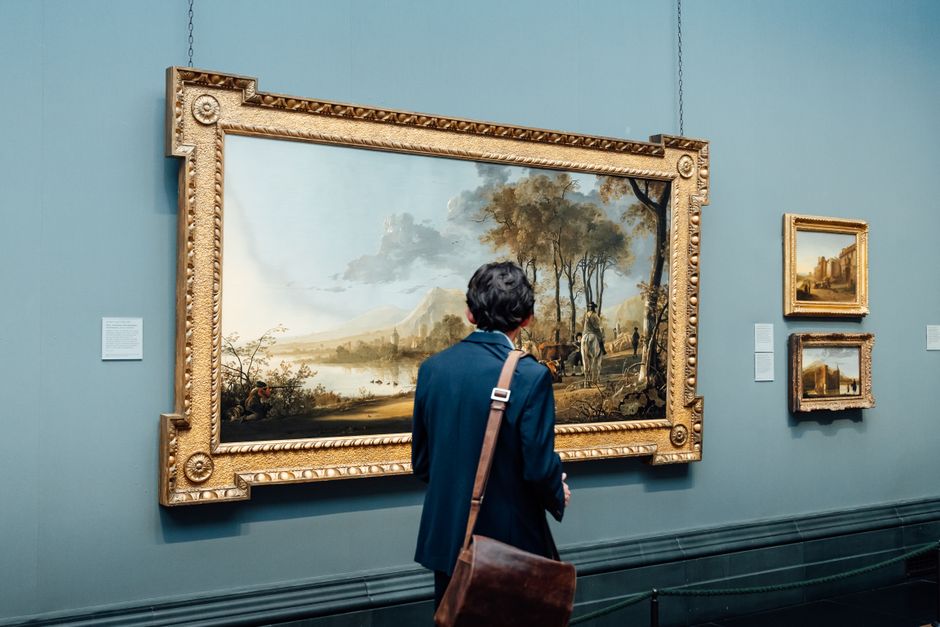
London's largest museums threw open their doors without charge on a sweltering July 4th, continuing a tradition that began in 2001 when the National Gallery, British Museum, and Victoria and Albert Museum first eliminated admission fees. The heat that shuttered American holiday celebrations didn't stop Londoners from queuing outside the British Museum on Great Russell Street or wandering the National Gallery's Trafalgar Square location—both remain among Europe's most visited institutions, drawing 8.9 million combined visitors annually, the majority paying nothing.
This free-access model wasn't inevitable. Before the New Labour government's 2001 policy shift, London's major museums operated behind paid entry barriers. Today, that decision defines how millions of ordinary Londoners—particularly those living in postcodes like Newham and Barking where household incomes sit below the London average—access culture. The shift marks a broader philosophical change about who gets to experience art, and the city's commitment to that principle has hardened into institutional muscle memory.
Decades of Grassroots Access Before the Policy Shift
But the story predates 2001. Street art flourished across Shoreditch and Brick Lane throughout the 1980s and 1990s precisely because it existed outside the gatekeeping structures of galleries and auction houses. The Geffrye Museum in Hoxton, which pivoted to free admission in 2013, had quietly built its reputation on accessibility long before that mandate. Community centres across Lambeth and Hackney ran free cinema nights and theatre workshops throughout the 1970s and 1980s, establishing a principle: culture should circulate, not accumulate behind velvet ropes.
The South Bank Centre formalized this differently. Founded in 1951 as a permanent festival site, the institution built its identity on outdoor performances and riverside access. You can still sit free on the Queen Elizabeth Hall steps, watching street musicians and dancers, your ticket cost exactly zero pounds. That model influenced later decisions about Peckham Rye Park's summer programme and the free outdoor cinema that Lambeth Council launched in 2015.
Borough Market in Southwark—operating since 1755—never charged admission to walk through stalls. Portobello Road's weekend street market operated on the same principle. These weren't designed as tourist attractions initially; they were working markets where entry was assumed to be free. That assumption shaped London's cultural DNA differently than cities where museums built their identity on exclusivity.
The Numbers Tell a Clear Story About Who Benefits
Since free admission became policy, the data shifted measurably. Visitor surveys by the Arts Council England show that households earning under £25,000 annually increased their museum visits by 34 percent between 2002 and 2019. The British Museum alone documented that school group visits from state schools in outer London boroughs—areas like Croydon, Havering, and Bexley—more than doubled after 2001. That's not coincidental. It's the direct result of removing a £17.50 barrier per family member.
The Wallace Collection in Manchester Square, the Courtauld Gallery on the Strand, and the Horniman Museum in Forest Hill all followed suit by 2015. Today, 68 percent of London's major cultural institutions charge zero admission, according to the Museums Association's 2024 survey. That percentage would have been unthinkable in 1995.
What happens next depends on funding. The £4.2 billion government arts budget has faced cuts since 2010, forcing some institutions to introduce suggested donations rather than mandatory fees—a softer form of payment that mathematically generates less revenue than charges did. Some smaller galleries have closed entirely. The model isn't stable; it's sustained through continuous negotiation between museums, central government, and local councils.
For Londoners checking what's available on a Saturday, the practical answer remains the same: walk to the National Gallery, the British Museum, or the Tate Modern. Bring a water bottle—the heat isn't ending soon—and find air conditioning along with Caravaggio, Egyptian mummies, or Rothko. That you can do it free is the result of 25 years of policy choices, not accident.