Free Culture: Emerging Talent Voices and the Next Wave to Watch
London’s arts scene is pivotally shifting toward grassroots accessibility as economic pressures reshape how we discover the city's next generation of stars.
3 min read
Updated 1 h ago
London’s arts scene is pivotally shifting toward grassroots accessibility as economic pressures reshape how we discover the city's next generation of stars.
3 min read
Updated 1 h ago
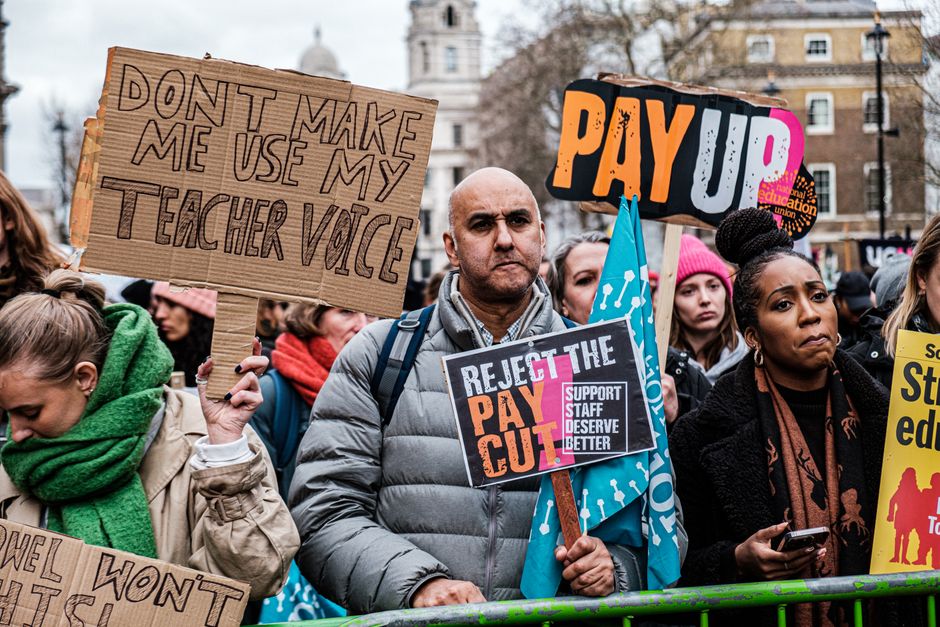
Londoners feeling the pinch of a stubbornly expensive summer are turning away from the West End’s high-ticket theatre scene, opting instead for a wave of free, raw performances anchored in community-led venues. Today, July 4, marks a notable surge in activity across the capital’s fringe districts, where young playwrights, poets, and visual artists are bypassing traditional gatekeepers to find direct audiences in public squares and independent galleries.
The epicentre of this shift is shifting eastward to Dalston and Peckham, where spaces like The Arcola Theatre and the Bussey Building are prioritising 'pay-what-you-can' initiatives to combat the 12% rise in average ticket prices seen at major institutions this fiscal year. At the Arcola’s current festival, three new directors under the age of 25 are staging open-rehearsal showcases that require no booking fee. These sessions aren't just displays of vanity; they represent a desperate, creative response to the prohibitive costs of staging a full production in an era where overheads for venues in Hackney have climbed sharply.
Down in Peckham, the 'Young Lens' photography initiative at the Copeland Park complex is hosting an open-invite exhibition this afternoon. The project focuses exclusively on street-level documentation of South London's changing geography. It is the kind of access that was once buried behind hefty entrance fees at the Hayward Gallery, but today, these prints are displayed on repurposed scaffolding in an open-air corridor, free to any commuter walking from Peckham Rye station.
Data from the Office for National Statistics indicates that household disposable income for Londoners aged 18-30 remains stagnant, pushing the city's emerging artistic talent to utilise non-traditional spaces. You will find no air-conditioned auditoriums here; instead, you get the grit of 2026 London, where art is being traded in pub backrooms and repurposed industrial depots. The economic reality is clear: if you cannot afford a £75 seat at a commercial play, you can still catch a 45-minute experimental monologue at a pub on Kingsland Road without spending a single pound on a ticket.
For those looking to engage with this wave, the best strategy is to monitor the 'Art Fund' student newsletters or check the 'London Free Arts' digital bulletin which updates every Friday morning. If you plan to head to the South Bank this evening, avoid the main ticketed festivals and duck into the smaller project rooms beneath the National Theatre. There, you’ll likely find the rehearsals for next season’s breakthrough hits, often open to the public on a first-come, first-served basis. The best art in London isn't currently sitting on a velvet-lined stage; it is happening on concrete floors, provided you know which street corner to turn.
About this article
Published by The Daily London
Spread the word
Daily brief
Free, in your inbox before 7am. Weekdays.
Before you go
The day's London news in a 2-minute read. Free, weekday mornings.