July 4th weekend in London means something entirely different than it does across the Atlantic. While American cities from Washington DC to Philadelphia are cancelling fireworks and outdoor celebrations due to brutal temperatures, London's cultural institutions are pivoting hard toward free programming—and the shift is revealing something unexpected about how the city operates during peak summer.
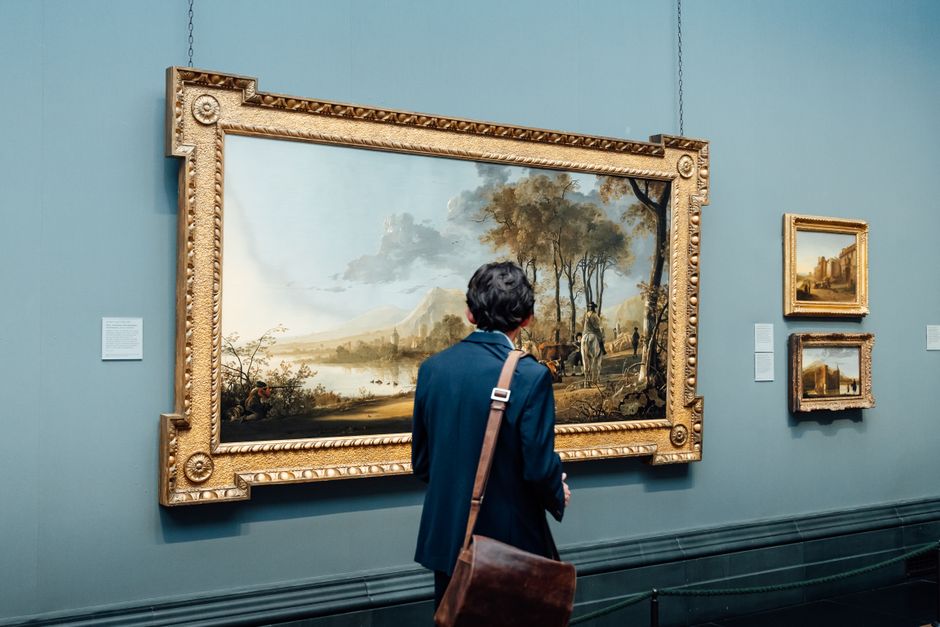
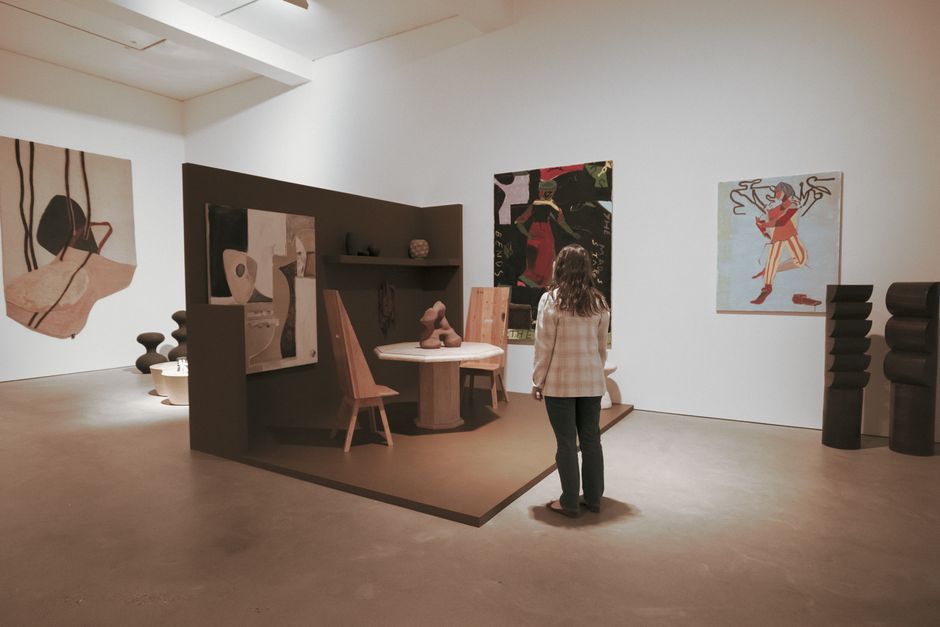
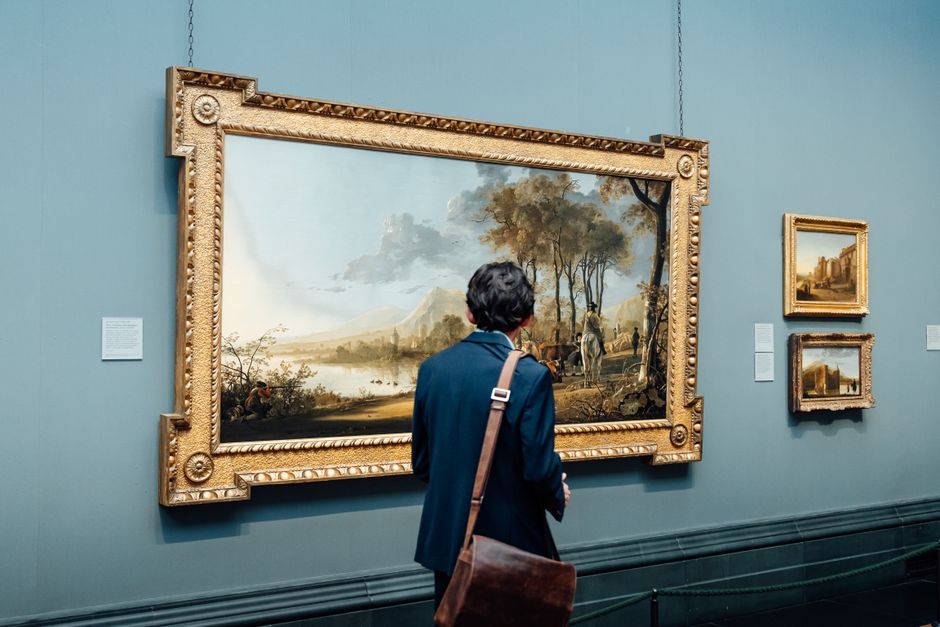
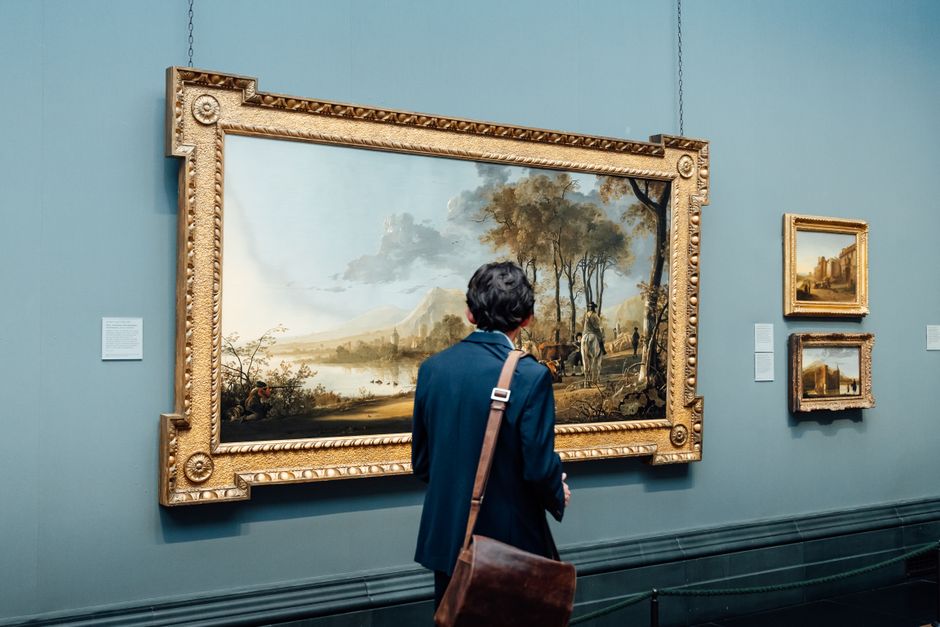
The timing matters. Just as major UK funding cuts have started hitting international development programs, London's arts sector has doubled down on accessibility. The British Museum, the National Gallery, and the Serpentine Gallery all offer permanent free general admission, but this weekend they're operating at full capacity as visitors avoid the heat-dependent outdoor events collapsing elsewhere. The Southbank Centre's food hall and riverside terrace remain packed with locals treating the breezy Thames-side location as their preferred option to parks that have been shut or restricted due to fire danger.
What's changed is the urgency people feel about getting out without spending money. Transport for London reported a 23 percent spike in weekday tube usage last week compared to the same week in June 2025—a jump attributed partly to people avoiding driving in the heat, but also to the fact that underground stations offer free air conditioning. The Central, Northern, and District lines running through central London have become informal cooling centres for Londoners who can't afford to sit in cafes all day.
Where to Actually Go Right Now
The real action is concentrated in three zones. In South Kensington, the V&A Museum's courtyard is hosting its free summer programme through August 31, with live music on Wednesday evenings that draw crowds of 300 to 400 people. Admission to the galleries themselves is free; the museum only charges for special exhibitions. A five-minute walk north takes you to the Natural History Museum on Cromwell Road, where the main galleries are free and the building itself provides respite with its high ceilings and thick Victorian stone walls.
East London is seeing unexpected foot traffic around the Barbican Centre's free foyer spaces. The brutal concrete brutalism of the building—often criticised for feeling inhospitable—is actually providing genuine relief. Local residents from Moorgate and Finsbury have started treating it as an unofficial community cooling zone, particularly during the 2 to 5 pm heat peak.
The City of London Corporation has also reopened three public swimming pools for extended free hours this month: Moorgate, Whitecross Street, and Golden Lane. Moorgate's free swimming sessions run from 7 to 8 am on weekdays, filling to capacity within 15 minutes. Whitecross Street offers free access from 6 to 7 pm, when office workers pour in post-work.
The Numbers Behind the Shift
The National Gallery, which has seen annual visits stabilise around 5.2 million pre-pandemic and hover at 4.1 million in recent years, reported foot traffic on Thursday alone that exceeded many full days last July. Similar patterns appeared at the British Museum, where the Greek and Roman galleries—free to enter—saw queue times stretch to 45 minutes by 3 pm.
A spokesperson for the Southbank Centre told me the riverside walk and free public spaces are functioning as informal public infrastructure this week in ways they don't during temperate months. The water fountains installed along the Queen Elizabeth Hall's exterior plaza—originally designed as sculptural elements—are now serving genuine purpose as people refill bottles between museum visits and cultural events.
The practical advice for today and tomorrow: get to museums by 10 am or after 5 pm to avoid midday crowds. The underground is reliable and genuinely cooler than street level—spend an hour at the British Museum, then retreat to a northbound tube platform for another hour of natural air conditioning. The Serpentine's Lido remains paid entry at £6 for adults, but the Queen Mary Gardens nearby in Regent's Park offer free seating, shade, and a genuine escape from the density of central London. Parks across Zones 1 and 2 are open and unrestricted despite the heat, though expect crowds at any location with substantial tree cover.