London's free cultural offerings have exploded over the past eighteen months, driven not by municipal decree but by a loose network of community organisers, artists and venue owners tired of watching working families priced out of the city's cultural life. What began as scattered initiatives—a free jazz night here, a pop-up gallery there—has coalesced into something resembling a movement, with hundreds of events now available at no cost every week across the capital.
The shift matters now because it speaks to a broader anxiety about London's future. As rents spiral and the cost of living continues to squeeze household budgets, the city risks becoming a place where culture is something you watch from the outside, not participate in. The free culture movement pushes back against that trajectory by insisting that galleries, music venues and theatres should be accessible to anyone with time to spare, regardless of their bank balance.
Where to Go Right Now
Start in Hackney. The Clissold Park Summer Series runs through August with free live music every Thursday evening on the park's main lawn. A ten-minute walk south, the Showroom on Dalston Lane—a nonprofit venue founded in 2008—hosts free screenings of independent films on Tuesday nights, rotating between documentary and experimental work. Neither charges admission. Both draw crowds that span age, background and income in ways that ticketed venues simply don't.
South of the Thames, the Southwark Free Film Festival runs a different model: local cinemas partner with community groups to screen films for nothing in public spaces, from Peckham Rye Park to the forecourt of the Bermondsey Town Hall. Last summer, over 14,000 people attended across thirty screenings. That number matters because it suggests demand. People want culture. They just don't want to pay £15 for a cinema ticket after paying £18 for a train journey into town.
The Numbers Behind the Movement
Research from the Institute for Public Policy Research, published in April 2026, found that ticket prices for London theatre have risen 34 percent since 2019, even as average wages stagnated. The same study found that attendance among households earning under £30,000 annually fell by 22 percent over that period. Free culture organisers cite those figures constantly. They argue—convincingly—that the market has failed a huge chunk of London's population.
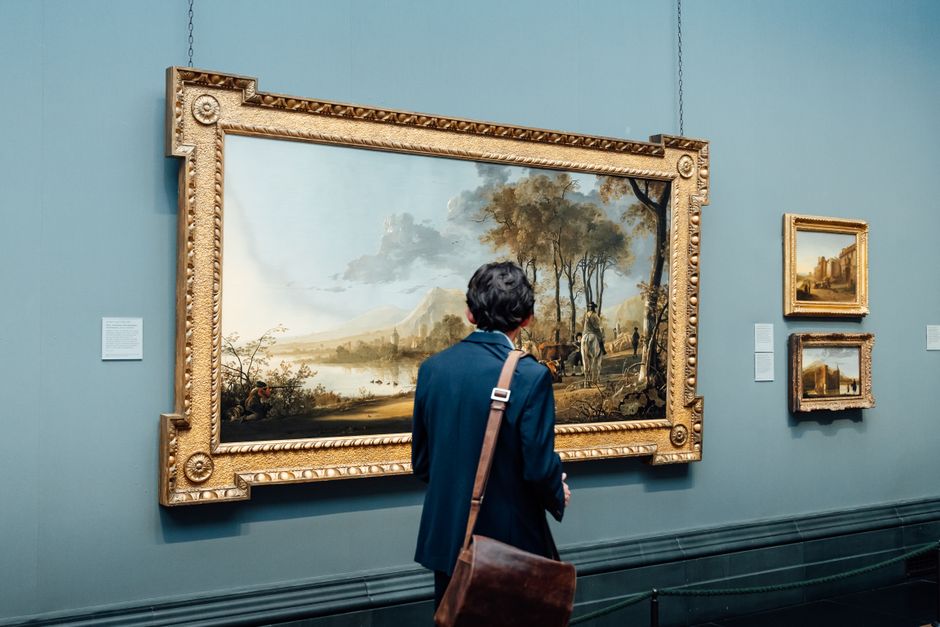
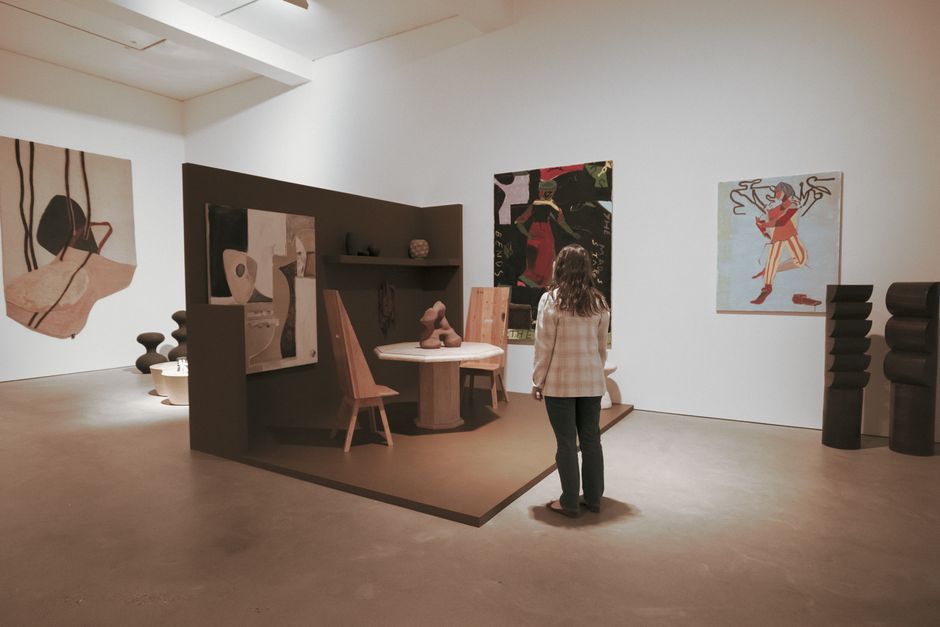
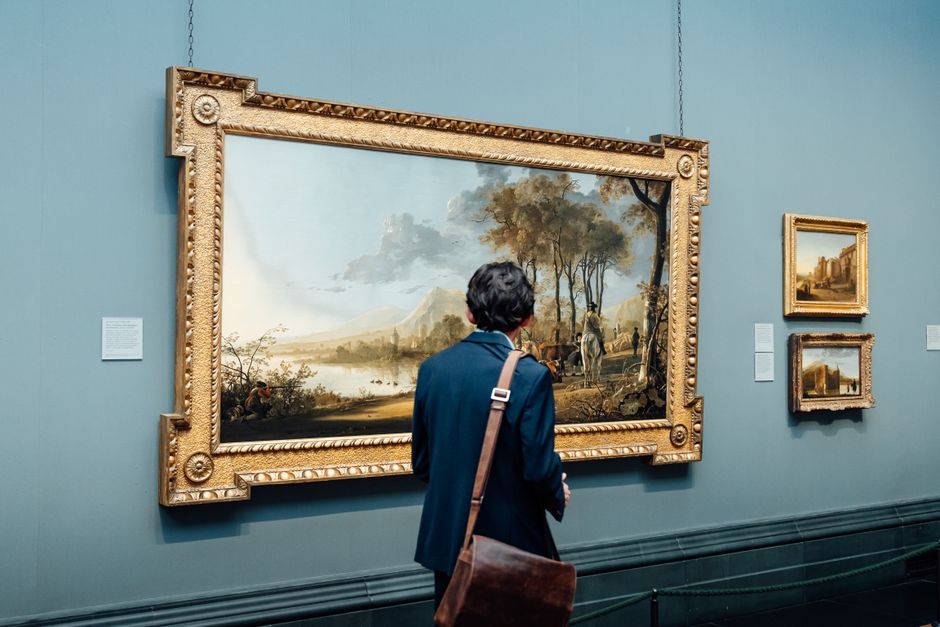
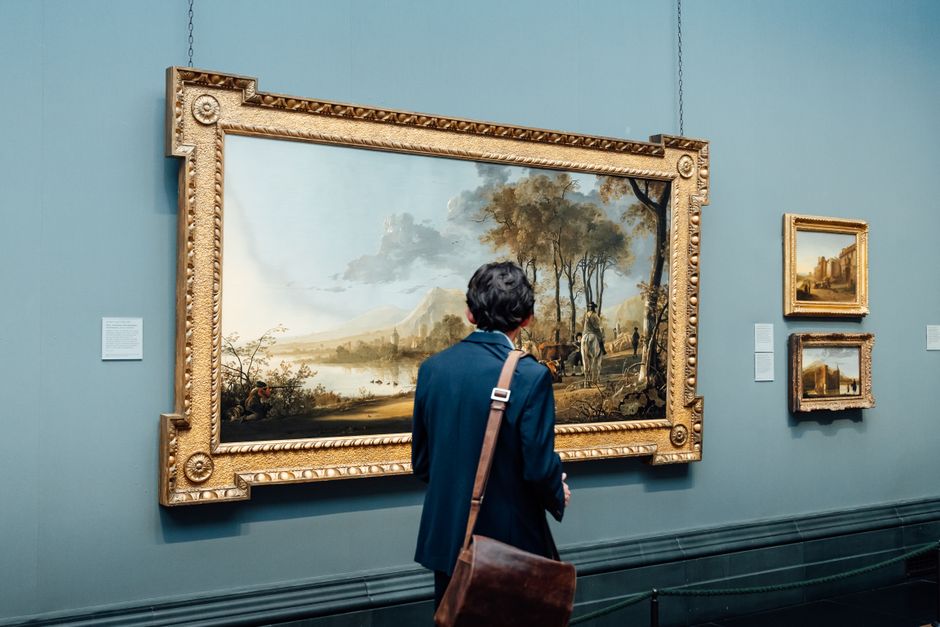
What's striking is the diversity of what's now free. The National Gallery's permanent collections have always been no-charge, but smaller galleries like Vivid Projects in Dalston and the Spike Island studios in Old Street now host monthly open evenings where artists talk through their work with visitors at no cost. Theatre companies including the Young Vic have expanded their free ticket allocation to 20 percent of capacity for every performance. Street Wisdom, a walking-tour organisation based in Hackney, leads free guided explorations of how public spaces shape behaviour—they've mapped routes across Islington, Haringey and Greenwich.
The movement hasn't solved London's inequality problem. Venues still cluster in neighbourhoods with existing cultural infrastructure and transport links. Getting to an event in Hackney from Croydon or Romford means bus fare or a train ticket that might cost more than a conventional paid event. But organisers are thinking about that too. Groups like Access All Areas London, which campaigns for disabled people's participation in culture, partner with free-event promoters to ensure venues are genuinely open rather than just technically free.
Check Timeout London's free-events listing or follow individual venues on social media to find what's happening. Most organisers post on Instagram within a week of each event. Go early to popular outdoor screenings—Peckham Rye fills up by 7 p.m. on summer Saturdays. Bring a blanket, bring friends, bring your appetite for something that doesn't require a credit card to experience.