London's cultural identity is being redefined not in concert halls or West End theatres, but on the steps of the National Gallery, in the back galleries of the British Museum, and on the corners of Brick Lane where buskers draw crowds who can't afford to pay for entertainment elsewhere.
Today, July 4th, the equation is simple: zero pounds spent, maximum cultural access. The Tate Modern on the South Bank keeps its permanent collection free. The Victoria and Albert Museum doesn't charge for entry. The British Library reading rooms welcome visitors at no cost. For a city where a cinema ticket costs £15 and a West End show runs £40 to £100, free access to world-class art has shifted from perk to necessity—and in doing so, has become the defining characteristic of what London culture actually is in 2026.
This matters now because London is pricing itself out of its own narrative. Rents in zones 1 and 2 have climbed above £2,000 monthly for a one-bedroom flat. The hospitality sector has contracted by 12 percent in the past eighteen months, according to the Office for National Statistics. Young artists, designers, and musicians—the people who historically powered London's creative reputation—are leaving for Berlin, Manchester, and smaller cities where they can afford to work. The free galleries and museums aren't just filling a gap. They're preventing the city's creative life from becoming purely transactional.
Where Culture Meets Democracy
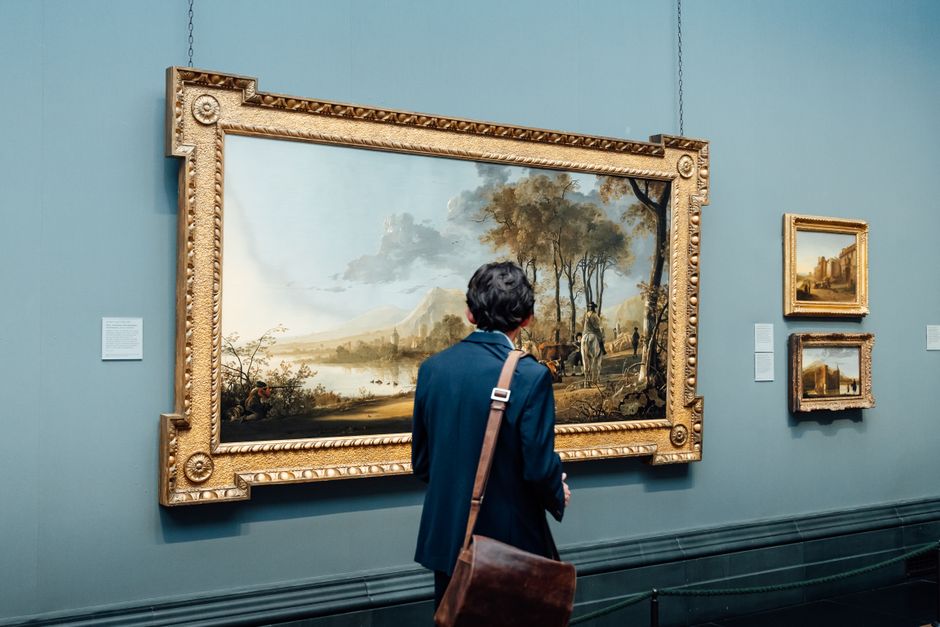
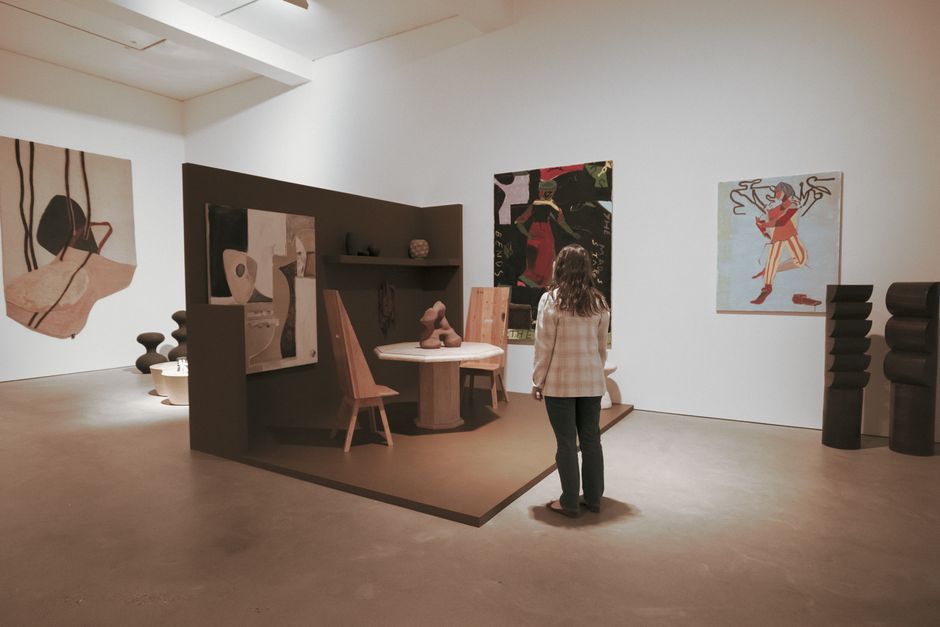
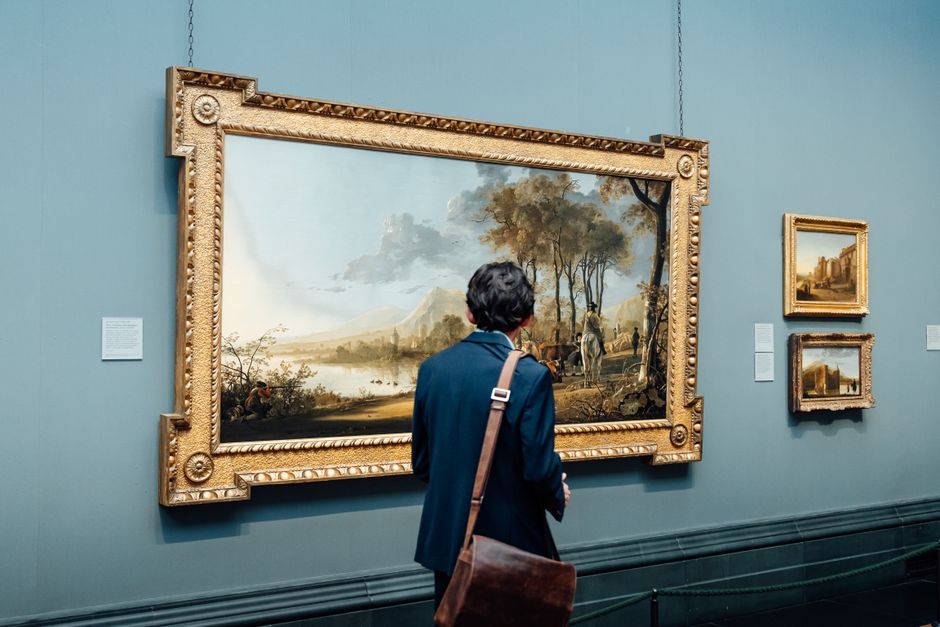
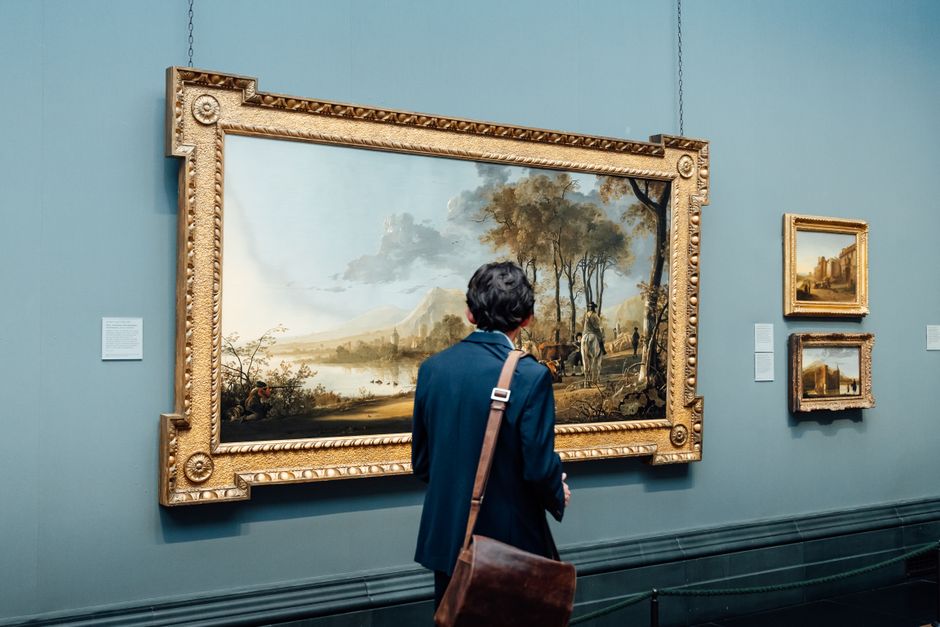
Walk into the Royal Academy of Arts on Piccadilly at 11 a.m. on a Saturday, and you'll see the model in action. The permanent collection is free until 1 p.m. The queue forms early. Schoolchildren file past Constable landscapes. Pensioners settle in front of contemporary installations. A woman sketches in a notebook near a sculpture by Henry Moore. None of them paid to be there.
The same pattern repeats across Westminster and Southwark. The Wallace Collection in Manchester Square operates entirely free. The Whitechapel Gallery, which has shaped East London's identity for 130 years, charges nothing for entry to its main galleries. The Institute of Contemporary Arts on The Mall hosts free exhibitions alongside paid-for events. These aren't small repositories. The British Museum receives 8.2 million visitors annually—roughly equal to London's entire population—and charges nothing for the permanent galleries, making it the most-visited museum on the planet without mandatory admission fees.
The statistics tell the story. A 2024 Arts Council England report found that 61 percent of Londoners visited a free cultural venue in the previous twelve months, compared to 38 percent who paid for live entertainment or theatre. The free venues aren't serving a fringe audience. They're serving the actual city.
The Street-Level Reality
But the real creative pulse isn't confined to the major institutions. Brick Lane, Shoreditch, and the areas around King's Cross have become open-air galleries where street art, live music, and independent performance define the neighborhood character far more than any ticket-charging venue. The London Mural Company and unauthorized muralists have covered hundreds of walls with work that functions as free public art. On any given Saturday, buskers working spots on Oxford Street, Covent Garden, and South Bank draw crowds that rival ticketed attractions.
The practical reality is straightforward. Free cultural access has become how most Londoners actually experience their city. The British Museum, the Tate Modern, the National Gallery, the V&A, the Wallace Collection—visit any of these on a Friday evening or Saturday afternoon, and you'll see crowds that suggest abundance rather than austerity. These spaces have become the social infrastructure that keeps London functioning as a genuinely cosmopolitan city rather than a theme park for the wealthy.
If you're in London today and want to move through the city like a real Londoner rather than a tourist, skip the paid attractions. Head to Bloomsbury for the British Museum and the British Library's public reading rooms. Move south across Waterloo Bridge to the Tate Modern and the National Gallery. Wander Brick Lane and Shoreditch. The admission cost is zero. The cultural education is priceless. That's the London that actually exists in 2026.