Tracing the Free Spirit: The History and Evolution of London's Free Cultural Scene
From Victorian public museums to modern-day art walks, London’s free cultural offerings reveal a story of accessibility and community resilience.
4 min read
From Victorian public museums to modern-day art walks, London’s free cultural offerings reveal a story of accessibility and community resilience.
4 min read
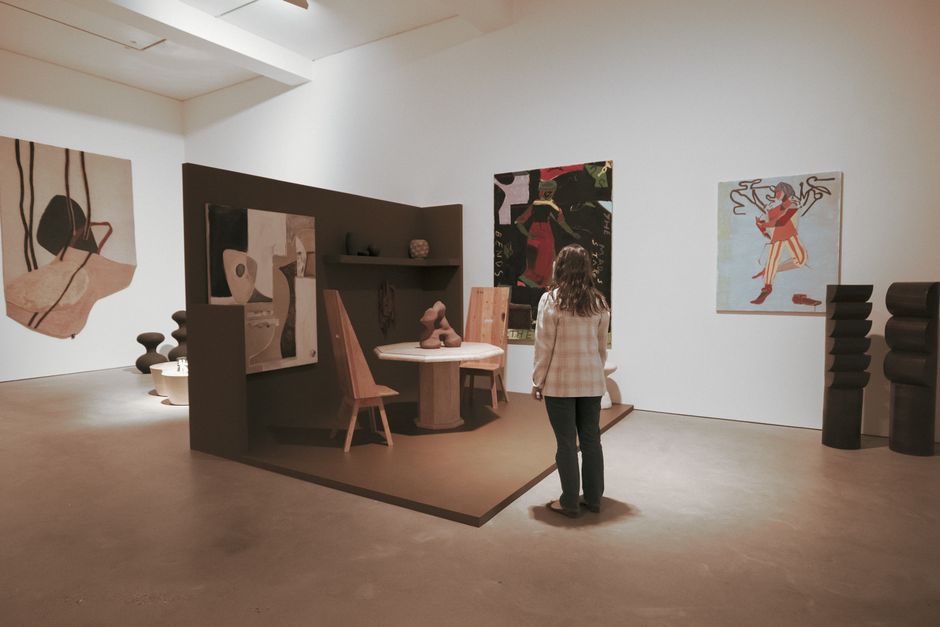
Londoners looking to soak up culture without spending a penny have hundreds of options today, thanks to a tradition that dates back over 150 years. Free galleries, museums, and outdoor events scattered throughout the city form a vibrant tapestry of accessible art and history — a legacy shaped by social reforms and community efforts.
As the cost of living in the capital climbs higher, free cultural programmes have gained renewed importance. They not only offer economic relief but also foster civic pride and inclusiveness, vital in a city with nearly 9 million residents from diverse backgrounds. This makes understanding the roots of London’s free cultural scene more relevant than ever.
London’s first major strides towards free public culture began in the Victorian era with the opening of the British Museum's Reading Room in 1857 and the founding of the Victoria and Albert Museum in 1852. Both institutions were part of an ambitious plan to educate and uplift the working classes by providing free access to art and knowledge. Today, the British Museum, located on Great Russell Street in Bloomsbury, continues to offer free entry, drawing millions of visitors annually.
Nearby, the Tate Modern on Bankside has been a modern powerhouse for free exhibitions since its adaptation from the Bankside Power Station in 2000. While some special exhibitions carry entry fees, the permanent collections of international contemporary art remain free. These venues underscore a continuing commitment to public accessibility through shifts in London's cultural landscape.
Free cultural opportunities have not only been top-down initiatives but also driven by grassroots movements and local councils. For instance, the annual Thames Festival, free to the public and held along the South Bank, began in 1996 as a community-led celebration of the river’s central role in the city’s history and culture. It now attracts over 150,000 attendees and includes free music, theatre, and visual arts.
The London Borough of Hackney’s programme, “Hackney Free Art,” launched in 2012, provides free workshops, exhibitions, and talks, often in partnership with the local Whitechapel Gallery—another landmark institution with free entry that dates to 1901. Such collaborations highlight an evolving model where institutional prestige meets community engagement, expanding reach and inclusivity.
Statistics show that London’s museums and galleries participated in over 70 million visits in 2025, with a third of those entries free of charge, according to Arts Council England reports. In contrast, similar cultural hubs in Europe charge entry fees more frequently, marking London’s free scene distinct in scale and variety.
Several public libraries, like the iconic British Library on Euston Road, also contribute to this cultural ecosystem by offering free exhibitions and events with literary and historical themes. This synergy of library, gallery, and museum services enriches the city’s cultural consumption options, particularly for families and young people.
Looking forward, many free cultural programmes in London are embracing digital platforms to extend accessibility. Initiatives such as virtual tours by the National Gallery and digital performances by the Royal Opera House supplement physical visits, ensuring art and culture remain reachable during times of social distancing or for those unable to travel.
For Londoners and visitors eager to explore without a budget, planning around landmarks like the British Museum and Tate Modern remains an excellent start. Coupling these with seasonal events — the Proms in the Park, free open-air cinema screenings in Hyde Park, or art walks through Shoreditch—can fill any summer weekend with enriching, cost-free experiences. The city’s continued investment in public access ensures the free cultural scene will remain a cornerstone of London life for years to come.
About this article
Published by The Daily London
Spread the word
Daily brief
Free, in your inbox before 7am. Weekdays.
Before you go
The day's London news in a 2-minute read. Free, weekday mornings.