Grassroots rebellion: The community and movement driving this cultural shift
While institutional funding wanes, London’s independent galleries are rewriting the rules of the city’s creative survival.
3 min read
Updated 1 h ago
While institutional funding wanes, London’s independent galleries are rewriting the rules of the city’s creative survival.
3 min read
Updated 1 h ago
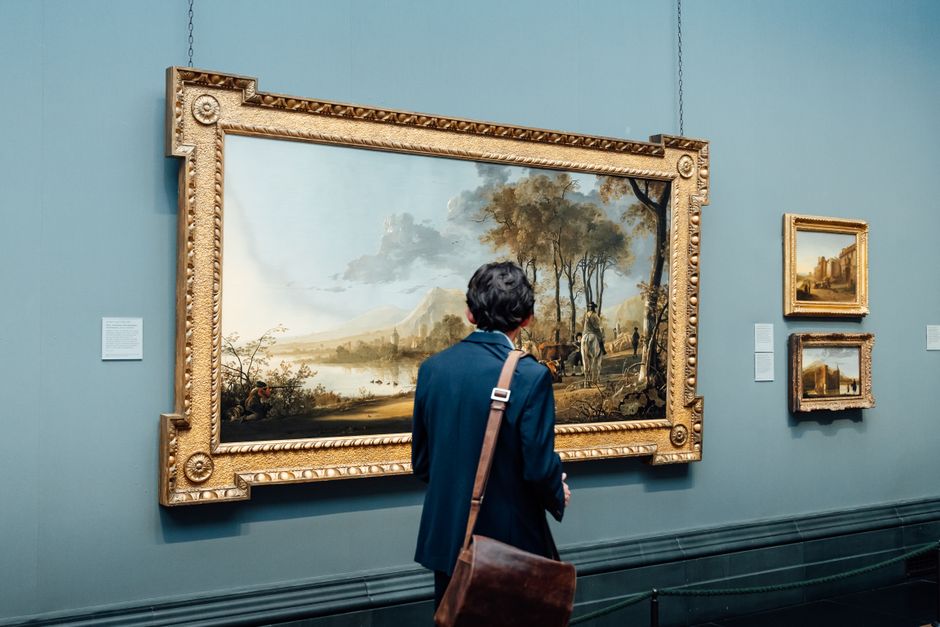
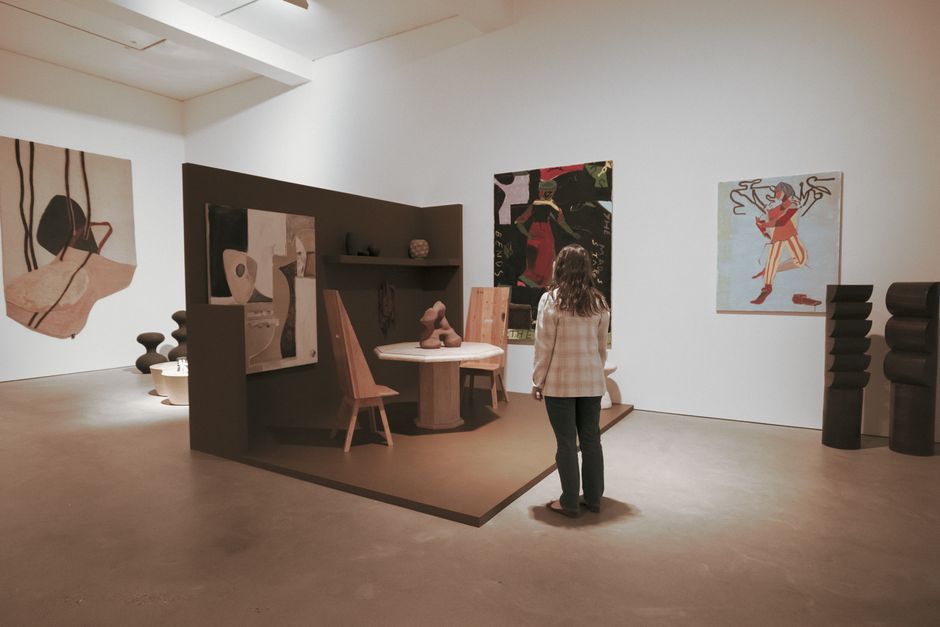
London’s independent art scene is undergoing a radical decentralisation, shifting away from the high-rent corridors of Mayfair toward the converted warehouses and community-run spaces in the east and south. This morning, at least six small-scale collectives announced new programming models that bypass traditional gallery representation in favour of direct artist-to-patron sales. The move marks a definitive break from the institutional grip that has dominated the capital’s creative output for the past decade.
The impetus for this pivot stems from a sharp reduction in government-backed development grants and a 14% hike in commercial rates across central London boroughs. As major institutions like the Tate and the Serpentine face tighter budget constraints, younger artists are reclaiming spaces once slated for luxury residential developments. On Vyner Street in Hackney, the Collective 44 group has transformed a former industrial storage unit into a non-profit gallery that operates on a pay-what-you-can exhibition model. Across the river in Peckham, the Copeland Park site has become a hotbed for independent curators, hosting daily workshops that prioritise local residents over global art fairs.
The data suggests this isn't merely a temporary reaction to inflation, but a structural adjustment in how London consumes art. According to recent reports from the London Arts Council, visitor numbers to independent, artist-led spaces in Southwark and Tower Hamlets rose by 22% between January and June 2026. Conversely, foot traffic at traditional flagship galleries in St. James’s has dipped by nearly 9% over the same period. The average price of a piece of original work sold through these grassroots initiatives currently sits at £450, a significant shift from the multi-thousand-pound entry points seen at venues on Cork Street.
This movement is supported by the London Creative Commons initiative, a legal aid network that helps small galleries negotiate multi-year leases at below-market rates. The organisation recently secured a three-year protection status for the studios at Bow Arts, preventing the space from being converted into boutique office suites. These protections are essential to keep the momentum going, as developers continue to bid on prime land in transit-adjacent neighbourhoods like Dalston and Deptford.
For those looking to engage with this shift, the most radical work is currently emerging from weekend pop-ups rather than scheduled seasonal launches. Collectors and enthusiasts should track the 'London Independent Art Map' updated every Thursday on the platform's social channels to find upcoming openings in Bermondsey and Bethnal Green. If this growth pattern persists, the next major movement in London’s cultural landscape will likely be dictated not by established curators, but by the artists holding their own keys to the storefronts.
About this article
Published by The Daily London
Spread the word
Daily brief
Free, in your inbox before 7am. Weekdays.
Before you go
The day's London news in a 2-minute read. Free, weekday mornings.