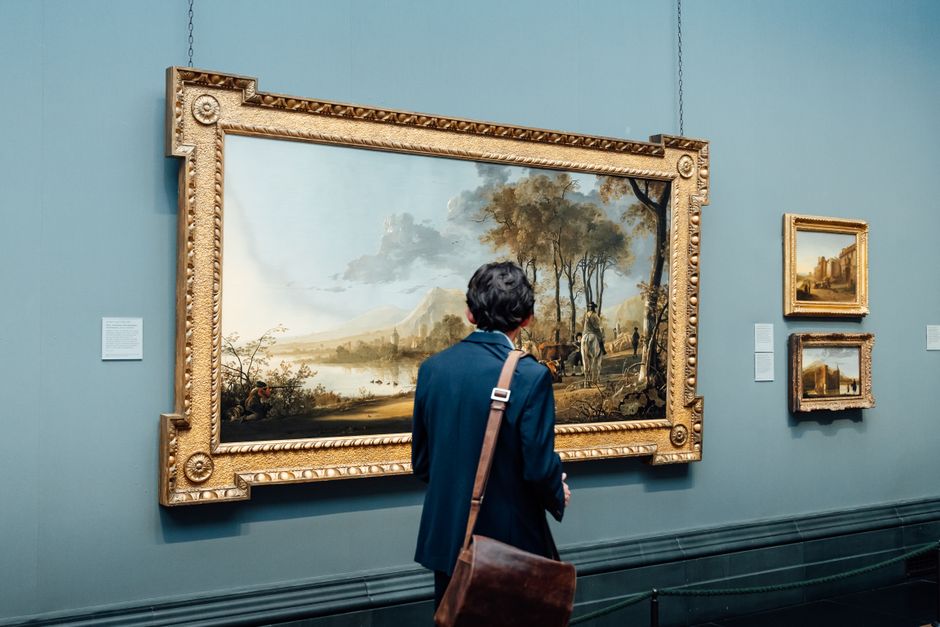
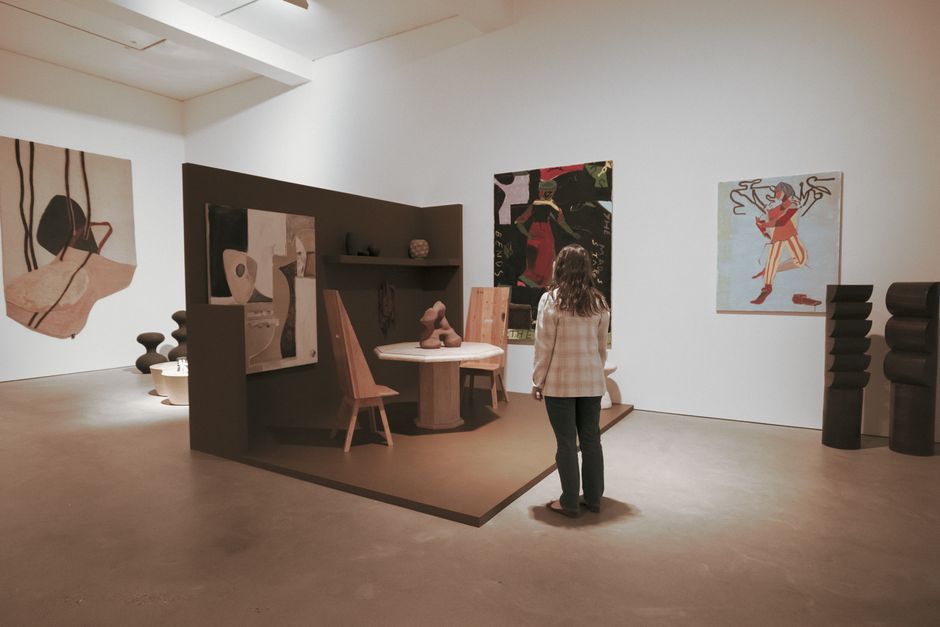
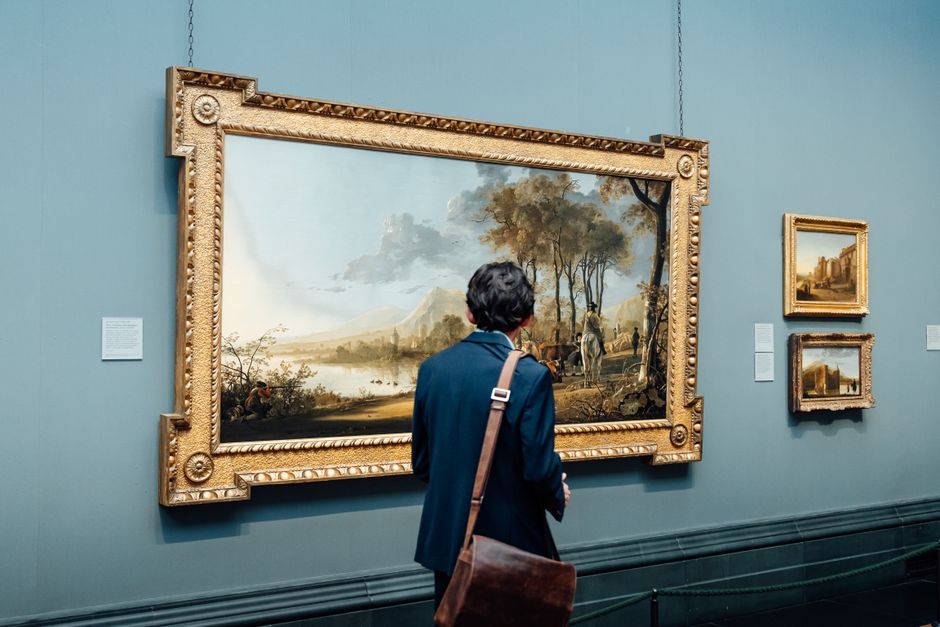
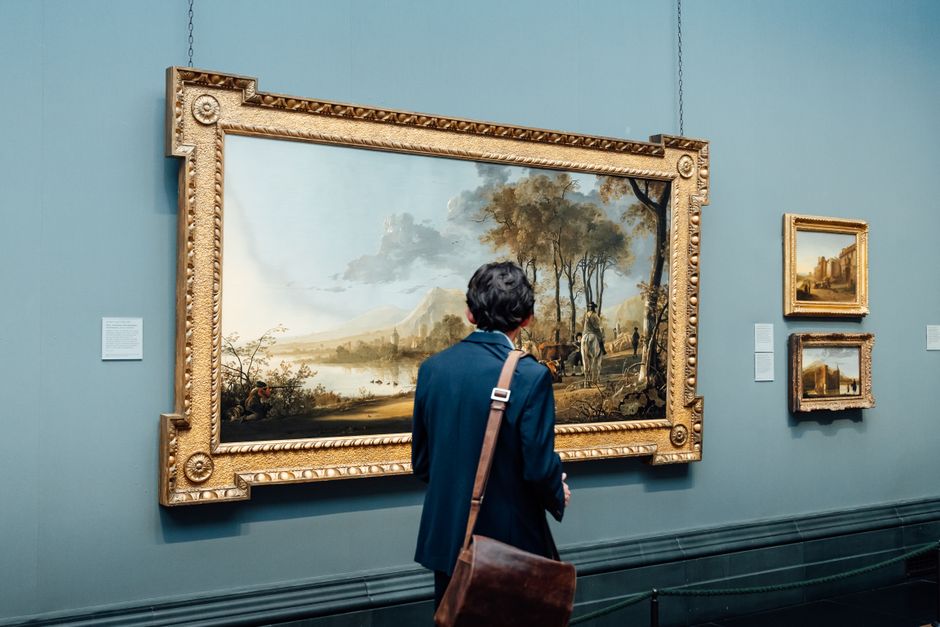
On a July Saturday when temperatures across Britain are pushing record highs, thousands of Londoners will drift through the British Museum, the National Gallery, and the Tate Modern without paying a single penny. They'll catch live music in Covent Garden, watch street theatre on the South Bank, and browse the free exhibition spaces that have quietly become the city's most vital cultural infrastructure.
The free access model isn't new to London. But it's undergone a profound shift. What was once a baseline courtesy—admission waivers on designated afternoons—has become the defining feature of how the capital actually functions as a cultural city. With cinema tickets now averaging £12.50 and West End theatre seats regularly exceeding £80, free cultural programming is no longer supplementary. It's foundational.
This matters now because London faces a genuine question about who belongs in its creative spaces. Young people aged 18-24 are 40 per cent less likely to attend paid cultural events than they were in 2015, according to Arts Council England data released last month. The gap between wealthy Londoners and working-class residents accessing galleries, museums, and live performance has widened measurably. Free programming has become the only entry point for entire neighbourhoods.
Where Culture Happens Without Money
Walk through Southwark on any given weekend and the evidence is everywhere. The Tate Modern's permanent collection costs nothing. The Barbican Centre, nestled between Golden Lane and Silk Street in Clerkenwell, offers free access to its foyer galleries and regularly hosts free classical music performances in its atrium. The South Bank Centre—spanning the stretch between Westminster Bridge and Blackfriars—maintains free outdoor spaces where summer festivals, film screenings, and performance art programs run continuously.
But the real infrastructure lives in smaller spaces. The Whitechapel Gallery in Tower Hamlets charges no admission. The Serpentine Gallery in Hyde Park is free. Project Space K, a artist-run venue tucked into a residential building on Kingsland Road in Hackney, operates entirely on donations. These aren't marginal institutions. They're where London's working artists actually show their work, where emerging photographers, sculptors, and experimental musicians have space to be seen.
The shift has practical consequences. Gallery membership—traditionally a marker of cultural capital among affluent Londoners—has become less necessary. A teenager in Peckham or Newham can spend their entire summer cycling between free institutions without ever needing a parent's credit card. That changes what counts as cultural participation in the city.
The Numbers Behind the Access
The British Museum reported 5.8 million visits last year. The National Gallery saw 5.2 million. These numbers have remained stable or grown despite the cost-of-living crisis, which suggests free admission isn't just a convenience—it's essential infrastructure. Compare this to paid museums in London, like the Museum of London, which charges £16 for general admission and saw its visitor numbers drop 23 per cent between 2019 and 2024.
Street performance has become economically significant too. The busking licensing scheme in Westminster and the City of London has expanded, with the City Corporation issuing 47 new performance licenses in 2025 alone. High-quality street musicians now command regular pitches outside major transport hubs and cultural venues, effectively distributing live performance across the entire city.
What started as COVID-era necessity has become permanent London policy. When theatres and museums closed between 2020 and 2021, free online programming and expanded outdoor performance spaces became the only way cultural institutions maintained relevance. They discovered that removing price barriers actually increased engagement across the board—something Arts Council England documented in their December 2025 report on access and equity.
For anyone in London today, the practical reality is simple: you can spend a full, artistically rich day without opening your wallet. Walk the Thames Path south of Tower Bridge for street performers and temporary art installations. Climb to the top of Primrose Hill for free panoramic views and the weekend sketch artists who gather there. Hit the Institute of Contemporary Arts on The Mall for its free foyer access and cheaply-ticketed cinema screenings. Stay late enough and you'll catch the kind of cultural activity that actually reflects who lives here now.