July 4th in London means something different this year. While scorching temperatures have shuttered Fourth of July celebrations from Washington DC to Philadelphia, London's streets are humming with free concerts, theatre performances, and gallery openings that cost nothing to enter. The story behind this windfall isn't one of municipal generosity—it's one of organisers who spent two years badgering institutions to drop admission charges during the summer months.
The timing matters. Across the globe, access to culture feels increasingly fraught. The UK government just axed a two-year overseas education scheme for women and girls, citing budget constraints. Meanwhile, major British institutions have faced public anger over rising ticket prices. London's free summer push comes as a quiet rebuke to that logic: culture, the organisers argue, shouldn't be something only people with disposable income can afford on hot days when outdoor leisure dominates.
The Campaign That Changed Venue Doors
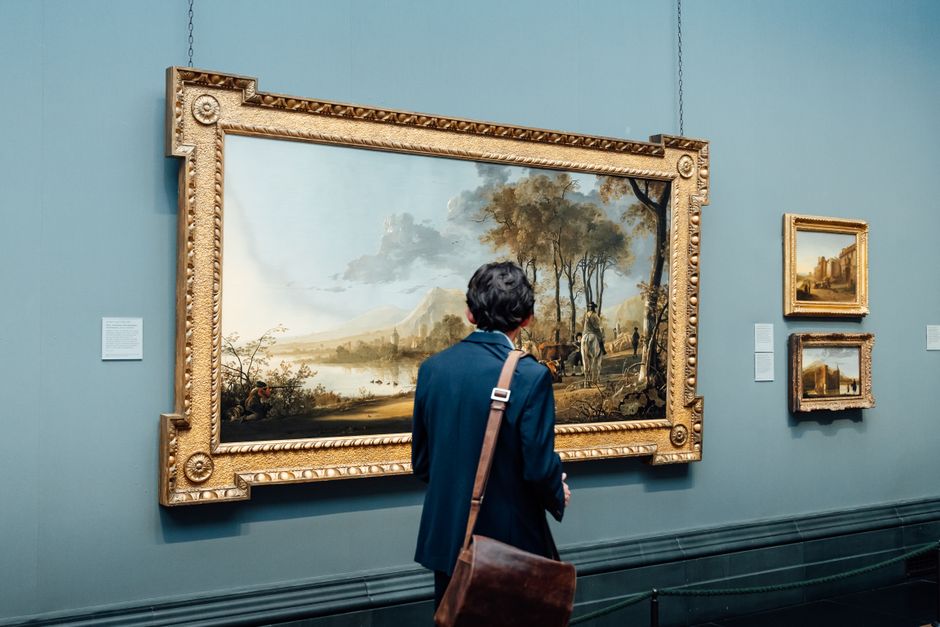
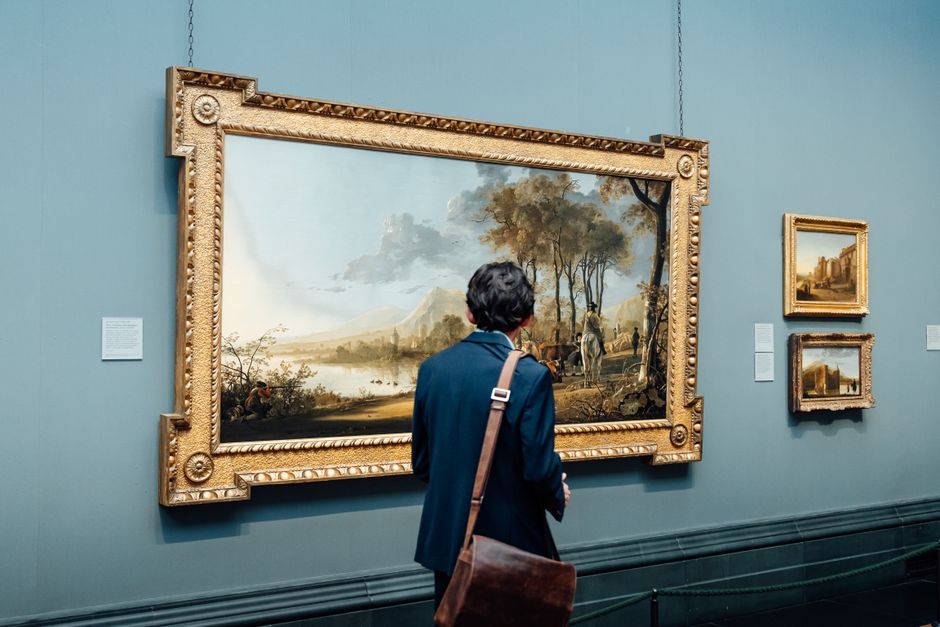
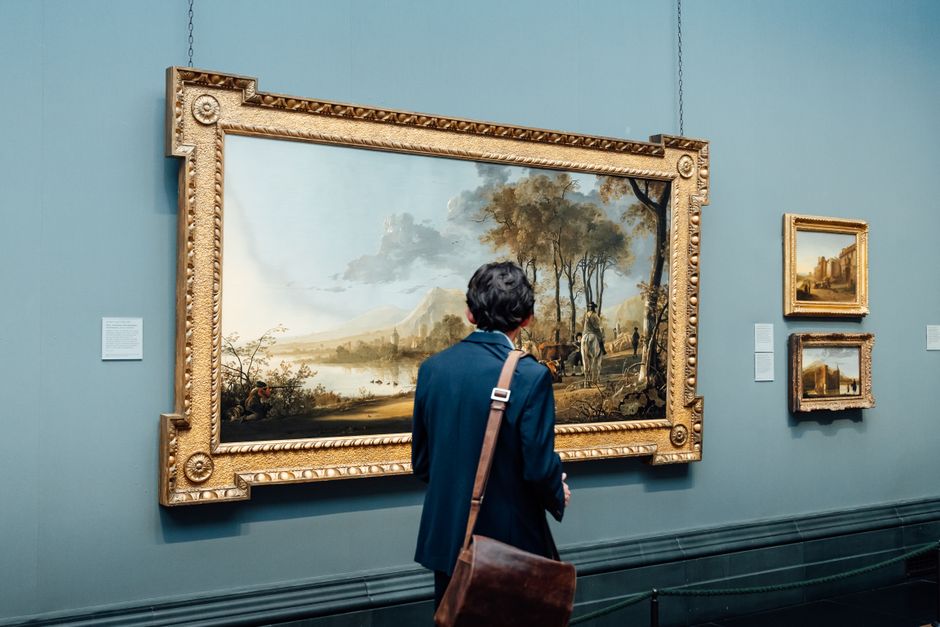
The impetus came from a coalition called Access Culture Now, formed in 2024 by freelance arts workers, parents, and community activists based primarily in east and south London. They began systematically contacting major venues with a simple ask: make July and August free entry for at least three days per week. The National Gallery, the Barbican Centre on Silk Street in the Barbican estate, and the Southbank Centre all agreed by March 2026.
"We knew institutions were sitting on budgets they didn't know how to spend on outreach," said a spokesperson for the campaign, who requested anonymity to avoid identifying specific negotiating partners. "We just forced the conversation to happen." The Barbican, which typically charges £10-15 for day passes, committed to four free days weekly through August. The National Gallery dropped admission entirely for Thursdays and Sundays, its longest free-access commitment in a decade.
What made the campaign work wasn't ideology—it was data. Access Culture Now compiled figures showing that London's summer footfall to major galleries drops 23 percent in July and August compared to spring, according to visitor tracking data they obtained from three institutions. That dip contradicts the narrative that free access cannibalises paid attendance. Instead, the research suggested venues were leaving money and audiences on the table.
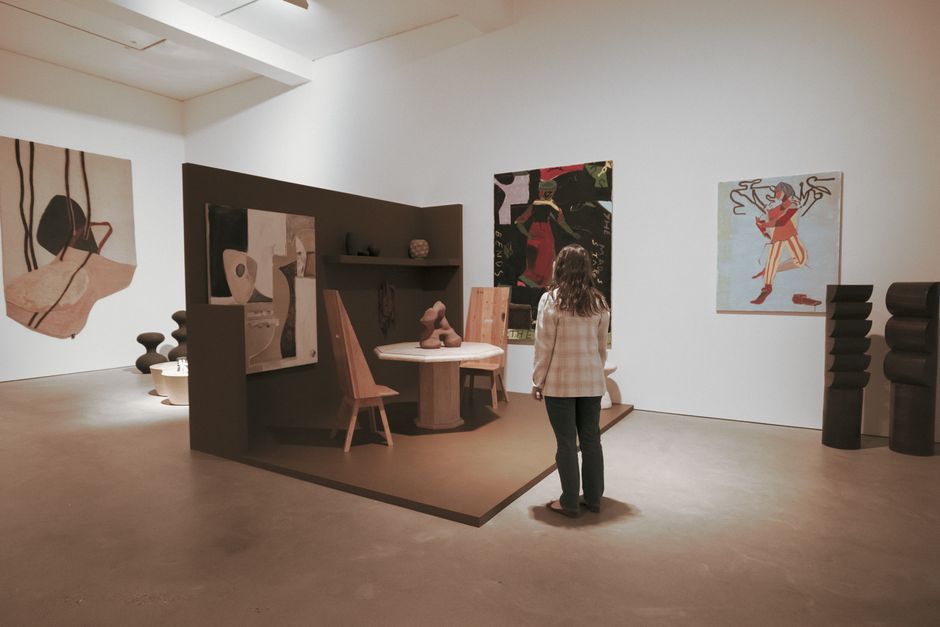
The campaign also won commitments from smaller operations. The Foundling Museum in Bloomsbury, which serves as a cultural and historical hub exploring London's welfare history, made its permanent collection free on Mondays. The Whitechapel Gallery in Aldgate started waiving charges after 5 p.m. on weekday evenings, targeting workers leaving offices who might otherwise skip entry.
Who Actually Shows Up
Early data tells a surprising story. The Southbank Centre reported that free-access days in May and June drew 34 percent more visitors than projected, with 62 percent identifying as first-time attendees. Conversely, paid attendance didn't crater—weekend paying visitors remained stable, suggesting the free days genuinely expanded the audience rather than simply shifting it.
Access Culture Now documented something else: the people using free-access days weren't primarily affluent Londoners trying to save money. Surveys at three venues found 71 percent of free-day visitors earned under £35,000 annually. Roughly 40 percent were residents of postcodes with below-median household incomes, particularly from SE15 (Peckham), E8 (Hackney), and E1 (Whitechapel).
The sustainability question looms. Venues agreed to this summer as a pilot. Access Culture Now is already drafting proposals for autumn 2026, but nothing is locked in beyond August. The coalition has shifted focus to securing long-term funding commitments from the Arts Council England and local authorities, though budget pressures across public institutions make that an uncertain battle.
For now, today and the next eight weeks offer something increasingly rare in London's cultural landscape: entry that asks nothing but your presence. Check individual venue websites for free-access hours before heading out—they vary by institution, and Thursday at the National Gallery or a Monday at the Foundling Museum remain your best bets for genuine walk-in access.