The changing frame: How London’s galleries reshaped the city’s concrete skin
From the soot-stained Victorian halls of the 19th century to the glass-fronted monoliths of Southbank, the capital’s art infrastructure has fundamentally shifted the way we inhabit our streets.
This article was generated by AI from the linked public sources. The Daily London is independently owned and covers London news free from advertiser or sponsor influence. Read our editorial standards →
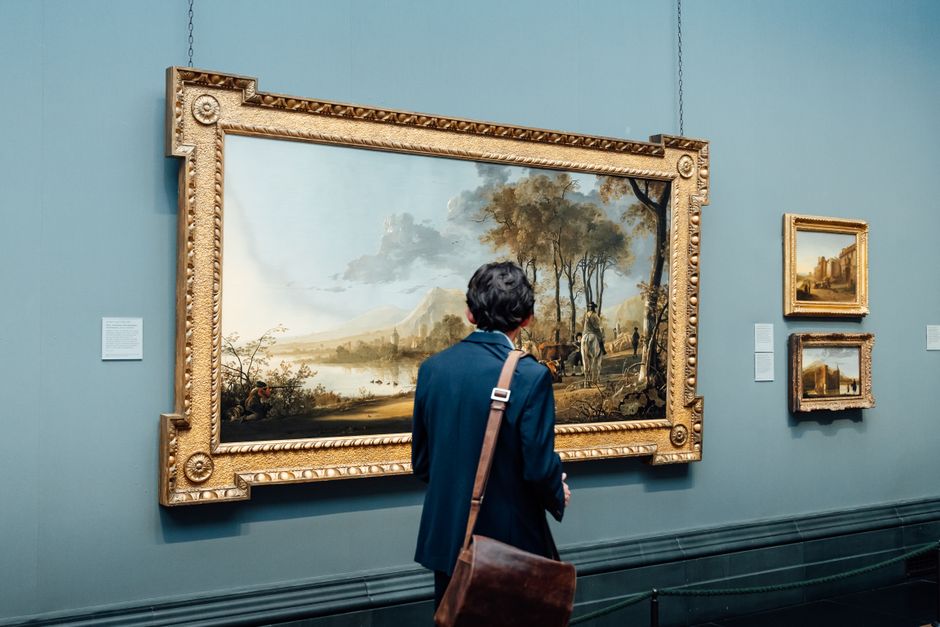
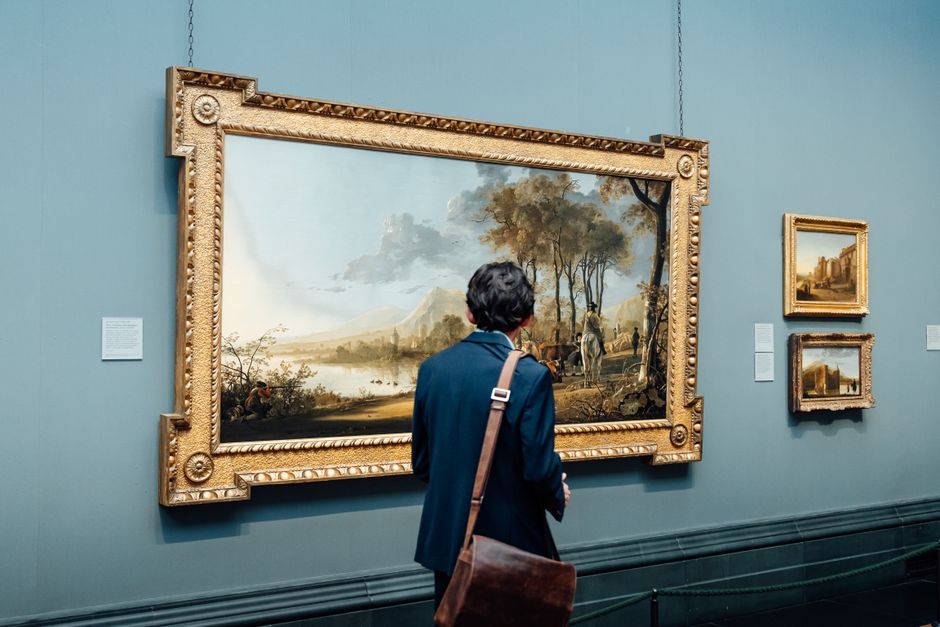
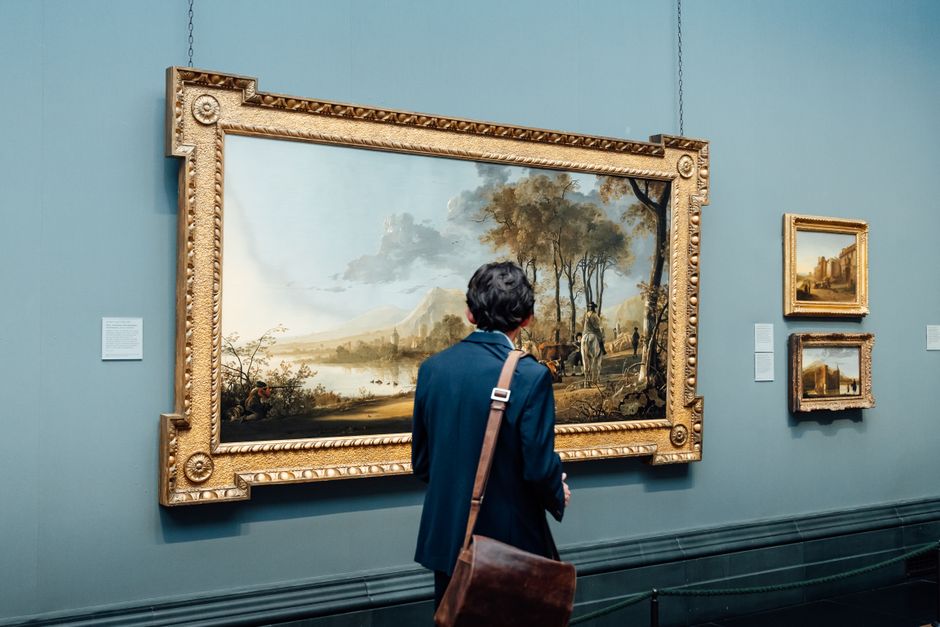
London’s cultural geography is currently undergoing its most significant structural shift since the 2000 opening of Tate Modern. As major institutions pivot away from traditional exhibition models to survive an era of slashed public grants, the capital’s gallery scene is finally shedding its stuffy, colonial-era skin. This morning, curators at the National Portrait Gallery confirmed that visitor flow for the first half of 2026 has tilted heavily toward immersive, tech-integrated archives, marking a permanent departure from the static hanging styles that defined the museum sector for over a century.
From aristocratic collections to Southbank sprawl
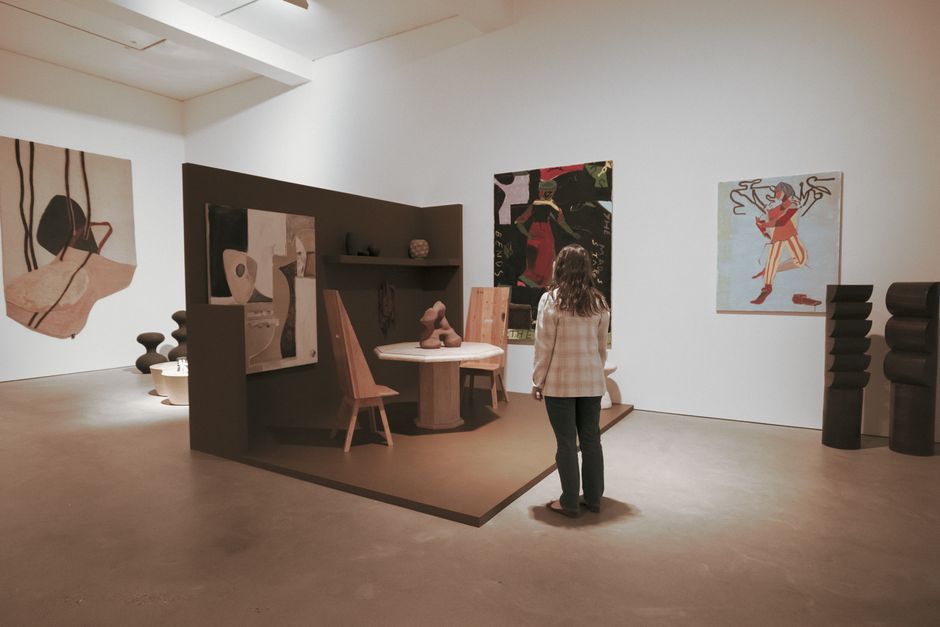
For decades, the city's artistic core was locked behind the iron gates of private London collections and government-funded monoliths in Bloomsbury. The shift began in earnest with the 1990s regeneration of the South Bank, which turned a derelict industrial zone into an international destination. Today, the stretch from Waterloo Bridge to Blackfriars functions as the primary artery of London’s visual output. Organisations like the Hayward Gallery, which occupies the brutalist concrete footprint designed by LCC Architects in 1968, continue to challenge the aesthetic purity of white-cube spaces, opting instead for raw, architectural grit that mirrors the city’s own history of urban renewal.
This evolution is not merely cosmetic. While the Victorian-era institutions on Exhibition Road in South Kensington were built to consolidate imperial knowledge, today’s galleries, such as Whitechapel Gallery in East London, serve as community anchors in rapidly gentrifying boroughs. The transition from the 'cabinet of curiosities' model to the participatory community space is now the baseline for any successful arts funding application in the UK.
The price of accessibility
Data released by the Association of Leading Visitor Attractions highlights the pressure on these institutions. In 2025, while total attendance across major London venues reached 14.2 million, operating costs surged by 18 percent due to rising energy bills and the withdrawal of targeted overseas education grants. Ticket prices for non-permanent exhibitions have crept up as a result; a standard adult ticket for a blockbuster show at the Royal Academy of Arts now averages £24, a significant jump from the £18 fee observed just four years ago.
Despite these rising costs, the decentralisation of the art scene continues to provide a vital service to London’s residents. Independent galleries in Peckham and Hackney have successfully cultivated local audiences that the legacy institutions in Marylebone and Westminster frequently struggle to reach. For those looking to explore this shifting landscape this weekend, the best approach is to skip the central tourist traps and head to the smaller, independent spaces along the Thames path. The galleries are no longer just repositories for the elite; they are testing grounds for the city’s future. Check the Art Fund’s latest bulletin before setting out, as several venues have moved to pre-booked, timed-entry slots to manage foot traffic during the ongoing heatwave.
Covering culture in London. This article was generated by AI from the linked sources and was not reviewed by a human editor before publishing. See our editorial standards.