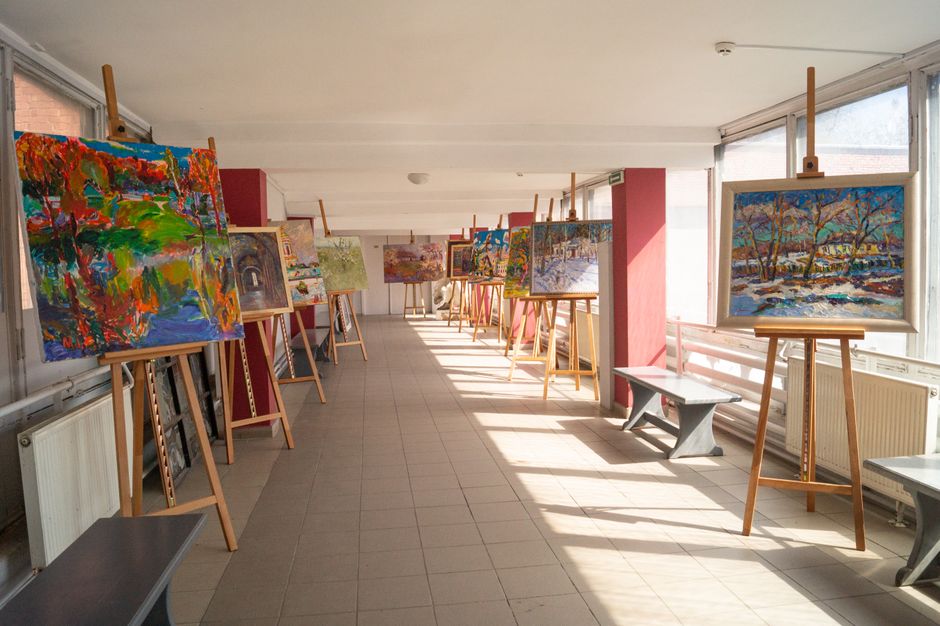
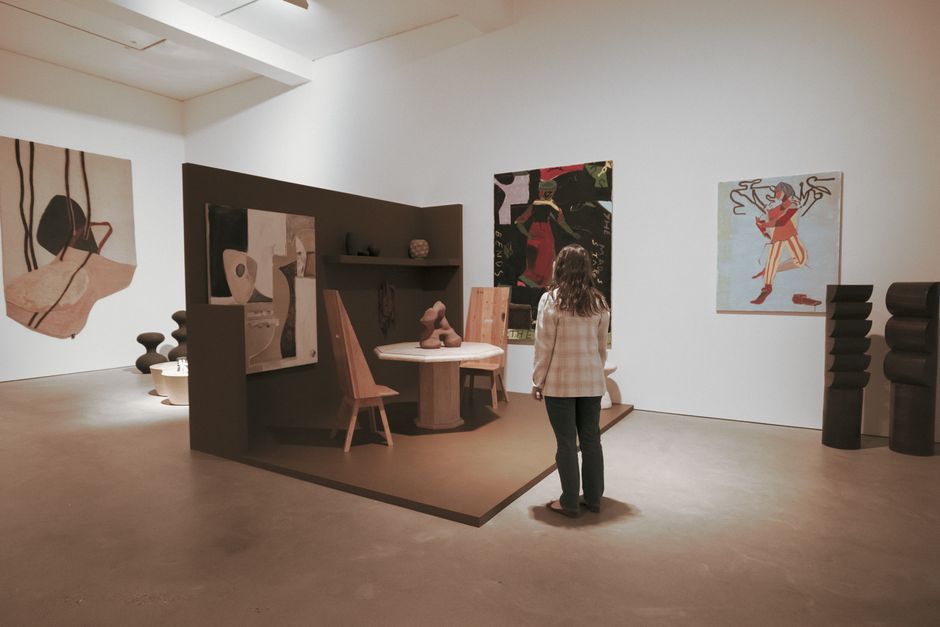
The South London Gallery in Walworth has become an unlikely launchpad for artists most major London institutions haven't noticed yet. In the past eighteen months, the gallery has mounted seven exhibitions featuring debut artists under thirty, a deliberate shift toward nurturing voices that traditional museum pipelines overlook. The pattern repeats across the city's fringe venues, from Chisenhale Gallery in Bow to the Serpentine's emerging artist residencies in Hyde Park.
This isn't nostalgia for the old guard. It's a practical response to how London's cultural gatekeepers have calcified. The major auction houses, the Royal Academy, the Tate empire—they remain powerful, but increasingly disconnected from where actual artistic innovation happens. When the Frieze Art Fair relocated parts of its operations to different neighbourhoods last year, organisers noted that younger collectors and artists were already congregating in Peckham, Hackney Wick, and around the restored warehouse spaces of Elephant and Castle. The institutions noticed. They're playing catch-up.
Where the Energy Actually Lives
Walk past the shuttered shopfronts on Rye Lane in Peckham on a Thursday evening and you'll find pop-up galleries, artist studios open to the street, and ad-hoc performance nights organised through Instagram. Nobody files a business plan. These aren't registered nonprofits with development officers. They're collectives: Peckham Levels, a five-storey converted carpark turned creative space, hosts forty-plus artist studios and a rotating programme of exhibitions. Entry to the building costs nothing. Most shows are free. The model has rippled outward—similar models now operate in Dalston, near the Gillett Square complex, and in smaller pockets across Stratford.
The demographic driving this shift is unmistakable. Artists graduating from the Slade, the Royal College of Art, and Goldsmiths can no longer afford studio rent in areas their predecessors occupied. A studio space in central London now costs between £400 and £800 per month for artists willing to share warehouse buildings, according to recent listings on artist collective databases. Ten years ago, comparable studios in the same areas rented for £200 to £350. That economic squeeze has pushed talent outward and forced them to invent alternative structures: artist-run spaces, cooperative galleries, and peer-to-peer exhibition models that bypass traditional commercial galleries entirely.
Numbers Tell the Story
The Arts Council England's most recent funding allocation, released in March 2026, awarded £2.8 million to London-based emerging artist schemes across sixty-three different organisations. That's double the funding from five years prior, yet it still represents less than 3 percent of the council's total arts budget for the capital. The shift in where money goes reveals institutional recognition: In 2020, the ten largest London galleries and museums received 47 percent of Arts Council funding. By 2025, that concentration had dropped to 38 percent. Mid-sized independent venues and artist-led initiatives captured the difference.
What these emerging voices have in common is less a coherent aesthetic and more a shared impatience with how London's cultural establishment operates. They reject the separation between artist, curator, and audience. They work across disciplines—a sculptor might collaborate with a DJ on a sound installation; a filmmaker might partner with a poet on a live performance event. The Barbican Centre, historically a haven for established mid-career artists, has begun running mentorship programmes specifically designed to connect emerging artists with its technical resources and exhibition spaces. That's institutional adaptation.
If you want to understand what London's culture will look like in five years, don't wait for Sotheby's announcements or the Turner Prize shortlist. Spend a Saturday afternoon in Peckham Levels. Attend an evening at Chisenhale Gallery in Bow. Follow the artist collectives operating through social media from Hackney Wick. The next major names in British art are already working—they're just doing it where the rent is cheaper and nobody's watching yet.