culture
London's Free Culture Scene: How Museums Evolved From Victorian Era Today
From the radical openness of Victorian public museums to the digital-first era, London’s legacy of free access is being redefined for a new generation of visitors.
How we reported this
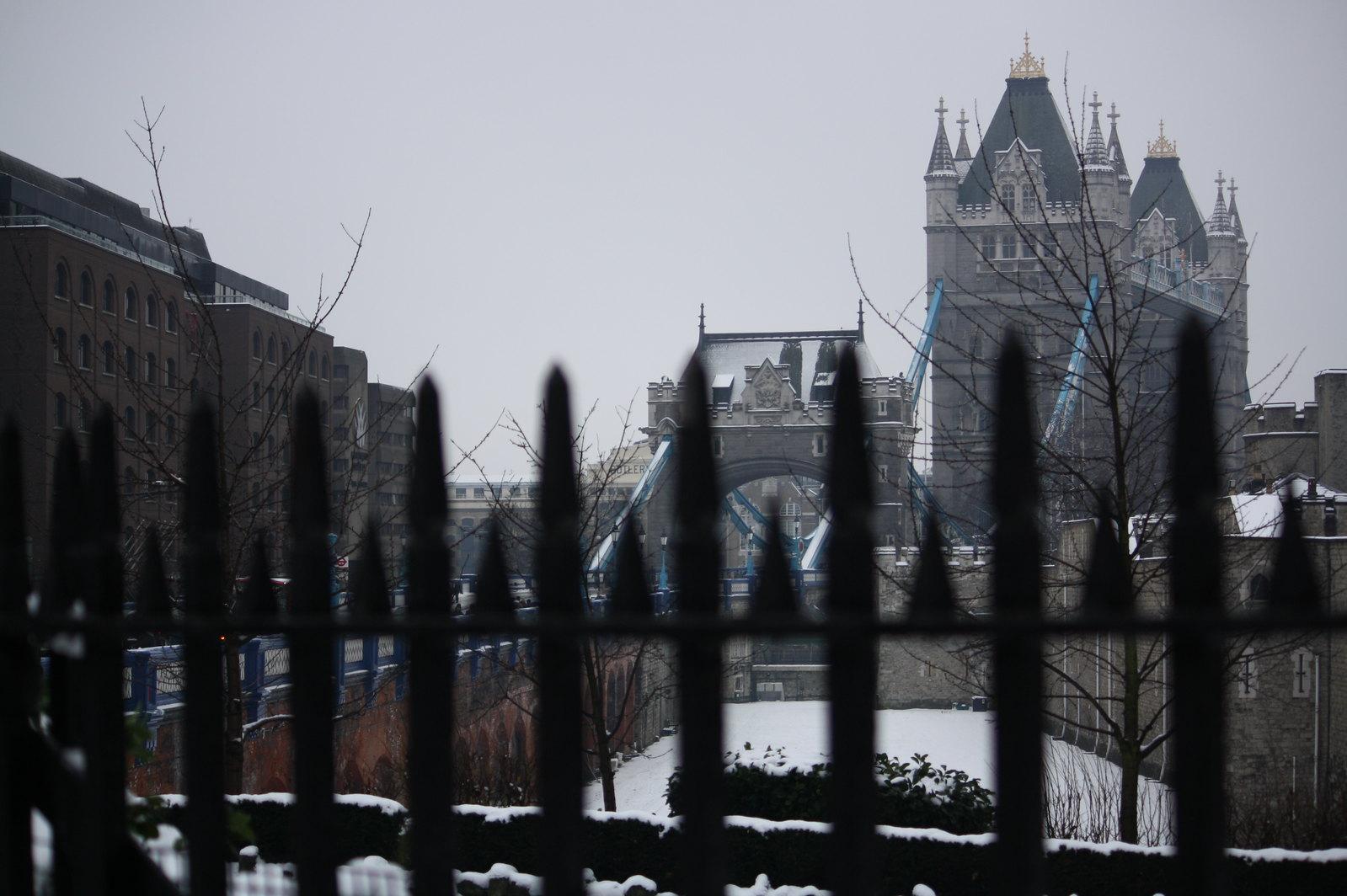
Londoners woke up this Saturday, July 5, to a city where the cost of living dominates every conversation, yet a robust network of cultural institutions remains entirely free to the public. While the price of a pint in Soho or a tube fare to Zone 6 continues to creep upward, the tradition of the gratis exhibition holds firm, rooted in the 1845 Museums Act which first empowered municipal bodies to provide space for art and science.
A Legacy of Open Access
The history of this scene is inseparable from the philanthropic impulses of the 19th century. Institutions like the British Museum on Great Russell Street have provided free access since their founding, long before the modern tourism boom. By the late 1990s, this ethos expanded significantly when the Department for Culture, Media and Sport mandated free admission for all permanent collections at national museums. This shift solidified the capital’s reputation as a sanctuary for cultural intake, regardless of a visitor’s personal wealth.
Today, this accessibility is a vital pressure valve for residents in boroughs like Camden or Kensington and Chelsea. The Natural History Museum, which saw millions of annual visitors according to their official 2024 annual report, serves as a primary example of how spaces designed for public education have successfully bridged the gap between academic research and casual weekend foot traffic. Similarly, the Tate Britain in Millbank continues to anchor the riverside, offering a vast repository of national art that requires no booking fee.
Adaptation in a Digital Age
Data from the Association of Leading Visitor Attractions (ALVA) published in early 2026 indicates that venues maintaining a 'free entry' policy continue to command the highest attendance figures across the city. Despite inflationary pressures on maintenance and security costs, institutions have adapted by shifting their revenue models toward high-margin temporary exhibitions and enhanced retail experiences within their atrium spaces. This ensures the permanent galleries remain open to all while sustaining the underlying operational infrastructure.
For those looking to explore the city today, the strategy for a zero-pound itinerary has evolved beyond just the heavy-hitting national institutions. Walking tours of the City of London’s historic livery halls or the public gardens of the Barbican Centre provide a different, outdoor-focused iteration of this free-access legacy. To make the most of the current landscape, consult the Art Fund’s real-time portal for daily exhibition updates, as many of the smaller galleries, such as the Whitechapel Gallery, still offer free access to significant contemporary works on a daily basis. Pack comfortable walking shoes, as the best way to navigate this network remains on foot, connecting the disparate free spaces that define the capital’s civic identity.