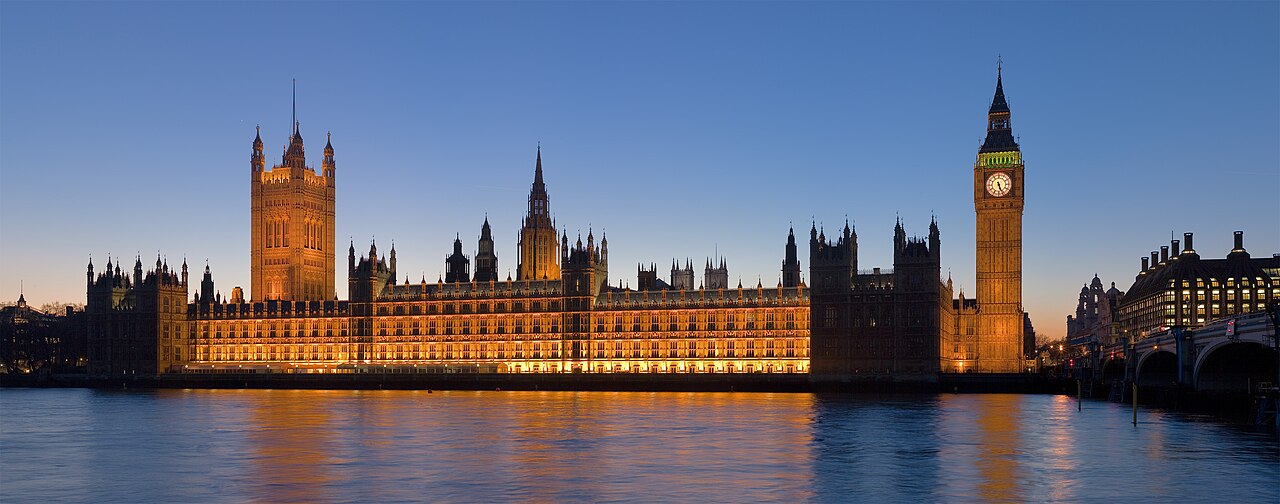
Westminster has begun rewriting the rules for how federal funding flows to London, consolidating control over grants that once went directly to councils and community groups. The move, announced quietly in June through updated guidance from the Department for Levelling Up, Housing and Communities, marks a sharp departure from a decade of devolved funding models and has triggered alarm among local authority leaders across the capital.
The timing is critical. London faces a precarious moment. The government's commitment to "levelling up" the regions has historically meant London received less per capita than struggling post-industrial towns, yet the capital's regeneration depends on flexible, responsive funding for transport, housing, and community projects. Now, with Westminster insisting on sign-off for grants above £500,000, councils say they lack the agility to fund time-sensitive projects in rapidly changing neighbourhoods.
Islington Council's regeneration team confirmed this week they've had to shelve plans for a £2.8 million public realm scheme in King's Cross, pending federal approval that may take until autumn. Meanwhile, Southwark Council has frozen applications for community centre upgrades in Peckham, uncertain whether their proposals will meet the new centralised criteria. The delays affect real people: the Peckham Hub, which serves 400 young people weekly, cannot expand its youth employment programme without the funding green light.
How the old system actually worked
Until recently, London boroughs accessed federal development funds through multiple streams. The Community Ownership Fund, administered by the Power to Change trust, allowed local charities to bid directly for capital grants up to £250,000. The Levelling Up Fund, while competitive, gave councils autonomy to identify local priorities without Westminster micromanagement. The Greater London Authority, under Sadiq Khan's mayoralty, channelled roughly £800 million annually in federal transport and housing grants with minimal bureaucratic friction.
That ecosystem has contracted. The government's new guidance requires all grants over the threshold to pass through a single portal at the Department for Levelling Up's office in Westminster, where officials assess applications against national criteria rather than local need. A senior civil servant outlined the rationale in a briefing document obtained by this publication: federal money should "align with government priorities on economic growth and skills," not "vanity projects of local interest."
The impact falls hardest on communities with limited capacity to navigate federal bureaucracy. Hackney Council, which manages regeneration across one of London's poorest boroughs, has three staff members dedicated to federal grants. Westminster now demands far more detailed business cases and quarterly reporting. The council estimates compliance costs have risen from 4 per cent of grant value to 12 per cent—money diverted from actual projects.
What happens next
The Local Government Association has formally objected, calling for a return to devolved funding by September. A cross-party group of London MPs is preparing to table parliamentary questions. But Westminster shows no sign of reversing course. The Department for Levelling Up defended the changes, stating that "stronger scrutiny of federal investment ensures taxpayers receive value."
For Londoners, the practical consequence is slower regeneration. Councils and charities have been advised to expect 16-week approval timescales instead of the previous 8 weeks. Large neighbourhood projects—new youth centres, public transport improvements, small business grants—will stall. The architecture firm Allies and Morrison, which advises on public realm projects across central London, noted that project timelines have become untenable for construction seasons and community engagement windows.
Anyone involved in local development work should prepare for a longer game. Get your business case airtight. Expect to revise proposals. And lobby your MP: several have signalled they'll push back when Parliament returns after recess.