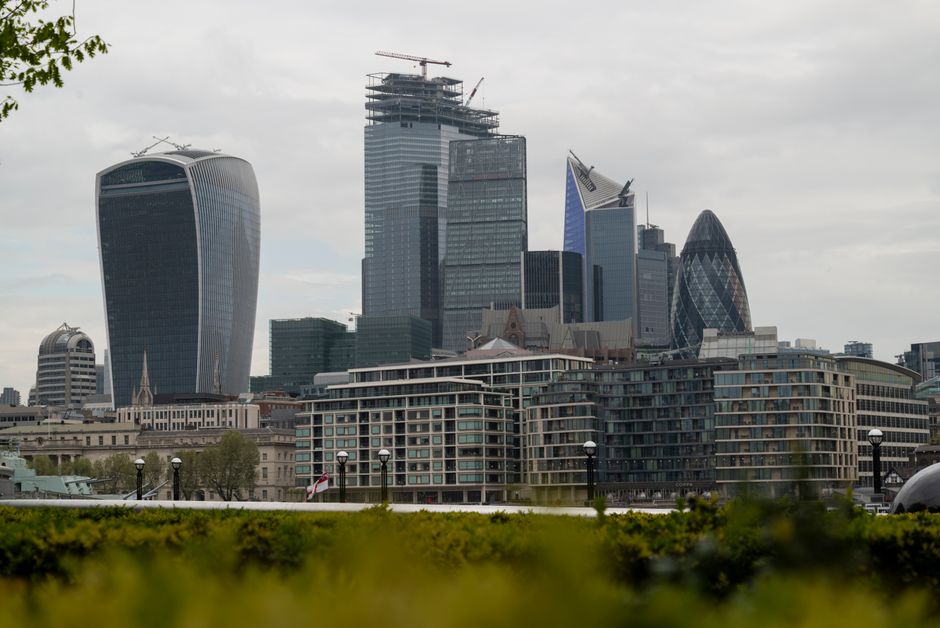
While the S&P 500 shed 1.95 per cent and the Nasdaq collapsed 4.60 per cent on Monday, the FTSE 100 advanced 0.57 per cent to close at 10,497, a quietly telling divergence that income investors in ISAs and self-invested personal pensions would do well to examine carefully. The London benchmark's resilience is not accidental. It is, in large part, a function of its dividend architecture, and right now that architecture is earning its keep.
The FTSE 100 has long been characterised by its heavy weighting toward sectors that generate thick, predictable cash flows: energy, mining, financials, pharmaceuticals and consumer staples. These are not growth darlings, and they are not priced as such. What they are is reliable remitters of capital to shareholders, and in a market environment where technology valuations are being aggressively repriced, that reliability carries a premium that the yield-chasing pension community is beginning to recalculate.
Where the Yield Is, and Where the Risk Lies
Gold's surge to US$4,058 per ounce, up 1.69 per cent on the session, is instructive context. When the classic risk-off trade accelerates this sharply, it typically reflects anxiety about earnings durability elsewhere. For London investors, the corollary is that domestic miners with gold exposure are seeing asset valuations rise even as their dividend commitments, set in prior reporting periods, remain intact. That combination of capital appreciation and income continuity is precisely what defined-benefit pension trustees and retail ISA holders are seeking in a choppy year.
The energy complex tells a more nuanced story. WTI crude slipped to US$70.06 per barrel, down 0.40 per cent, which keeps a modest ceiling on the revenue outlook for integrated oil majors listed in London. Those companies have in recent years committed to progressive dividend policies and share buyback programmes that partially insulate shareholder returns from short-term commodity moves. At current crude levels, the market will be scrutinising whether free cash flow remains sufficient to honour those commitments through the second half of 2026.
Sterling's mild retreat against the dollar, with GBP/USD at 1.3237, actually flatters the dividend arithmetic for many FTSE 100 constituents. Roughly 70 per cent of index revenues are earned overseas and reported in dollars, euros or emerging-market currencies. When sterling weakens, translated earnings rise in sterling terms, providing a natural buffer to declared dividend cover ratios that would otherwise face compression.
British American Tobacco's announced cut of 9,000 jobs is a reminder that the defensive income trade is not without its structural pressures. Tobacco has long been a cornerstone of London dividend portfolios, but as volume declines accelerate and regulatory costs mount, the sustainability of headline yields warrants fresh scrutiny rather than passive assumption.
For income investors reviewing their mid-year scorecard, the message from today's session is pointed. The FTSE 100's outperformance relative to its American peers is real and rooted in dividend discipline, but it demands active monitoring of cover ratios, currency translation and commodity exposure as the second half of the year begins.
This article was compiled by AI from the sources linked above and screened before publishing. See our editorial standards.