Gold hit $4,187 a troy ounce on Friday, a gain of more than 4 percent in a single session, as investors piled into the metal even as equities surged simultaneously. That combination, a simultaneous bid for safe-haven assets and risk, is unusual enough to demand explanation. The short answer is that markets are pricing a world in which central banks are moving toward easing, the dollar is softening, and geopolitical uncertainty has not gone away. All three of those forces are feeding gold at the same time they are lifting stocks. For pension-fund trustees and ISA holders in London, the day's moves are not noise.
The FTSE 100 closed at 10,679, up 1.63 percent, its best single-session performance in several weeks. The index was carried higher by a handover from Asian markets, which had advanced on softer US Treasury yields overnight, and by a surge in sterling. The pound touched $1.3350 against the dollar, a rise of 1.16 percent on the day, which compresses the translation boost that multinational earners on the index normally enjoy. Investors who have been betting on FTSE 100 names for their dollar-revenue hedging properties, think energy majors and diversified miners, will want to reassess that calculus. A stronger pound is a quiet headwind for the roughly 70 percent of FTSE 100 revenues that originate overseas.
Wall Street Sets the Pace, London Follows
By the time New York opened, the European session had already established the tone. The S&P 500 reached 7,483, gaining 1.71 percent, while the Nasdaq Composite climbed to 25,833, a rise of 1.87 percent. The technology-heavy Nasdaq's outperformance over the broader S&P 500 suggests the session's enthusiasm was concentrated in growth stocks, where rate-sensitive valuations benefit most from any expectation of easier monetary conditions ahead. The Nasdaq's move to 25,833 represents a substantial level; fund managers running global equity mandates out of the City will be acutely aware that their benchmark exposures to US technology are now contributing meaningfully to year-to-date returns.
Crude oil was the single clear outlier. WTI fell 2.78 percent to $68.78 a barrel, a sharp divergence from the equity rally that typically correlates with energy prices in risk-on sessions. The drop points to demand concerns rather than supply disruption, a reading consistent with mixed industrial data circulating in overnight wire services. For BP and Shell, both FTSE 100 constituents and significant weights in UK pension-fund equity allocations, the oil move is a counterweight to the broader market cheer. Energy sector dividends, a staple of income-focused UK portfolios, face some pressure if crude holds below $70 for an extended period.
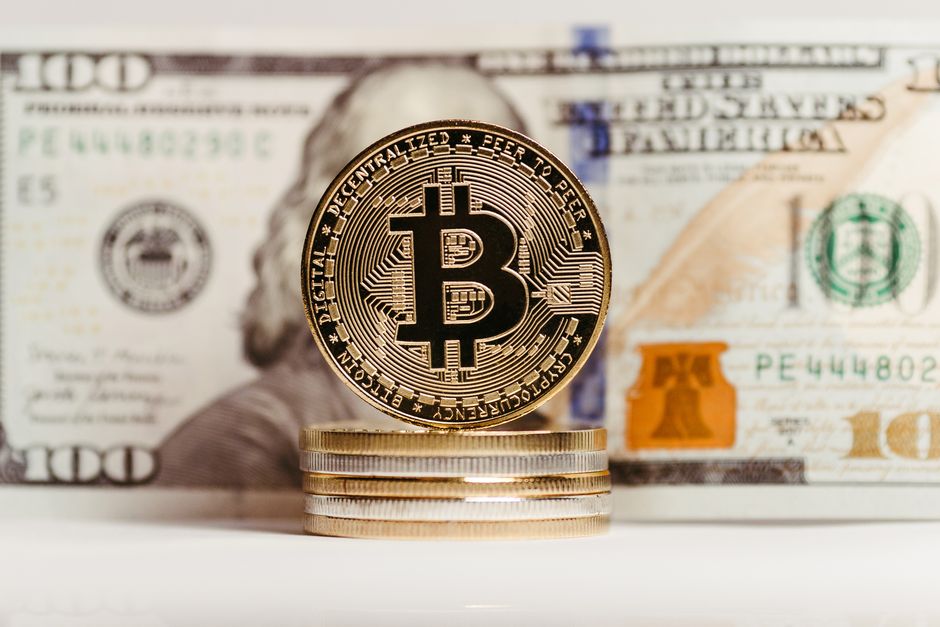
Bitcoin added 6.66 percent to reach $62,456. The cryptocurrency's sharp move higher on a day when gold also surged reinforces a pattern that has frustrated traditional asset-allocation models: both the oldest store of value and the newest are being treated as dollar-weakness plays simultaneously. For retail investors in the UK, where cryptocurrency holdings through platforms such as Coinbase and eToro have grown substantially since 2021, the move is a reminder that digital assets remain highly volatile and still correlated with liquidity conditions rather than fundamentals.
The sterling move deserves particular attention from London readers. At $1.3350, the pound is at levels that reduce the cost of dollar-denominated imports, including energy and a range of commodities priced in US dollars. That is modestly disinflationary for UK households, and it nudges the Bank of England's calculus on the pace of any future rate adjustments. Gilt yields edged lower during the European session, reflecting the same global rate-easing narrative that drove equities. For holders of fixed-rate UK savings products, that means the window for locking in elevated rates may be shortening, even if the Bank of England has not yet acted.
The global picture on July 4, with Wall Street closed for the Independence Day holiday for part of the trading day but futures active throughout, is one of broad confidence that the tightening cycle is genuinely behind markets. The simultaneous gains in equities, gold, and bitcoin, alongside the fall in oil, suggest positioning rather than fundamental repricing. July and August historically bring thinner liquidity and sharper reversals. City traders returning to desks on Monday will be watching whether the Friday moves hold or whether this was an Independence Day rally on light volume that flatters the tape. The FTSE 100 at 10,679 and the pound at $1.3350 are real levels; the question is whether the catalysts behind them are equally durable.