Why London Stands Apart: What Global Relocators Need to Know
Moving to the capital? Here's what genuinely sets it apart from every other major city on Earth.
3 min read
Updated 3 h ago
Moving to the capital? Here's what genuinely sets it apart from every other major city on Earth.
3 min read
Updated 3 h ago
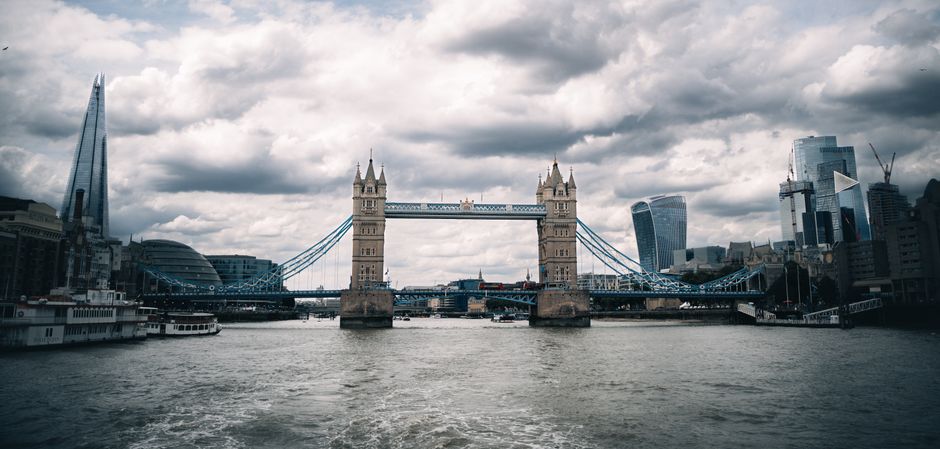
London attracts roughly 300,000 international relocators annually, yet many arrive expecting something closer to New York, Paris or Singapore. What they discover instead is a city that operates on fundamentally different principles—and that's precisely why it captivates so many.
Start with geography and history layered impossibly close together. Walk from the medieval alleyways around St Paul's Cathedral straight into the glass towers of the City, and you're experiencing 2,000 years compressed into fifteen minutes. Most global cities favour either preservation or progress. London refuses to choose. This creates an almost archaeological approach to daily life: your morning coffee in Shoreditch might come from a converted Georgian townhouse; your evening drinks in Borough Market play out beneath Victorian railway arches. That constant collision between centuries shapes everything from architecture to attitudes.
The transport network, despite its reputation for delays, operates at a scale and complexity few cities match. The Tube reaches into 272 stations across 402 kilometres. For newcomers from North American cities, where public transport often feels like an afterthought, London's 24-hour weekend service on select lines and genuine walkability of neighbourhoods like Clapham and Bethnal Green represent genuine culture shock—in the positive sense. Yes, a Zone 1 annual travelcard costs around £1,600, but you're not forced into car dependency like most of your peers back home.
Then there's the genuine multiculturalism, which operates differently here than elsewhere. London isn't a melting pot—it's closer to a mosaic. In Whitechapel, you'll find Bengali restaurants serving food more authentic than what exists in Dhaka's expat areas. Brixton's Afro-Caribbean community has shaped music and culture globally. Chinatown remains distinctly Cantonese. Rather than blending into a generic 'international' identity, communities maintain distinct characters while coexisting. This creates unexpected depth: you can spend years discovering layers.
The work-life philosophy also differs markedly. Unlike the hustle-obsessed cultures of tech hubs or the rigid hierarchies of older financial centres, London's professional culture permits eccentricity. Your colleagues will expect you to take your full holiday allowance (typically 28 days statutory minimum), and leaving the office at 17:30 raises no eyebrows. This doesn't mean less ambition—it means ambition expressed differently.
Finally, the weather-induced social rituals create community in unexpected ways. The first genuinely warm day triggers mass migration to parks: Regent's Park, Hampstead Heath, the Serpentine. Every pub becomes an outdoor beer garden overnight. This collective seasonal experience, absent in climates with reliable sun, generates shared belonging that international newcomers often underestimate.
London doesn't try to be 'the best city.' It simply remains stubbornly, impossibly itself—and that authenticity is precisely what keeps people returning.
This article was compiled by AI from the sources linked above and screened before publishing. See our editorial standards.
About this article
Published by The Daily London
Spread the word
Daily brief
Free, in your inbox before 7am. Weekdays.
The Daily Network — independent news worldwide