Why London's Markets Beat the World: A Buyer's Guide to Our Unrivalled Retail Culture
From Camden's eclectic vintage scene to Borough's artisanal ethos, London's shopping markets offer something no other global city can quite replicate.
3 min read
From Camden's eclectic vintage scene to Borough's artisanal ethos, London's shopping markets offer something no other global city can quite replicate.
3 min read
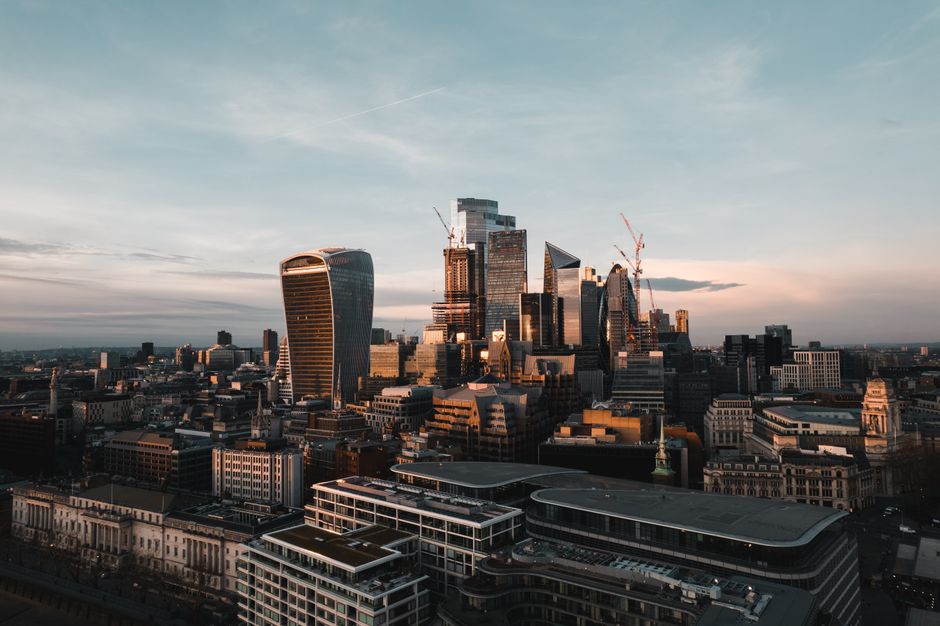
Walk into Portobello Road on a Saturday morning and you'll understand why London's market culture remains unmatched globally. While New York has its flash, Paris its refinement, and Tokyo its precision, London possesses something rarer: democratic chaos that somehow works.
The numbers tell part of the story. London hosts over 100 active street markets, from the sprawling Borough Market—welcoming roughly 100,000 visitors weekly—to intimate neighbourhood finds tucked between residential streets. Compare this to most major cities, which struggle to maintain a dozen genuinely thriving outdoor markets. This density creates genuine diversity within walking distance.
What distinguishes London's retail landscape is its refusal to homogenise. Brick Lane's Sunday market juxtaposes vintage fashion stalls with immigrant-owned businesses selling everything from Bengali sweets to handmade leather goods. Simultaneously, Camden Market pulls crowds with its theatrical mix of alternative fashion, vintage records, and independent jewellers. Neither market reads like a theme park; both feel genuinely lived-in.
The economics favour discovery too. Market traders here typically operate on modest margins, meaning prices remain competitive. A vintage leather jacket might cost £60–£100 at Portobello, undercutting Chelsea boutiques by half. Borough Market's independent fishmongers and cheesemakers offer quality comparable to Paris's specialist shops but without the prestige markup.
Perhaps most crucially, London's markets reflect the city's actual demographic composition. Brixton Market remains anchored by Caribbean businesses that have operated there for forty years. Whitecross Street Market in Clerkenwell balances established greengrocers with newer artisanal food vendors. This organic layering—old businesses alongside new—rarely survives in cities that prioritise redevelopment cycles.
International visitors often miss what locals understand: these aren't heritage attractions for tourists. They're functioning commercial spaces where Londoners actually shop. When Borough Market expanded its coverage, local restaurants and caterers lobbied successfully to protect trader diversity rather than simply maximising premium brands.
That distinction matters enormously. Markets in other cities have increasingly become curated experiences, algorithms determining vendor lineups. London's markets remain too fragmented, too embedded within neighbourhood life, for that centralised approach to fully take hold. Your local East London street market probably still includes the same cheese seller who's operated there since 1998.
This resilience isn't accidental. It reflects London's particular gift for tolerating contradiction—glamour alongside grit, tradition alongside constant reinvention. The shopping markets simply reflect that character back at us, which is precisely why no other city's markets feel quite like ours.
This article was compiled by AI from the sources linked above and screened before publishing. See our editorial standards.
About this article
Published by The Daily London
Spread the word
Daily brief
Free, in your inbox before 7am. Weekdays.
The Daily Network — independent news worldwide