Beyond the Postcode: What Really Makes a London Neighbourhood Home
New arrivals to the capital often focus on transport links and rental prices, but the true soul of a neighbourhood lives in its people, quirks and everyday rhythms.
2 min read
New arrivals to the capital often focus on transport links and rental prices, but the true soul of a neighbourhood lives in its people, quirks and everyday rhythms.
2 min read
Moving to London can feel like stepping into a kaleidoscope. The city's 32 boroughs each claim distinct identities, yet newcomers rarely dig beneath surface-level research—checking TfL maps and Rightmove listings without understanding the actual texture of daily life.
Take Walthamstow, where the Tuesday street market has operated since the 14th century. It's the longest street market in Europe, attracting residents across age groups and backgrounds. Walk down the market's length on a summer morning, and you'll encounter the neighbourhood's real character: independent grocers selling fresh produce, the smell of jerk chicken wafting from established Caribbean spots, and conversations in Yoruba, Polish, and Mandarin. This is where Walthamstow lives, not in the Victorian conversion prices (averaging £550,000 for a two-bed) that estate agents push.
Similarly, Peckham's transformation offers lessons for arriving professionals. The neighbourhood's creative energy crystallises around independent venues like Peckham Levels and Rye Lane's eclectic independent shops. Yes, it's gentrifying—median flat prices have jumped nearly 40 percent in five years—but the backbone remains a fiercely independent community that has resisted homogenisation. The vibe depends entirely on embracing local establishments rather than chain franchises.
What separates thriving relocation experiences from lonely ones often comes down to a single variable: participation in neighbourhood life beyond your flat's walls. Neighbourhoods like Stoke Newington offer established community structures—the Clissold Park running community, Turkish cafés on Green Lanes, the Broadway Market Saturday routine—that newcomers can slot into organically. Bromley-by-Bow, meanwhile, requires more deliberate effort; quieter and more residential, its character emerges through the Bromley-by-Bow Centre's community programmes rather than street-level visibility.
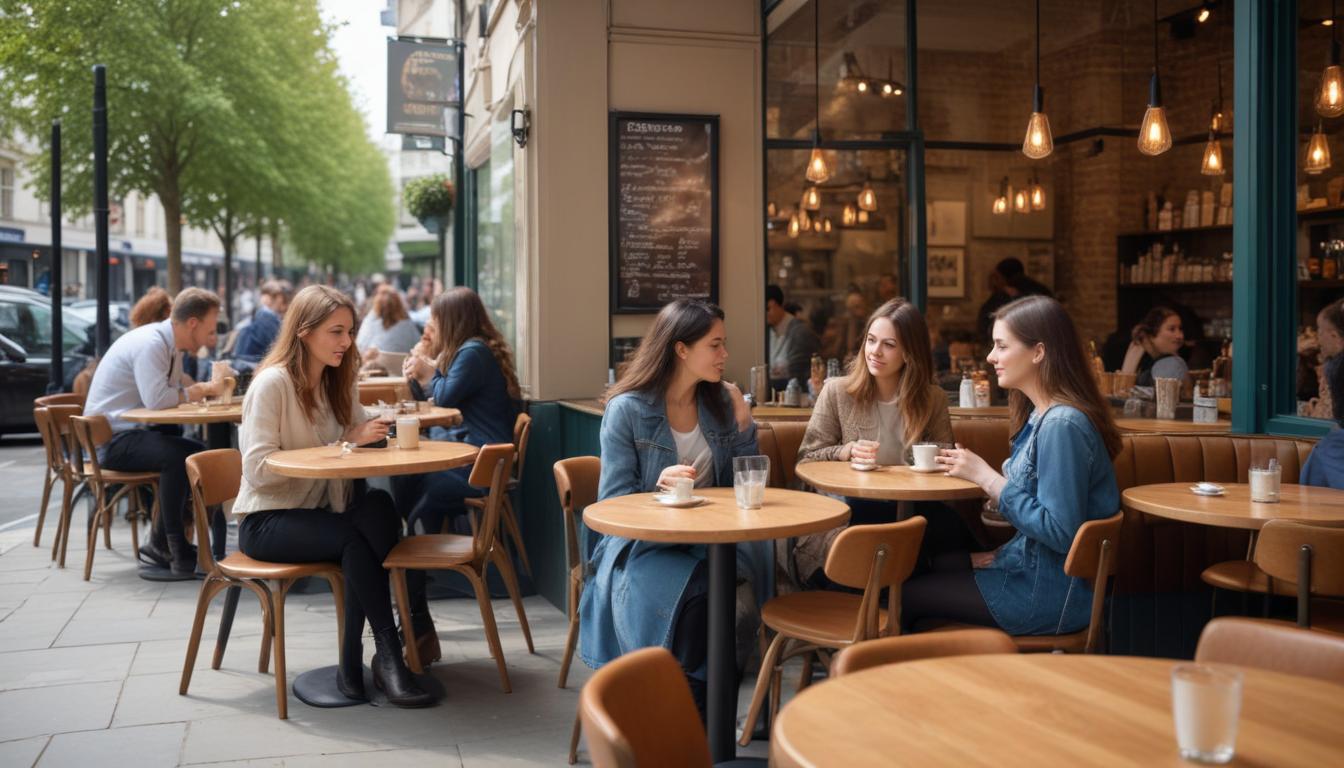
For relocation professionals, this means reframing neighbourhood research entirely. Yes, check commute times to Canary Wharf or King's Cross. Yes, understand local authority council tax bands. But spend a Tuesday evening sitting in a café on your prospective high street. Visit on a Saturday, not a weekday. Ask locals where they actually spend their time, not where estate agents suggest they should.
The most successful London newcomers treat their neighbourhood like a magazine they're learning to read, rather than a map they've already studied. The character and community vibe emerges not from postcodes or property portals, but from showing up, repeatedly, in the places where everyday life happens.
This article was compiled by AI from the sources linked above and screened before publishing. See our editorial standards.


About this article
Published by The Daily London
Spread the word
Daily brief
Free, in your inbox before 7am. Weekdays.
The Daily Network — independent news worldwide