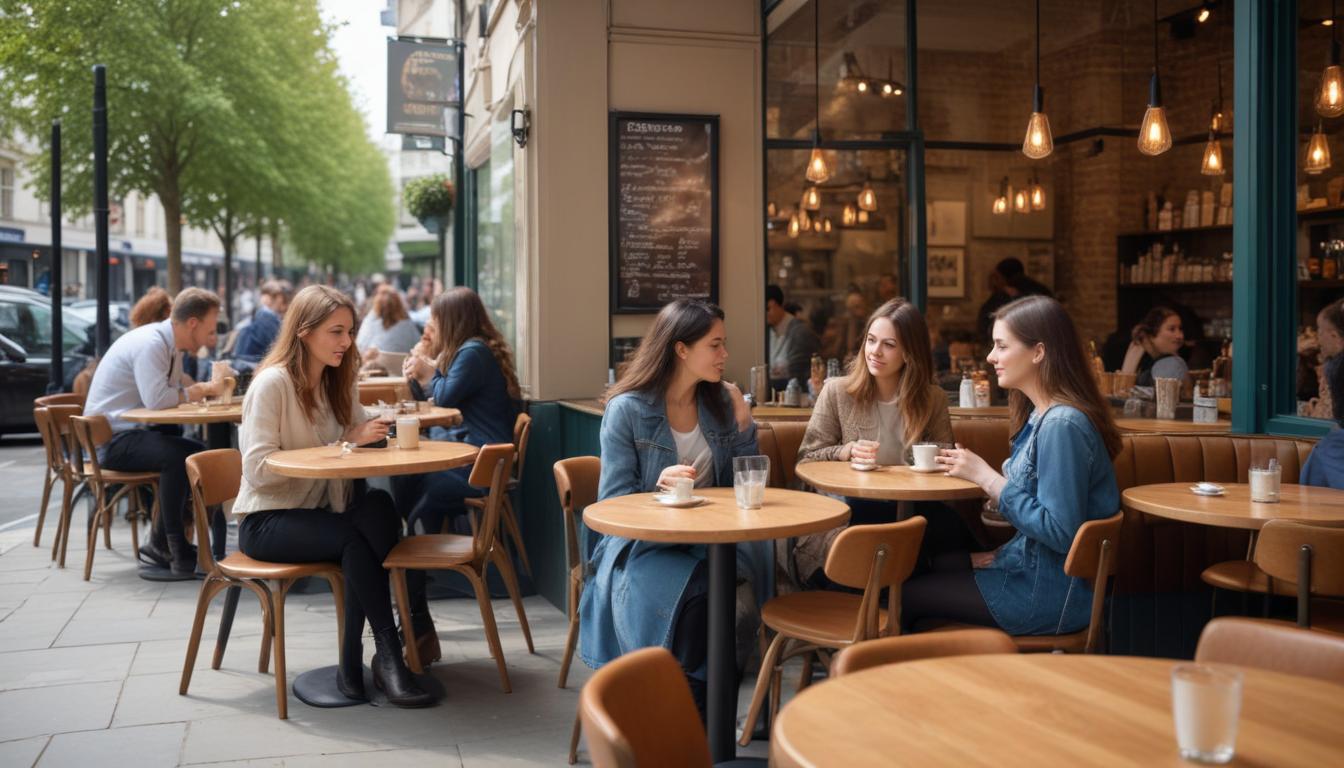
If you arrived in London before 2023, you might barely recognise it now. The post-pandemic city has undergone a quiet but profound transformation—one that's caught even seasoned residents off guard. For expats considering the move, or those freshly arrived, the good news is simple: the London everyone's talking about is actually worth the hype.
The most visible change has been the resurrection of overlooked neighbourhoods. Walthamstow Village, long dismissed as peripheral, has emerged as a genuine alternative to overheated Hackney, with independent bookshops, craft breweries and a weekly farmers' market anchoring the high street. Rents here hover around £1,800 for a one-bedroom flat—steep by global standards, but a 15 per cent drop from 2024 as overflow from central zones spreads eastward. Similar stories play out in Peckham and Nunhead, where Spanish delis sit alongside established Caribbean grocers, creating genuinely multicultural streets rather than homogenised food halls.
The Elizabeth Line's full opening last year didn't just improve transport; it recalibrated where people want to live. Bethnal Green, Whitechapel and Canary Wharf no longer feel like separate cities. That connectivity has triggered a virtuous cycle: better transport meant more independent venues could survive, which attracted younger renters, which brought further investment. The result feels organic rather than developer-led.
Perhaps most significantly, London's cultural venues have decentralised. The Barbican still dominates, but the Roundhouse in Camden, the Southbank Centre and newer spaces like the Hackney Empire are programming at competitive levels. The Institute of Contemporary Arts on The Mall underwent a £20 million renovation completed in 2024, reopening as something between a gallery and community space—free entry to exhibitions, subsidised café prices, genuinely welcoming to newcomers.
For practical newcomers, organisations like Settle have stepped into the gap. Unlike generic relocation firms, they now connect new arrivals with neighbourhood networks before they land, and many boroughs run induction programmes. Integration no longer depends entirely on luck or friendship circles.
The trade-off? London remains expensive. A couple earning combined £80,000 will find comfort in zones 2-3, but not luxury. The genuine shift, however, is psychological. Locals—long accustomed to treating their own city as a tourist destination—are actually spending time locally again. They're using parks beyond their immediate area, eating at restaurants on their own high streets, joining community projects.
For expats, that means arriving in a city that's simultaneously recovering its neighbourhood identity while remaining genuinely international. The London of 2026 rewards curiosity about its own geography.
This article was compiled by AI from the sources linked above and screened before publishing. See our editorial standards.