London's Markets Are Transforming: Here's Why the City's Shoppers Can't Get Enough
From Portobello Road to Borough, independent vendors and digital innovation are reshaping how Londoners discover and buy local.
3 min read
From Portobello Road to Borough, independent vendors and digital innovation are reshaping how Londoners discover and buy local.
3 min read
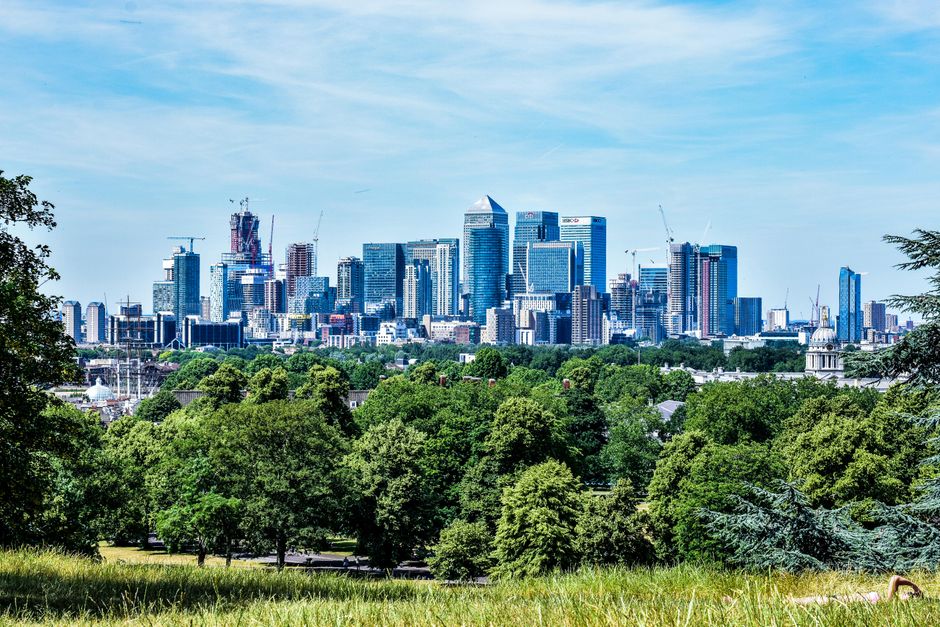
Walk through Portobello Road on a Saturday morning and you'll notice something different. The antique dealers who once dominated West London's most famous market have made room for a new wave of sustainable fashion vendors, zero-waste refill shops, and artisan food producers. This shift reflects a broader transformation across London's markets that's capturing the imagination of locals tired of high-street homogeneity.
Borough Market, that beloved Southwark institution, has seen a remarkable evolution. While it still draws tourists by the thousand, the market's independent trader base has grown by nearly 15% since 2023, according to data from the London Markets Association. Young entrepreneurs are claiming stalls previously dominated by established names, bringing hyper-local produce, fermented goods, and innovative street food to the 950-year-old marketplace. A 250ml bottle of small-batch kombucha now sits comfortably next to traditional British pies—a fusion that somehow works.
The real revolution, however, is invisible. Markets across the capital—from Brixton's emerging wellness section to Greenwich's revitalised weekend trading—have embraced digital integration. QR codes link to vendor backstories. Payment apps have largely replaced cash-only frustrations. The London Markets Association reports that foot traffic to traditional markets grew 8% last year, a stark reversal of pre-pandemic decline.
What's driving this renaissance? Partly it's nostalgia in an age of Amazon saturation. But there's something more deliberate happening. Stallholders report that younger shoppers—millennials and Gen Z—actively seek out markets as antidotes to sterile shopping centres. They want provenance, sustainability, and human connection. A vintage leather jacket from a Camden Passage trader carries narrative weight that a high-street equivalent simply doesn't.
Neighbourhood markets are thriving too. Bermondsey's Saturday antique market, once considered niche, now attracts design professionals searching for statement pieces. Meanwhile, Leather Lane in Clerkenwell has repositioned itself beyond its lunchtime food crowd, adding evening cultural events that pull in locals who wouldn't normally venture there.
The economics are compelling. Independent market traders report average annual footfall increases of 20-30% compared to 2024. Meanwhile, London's rental crisis has paradoxically benefited markets; stall fees (ranging from £50 to £300 weekly depending on location) remain far more accessible than shop leases exceeding £30,000 annually.
For Londoners weary of corporate retail, markets represent something precious: authentic discovery. Whether it's sourcing rare spices on Brick Lane or hunting vintage at Portobello, these spaces have reclaimed their role as the city's beating commercial heart. And locals are voting with their feet—and their wallets.
This article was compiled by AI from the sources linked above and screened before publishing. See our editorial standards.
About this article
Published by The Daily London
Spread the word
Daily brief
Free, in your inbox before 7am. Weekdays.
The Daily Network — independent news worldwide