London's transport infrastructure remains one of Europe's most comprehensive, yet navigating costs and access can feel daunting for newcomers and seasoned residents alike. Whether you're commuting from Croydon to the City, or hopping between South Bank and Shoreditch, understanding your options is crucial.
The Oyster card and contactless payment system remain the most economical routes for regular travel. As of mid-2026, a daily cap on contactless means you'll never pay more than a day travelcard: roughly £11.55 for Zones 1-2 on a weekday. Weekly caps work out even cheaper—approximately £47 for Zone 1-2, making them ideal for office workers commuting along the Central or Northern lines.
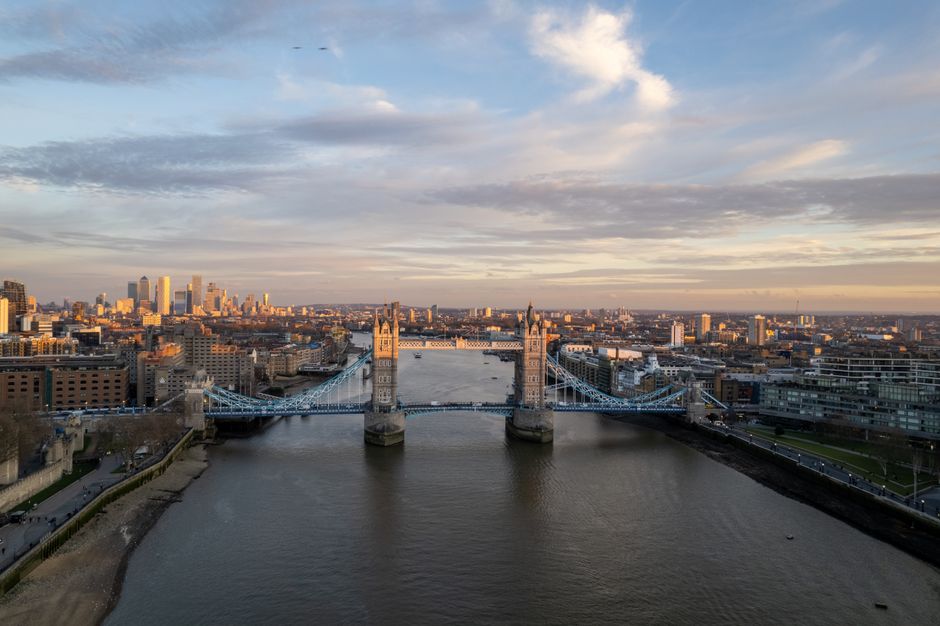
Walking remains London's underrated transport solution. The Jubilee Line extension to Canary Wharf in the 1990s fundamentally changed East London accessibility, yet many commuters overlook the 20-minute walk from Liverpool Street to King's Cross—saving £1.75 per journey. Similarly, the Thames Path between Westminster and Tower Bridge offers a scenic alternative to the District Line for south-side residents.
For those based further out—say, in Ealing or Eltham—TfL's Night Tube services (currently operating Friday and Saturday nights on the Central, Northern, and Jubilee lines) provide late-night alternatives without surge pricing. However, expect modest crowds after midnight.
Cycling infrastructure has expanded significantly. Santander Cycles remain popular around central zones, with daily access passes at £3.80, though locals often opt for annual memberships (£90) if making multiple journeys weekly. The Elizabeth Line's completion has reshaped commuting dynamics entirely; trains from Reading or Abbey Wood bypass congestion at key interchange points like Canary Wharf and Bond Street.
Budget considerations matter most for occasional travellers. A single Zone 1-2 journey costs £1.75 off-peak (after 9:30am weekdays) and £2.80 at peak times. For tourists planning museum visits in South Kensington or theatre trips in the West End, Day Travelcards (£13.50 Zones 1-2) often work out cheaper than multiple contactless journeys.
London's accessibility standards remain strong—over 100 Underground stations now have step-free access—though Transport for London's website remains your essential resource for planning routes with mobility considerations.
The golden rule? Plan your journey type first. Daily commutes warrant weekly caps; occasional ventures suit contactless; and anyone seriously considering relocation should calculate realistic monthly costs before committing. London's transport costs are genuinely navigable with the right approach.
This article was compiled by AI from the sources linked above and screened before publishing. See our editorial standards.