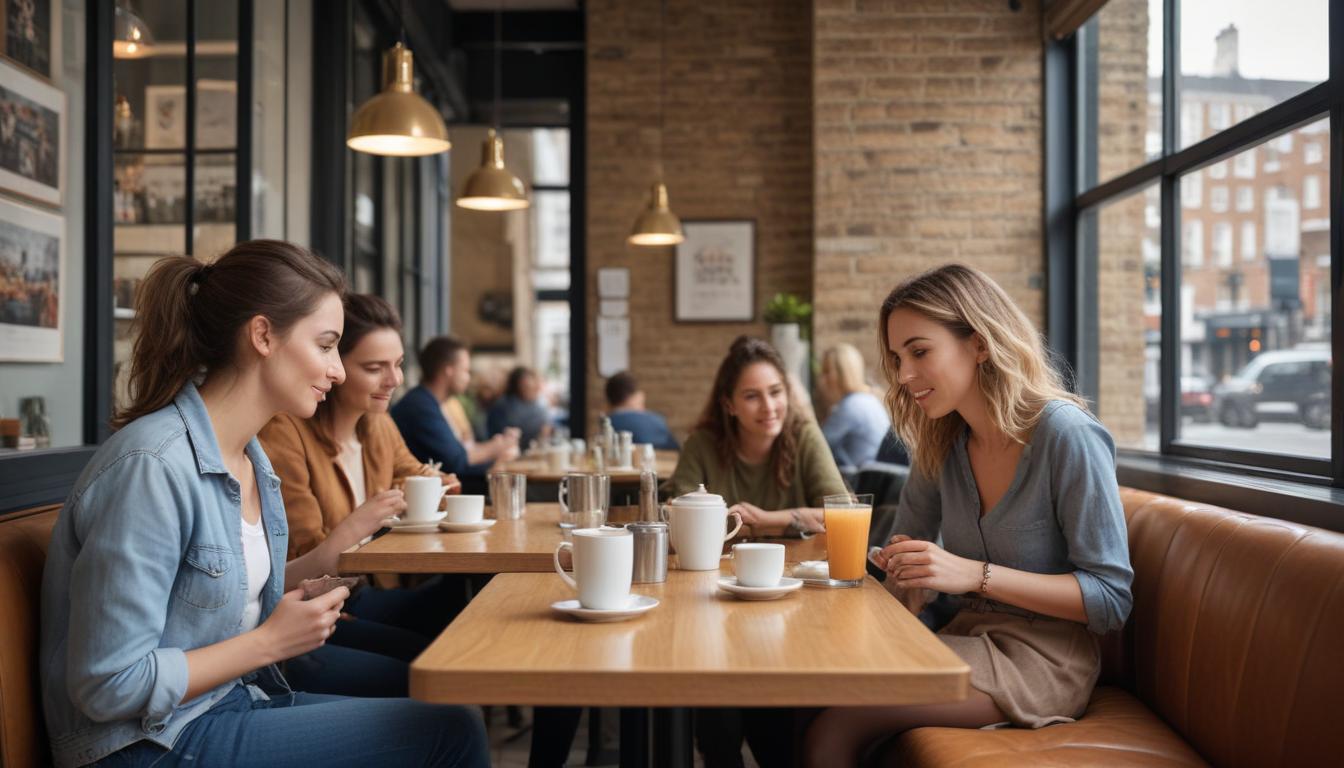
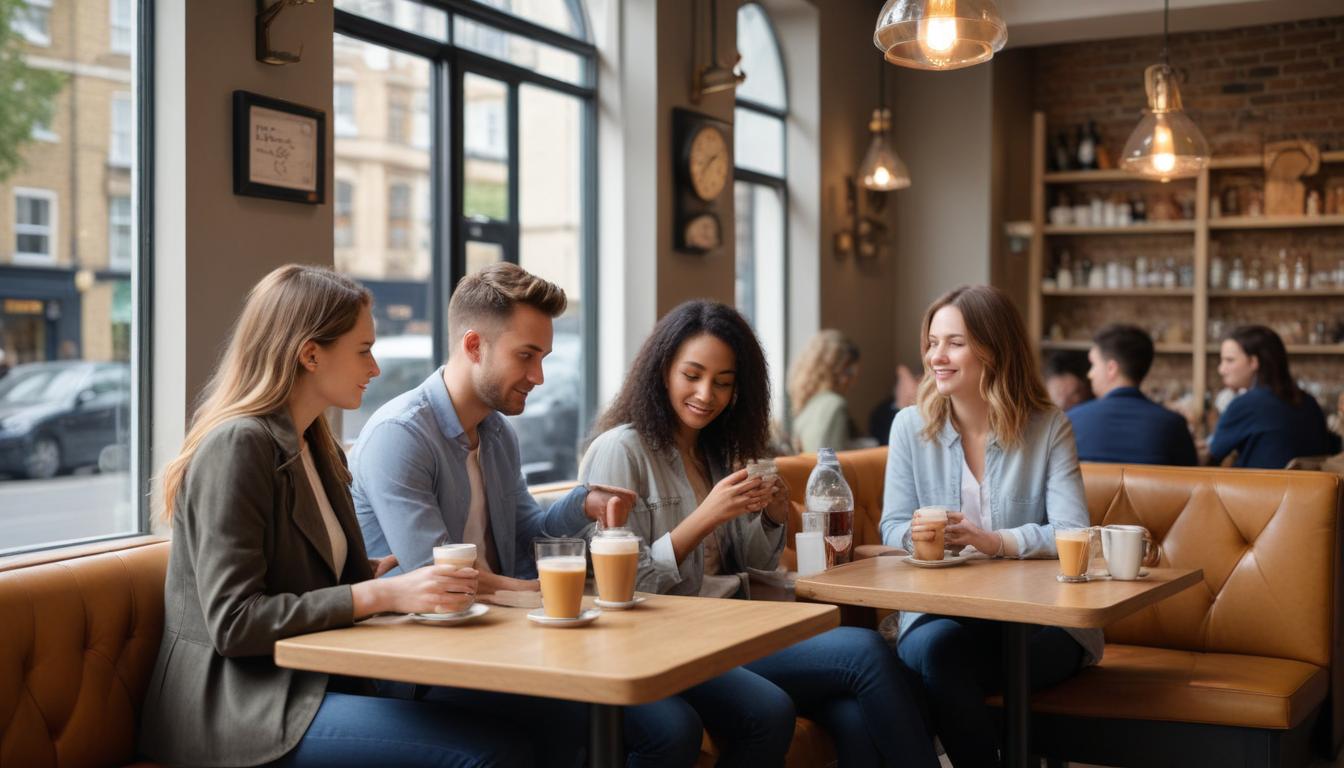
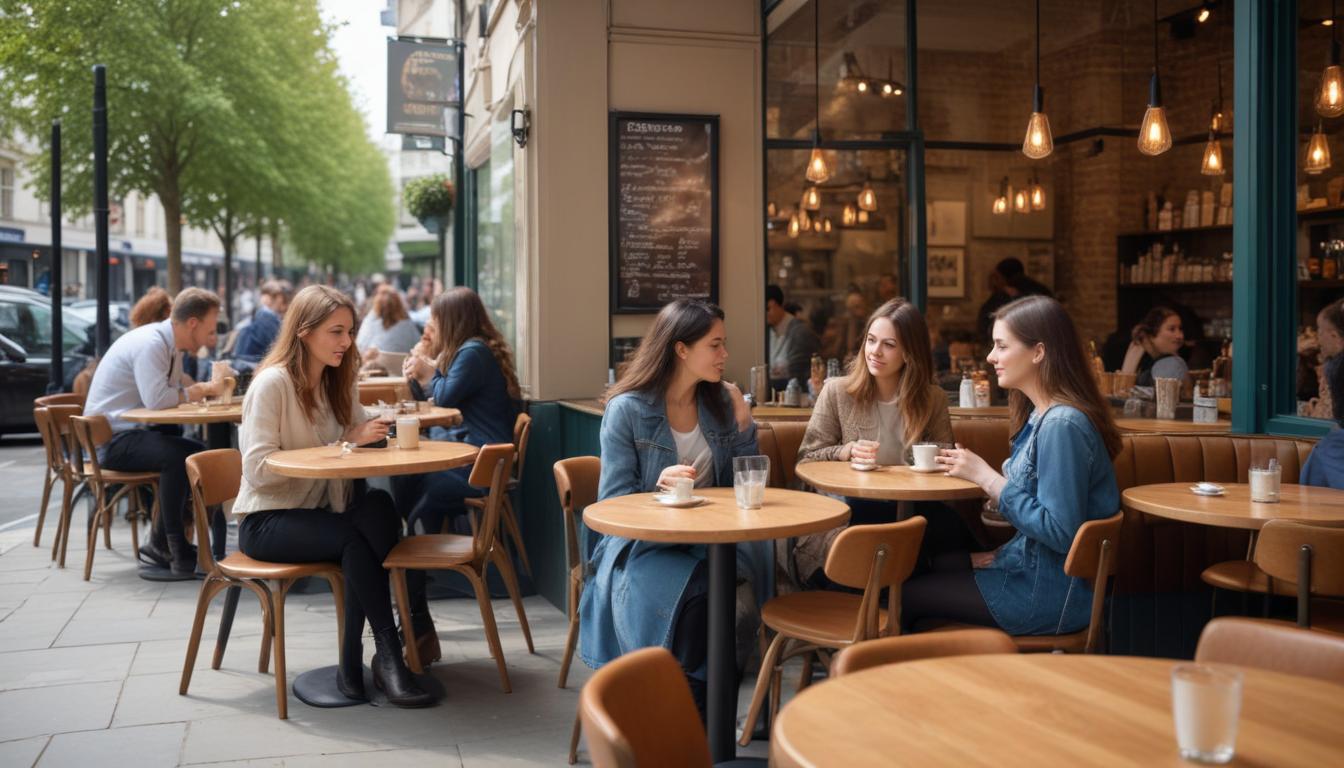
Five years ago, Dalston was a neighbourhood many Londoners avoided after dark. Today, it's impossible to walk down Kingsland Road on a Friday evening without bumping into young professionals, artists, and families treating it as their living room. The change isn't driven by corporate investment or celebrity-backed ventures—it's something far more interesting: genuine community momentum.
The catalyst came when three things aligned. First, the completion of the Gillett Square renovation in 2023 transformed a scrappy car park into a proper public plaza. Now, locals actually gather there. The Dalston Eastern Curve Railway Garden, a community-run project on a disused railway line, expanded its operations and won a 2025 sustainability award. These weren't imposed top-down; they emerged from resident action groups that had been fighting for better spaces since the early 2020s.
Property prices tell part of the story. A one-bedroom flat that cost £380,000 in 2019 now averages £475,000—significant growth, but far below Hackney Central or Homerton. This sweet spot means young families aren't completely priced out, yet it's attractive enough for genuine investment in community spaces rather than speculative property flipping.
The independent business ecosystem has deepened too. Ridley Road Market, the historic heart of Dalston, has rebounded after years of decline. Stall numbers are up 23% since 2022, according to the Dalston CLR James Library's recent community survey. New independent cafés like Mouse & De Lotz and Hackney Roastery aren't trying to be Soho—they're consciously local, often run by residents who've lived here for decades.
What really sets Dalston apart from neighbouring gentrification hotspots is the intentional diversity preservation. The Dalston Community Forum, established in 2020, actively monitors displacement risk. Local estate agents report the community pushback is real; property developers face genuine scrutiny, not token consultation. Several proposed luxury developments have been substantially modified or abandoned after community pressure.
The neighbourhood's cultural institutions matter enormously too. Round Chapel remains a vital independent venue, and Clissold Park draws families from across North London. These aren't Instagram-ready attractions—they're functioning community infrastructure that actually works.
Most tellingly, the people moving to Dalston now often say the same thing: they want to be somewhere that feels like a real place, not a lifestyle brand. Kingsland Road's mix of Turkish restaurants, Vietnamese grocers, Caribbean takeaways, and experimental galleries still feels authentic because it actually is. That's worth more than gentrification-chic anywhere.
This article was compiled by AI from the sources linked above and screened before publishing. See our editorial standards.