How London Actually Gets Around: Tips and Honest Recommendations from People Who Live It Daily
Forget the guidebooks—here's what seasoned commuters across the capital really do to navigate the city smartly.
3 min read
Updated 2 h ago
Forget the guidebooks—here's what seasoned commuters across the capital really do to navigate the city smartly.
3 min read
Updated 2 h ago
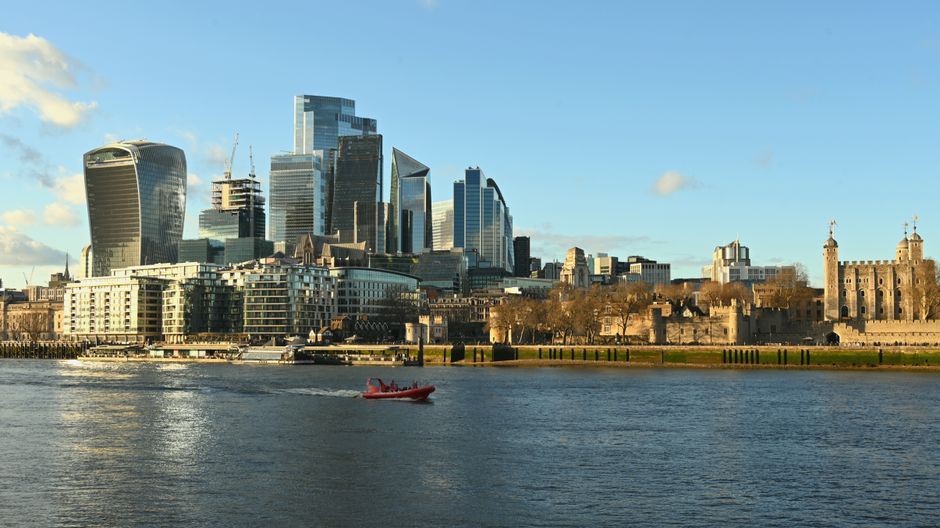
Ask any Londoner how they get around and you'll hear the same refrain: it depends. The city's transport ecosystem is vast enough that no single strategy works for everyone, yet thousands of people crack the code daily by combining methods that suit their neighbourhoods and budgets.
For south London residents commuting to the City, the Jubilee Line remains a lifeline, though timing is everything. Those working near Canary Wharf have discovered that leaving Brixton or Elephant and Castle before 7:45am drastically reduces crowding. The DLR, often overlooked, offers a faster alternative from Greenwich or Stratford—and the views beat the Underground every time. A Zones 1-2 weekly Travelcard costs roughly £35.50, but many commuters find that contactless payment with a daily cap (currently £2.90 in Zone 1) works out cheaper if your schedule is irregular.
Cycling has transformed London's commute culture. The Santander Bikes scheme (now Lime Bikes) launched a decade ago with 6,000 bikes across 750 stations; locals know the docking stations near Waterloo, Victoria, and King's Cross as crucial hubs. A monthly membership at £20 makes sense for regular users, though many prefer the flexibility of e-scooters for the last mile—Shoreditch to Hoxton, or Clapham to Battersea Park, distances where a bus feels inefficient but walking takes 20 minutes.
Night commuters—those working shifts at hospitals, restaurants, or tech offices—swear by Night Buses. The N19, N55, and N38 run through central areas when the Underground closes. It's slower, but predictable, and the £1.75 fare never changes regardless of distance.
Bus routes, dismissed by some as slow, are quietly efficient for lateral journeys. East-west across North London? The 263 from Hampstead to Enfield cuts through neighbourhoods the Tube skips. West End workers often find the 38 (Victoria to Hackney) or 29 (Trafalgar Square to Walthamstow) surprisingly direct, and you can work or read uninterrupted.
The honest truth is that London's transport works best with flexibility. Build in buffer time, have a backup route, and download Citymapper—not for the AI-generated recommendations, but for the real-time data. Check if Transport for London is running engineering works before planning your journey; weekend disruptions on major lines are constant.
The fastest commuters aren't those using one method exclusively. They're the ones who know the 47 bus, the Victoria Line, their bike route via the Quietway cycle paths, and which 15-minute walk beats waiting for a connection. That's how London actually gets around.
This article was compiled by AI from the sources linked above and screened before publishing. See our editorial standards.
About this article
Published by The Daily London
Spread the word
Daily brief
Free, in your inbox before 7am. Weekdays.
The Daily Network — independent news worldwide