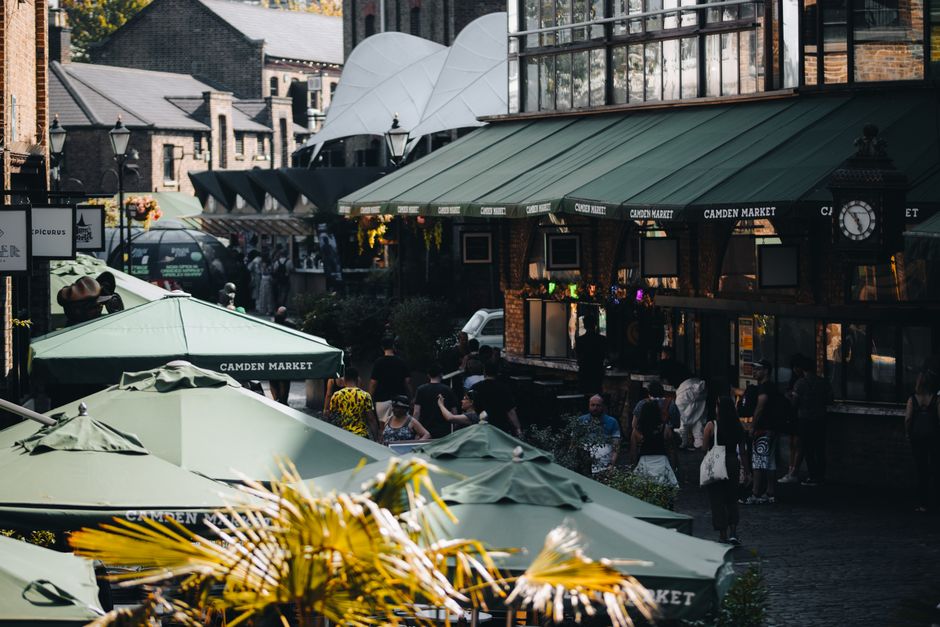
London's markets remain one of the city's greatest pleasures—and most practical shopping solutions. Whether you're after fresh produce, vintage finds, or street food, these spaces offer incomparable value and character that chain retailers simply cannot match.
Start with Borough Market on the South Bank, open Tuesday to Sunday. This 1,000-year-old institution attracts both serious home cooks and casual browsers. Budget £15–25 per person for a proper lunch here, though produce prices remain competitive with supermarkets. The covered sections mean year-round accessibility, a key advantage over weather-dependent outdoor markets.
For vintage clothing and curiosities, Portobello Road in Notting Hill runs Friday through Sunday, with Saturday being peak footfall. Arrive early—around 8am—to secure the best stalls before crowds peak around midday. Prices range from £5 charity finds to premium vintage, so set your budget accordingly.
East London offers excellent alternatives for the younger demographic. Brick Lane Market (Sundays only) draws crowds seeking street style, independent designer pieces, and affordable homewares. Shoreditch High Street market runs weekends and showcases emerging London makers—useful if you're seeking unique gifts or supporting local creatives.
For practical household items and budget shopping, don't overlook the indoor markets. The Leather Lane Market near Farringdon operates Monday to Friday and serves the office worker lunch crowd with competitive food pricing. Meanwhile, Greenwich Market (Wednesday to Sunday) combines antiques, crafts, and food in a neighbourhood worth exploring for its riverside setting and cultural institutions.
Smart shopping requires planning. Most markets accept card payments now, though some stallholders still prefer cash—always have backup funds. Bring reusable bags; single-use plastic is increasingly discouraged. Visit mid-week for quieter experiences, particularly at Borough and Greenwich, where you'll navigate more easily and have better access to stallholders' knowledge.
Seasonal timing matters. Summer months (June through August) see peak opening hours and vendor variety, though winter markets maintain consistent schedules. Christmas markets—operating November through December at locations like Southbank Centre and Old Spitalfields—offer festive shopping with entertainment value included.
London's markets survive because they deliver what residents actually need: competitive pricing, curated selection, and neighbourhood character that justifies the trip. Whether you visit fortnightly for groceries or monthly for treasure hunting, these spaces remain essential London infrastructure worth your time.
This article was compiled by AI from the sources linked above and screened before publishing. See our editorial standards.